Taco Bell managers get DOL guidance on wages, overtime and deductions
The DOL’s restaurant rules are the line between a clean paycheck and a wage claim. For Taco Bell, the biggest risks are overtime, off-the-clock work and illegal deductions.

The baseline every Taco Bell manager needs
The cleanest way to read the Labor Department’s restaurant guidance is as a paycheck-pressure checklist. If you run shifts at Taco Bell, the rules around minimum wage, overtime, and deductions are not abstract compliance language, they are the guardrails around how prep time, closing work, cash handling, and payroll actually get paid.
The U.S. Department of Labor says restaurant and fast-food businesses are covered by the Fair Labor Standards Act when annual gross sales from one or more establishments total at least $500,000, and workers can also be covered individually if they handle goods in interstate commerce. For covered nonexempt employees, the federal floor is $7.25 an hour, wages are due on the regular payday for the covered pay period, and overtime is generally time-and-a-half for hours worked over 40 in a workweek. Employees age 16 and older have no federal cap on weekly hours, but that does not cancel overtime obligations.
That matters in the everyday Taco Bell rhythm, where labor gets stretched by rushes, call-outs, late deliveries, and manager coverage gaps. The legal question is not whether the store was busy enough to justify extra work. It is whether every hour worked showed up on the clock and every hour over 40 was paid at the right rate.
Where routine store practices cross the line
The Labor Department’s guidance is especially useful because it calls out the kinds of deductions that can seem ordinary in a fast-food store but become illegal fast. Cash shortages, employer-required uniforms, tools, and customer walk-outs cannot be pushed onto workers if the deduction would drop pay below minimum wage or reduce overtime due. A separate wage-deductions fact sheet says the same thing about uniforms and other facilities, which reinforces the core point: a store cannot shift ordinary business losses onto crew members if doing so breaks wage law.
That is where Taco Bell managers need to slow down and check the numbers before payroll runs. A deduction that looks small on paper can matter a lot when someone is already near the federal minimum wage or logging overtime. If a manager docks pay for a register shortage, a missing shirt, or a guest who leaves without paying, the question is not whether the store absorbed a loss. The question is whether the worker’s wages were unlawfully cut.
A practical store-level audit usually comes back to a few red flags:
- off-the-clock prep or closing work that never makes it onto the timecard
- edits to timecards before payroll that reduce hours already worked
- deductions for uniforms, cash shortages, or tools that eat into minimum wage or overtime
- payroll timing that misses the regular payday for the covered pay period
Those are the kinds of issues that can turn a routine shift into a wage claim.
Why overtime keeps becoming the flashpoint
Overtime is the most common pressure point because restaurant schedules are built to flex. Shift managers may ask crew to stay late, come in early, or cover another station, and assistant managers often end up doing a mix of hourly and supervisory work that blurs the line between routine scheduling and extra unpaid time. The federal rule is simple: if the worker is covered and nonexempt, hours over 40 in a workweek trigger time-and-a-half.
That is not just theory at Taco Bell. In July 2022, the Labor Department said it recovered $56,900 for 31 assistant general managers at six Taco Bell franchise locations in North Carolina after finding overtime violations. The locations were in New Bern, Beaufort, Havelock, James City, Morehead City, and Washington, which is a reminder that these problems can spread across a franchise group rather than stay confined to one store.
The North Carolina case also highlights the franchise reality inside fast food. A wage problem can start as a store-level scheduling decision, but the liability often lands with franchise operators who control the payroll system, the timekeeping practices, and the day-to-day decisions that decide who gets paid for what. For managers, that means overtime is not something to “balance out later.” If the hours were worked, they need to be counted now.
The Iowa case shows how timecard edits become wage theft
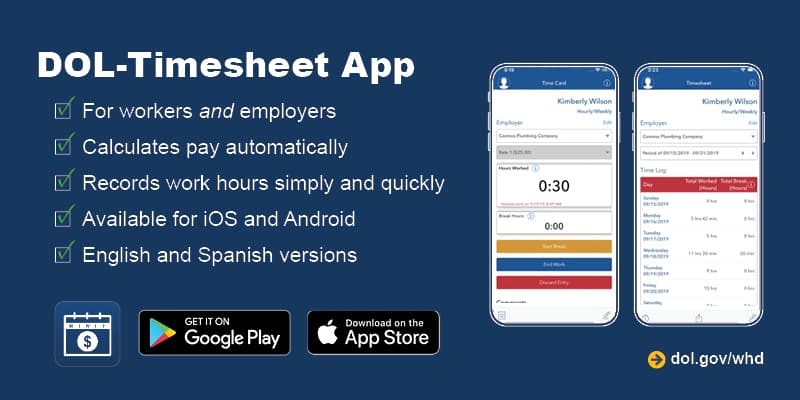
The Labor Department’s April 2023 action in Iowa is even more direct. The agency said it recovered $22,744 in back wages and liquidated damages for 12 employees at a Taco Bell in Des Moines after a general manager improperly reduced timecard hours before payroll processing. That kind of edit is the fast-food version of a compliance baseline failure: the work happened, but the pay record was cut down before the paycheck went out.
For crew members, this is the most immediate takeaway from the DOL guidance: if your hours are trimmed, your first alarm should be whether the store is recording all time worked, not just the time it wants to pay. For shift managers and restaurant managers, the lesson is the opposite side of the same coin. Timecards are not a place to “clean up” labor costs by trimming inconvenient minutes. If the work was performed, it belongs in the record.
The Iowa recovery also shows why wage-and-hour disputes can feel so personal in a store setting. A manager may think a few minutes here and there are harmless. In practice, those minutes can add up across a week, across a crew, and across liquidated damages. Once that happens, the cost is no longer just a payroll correction. It becomes a legal recovery.
Tips, wages and the Taco Bell reality
Taco Bell is not generally a tipped dining format, so the tipped-worker section of the Labor Department’s guidance is not the centerpiece for most stores. Still, the rule is worth knowing because it reflects how the agency defines a tipped employee and how a tip credit has to work if it is used in a covered setting. Under current DOL guidance, a tipped employee customarily and regularly receives more than $30 a month in tips, and any employer claiming a tip credit still has to make sure the worker receives at least the minimum wage and overtime compensation required by the FLSA.
That matters because wage rules often travel across restaurant categories, even when the service model is different. Taco Bell’s value-priced, high-volume, counter-service format does not depend on tipped dining in the way a full-service restaurant does, but managers still need to understand the broader wage framework because payroll systems, franchise templates, and labor vendors often reuse the same logic across brands. The safe habit is not to assume a tip policy or deduction practice from another restaurant automatically fits here.
Why the Supreme Court case still hangs over these disputes
Taco Bell wage fights have also made their way into broader labor law. On May 23, 2022, the United States Supreme Court unanimously ruled in Morgan v. Sundance, a Taco Bell-related arbitration dispute tied to Robyn Morgan’s overtime fight. The case is often remembered because it helped keep the wage dispute in court rather than sending it to arbitration immediately.
That history matters for one reason: Taco Bell is not just another brand in labor law discussions. Its wage disputes have become reference points in how courts, employers, and workers think about overtime, arbitration, and access to remedies. When a fast-food case reaches the Supreme Court, it signals that the issues on the line are bigger than one schedule, one manager, or one bad payroll run.
The real compliance baseline
The Labor Department’s restaurant toolkit puts child labor compliance alongside wage, overtime, recordkeeping, and tip issues for a reason. In a Taco Bell store, those problems overlap fast. A younger worker can be on the schedule, a manager may be covering a short-staffed rush, and payroll may already be under pressure to keep labor costs in line. That is exactly when mistakes happen.
For Taco Bell crew members, the DOL guidance is the cleanest backstop against getting saddled with store losses or unpaid time. For managers, it is the line between a smooth operation and a violation. And for franchise operators, the message is blunt: if the store is shaving hours, docking uniforms, or miscounting overtime, the problem is not culture. It is pay.
Know something we missed? Have a correction or additional information?
Submit a Tip