Taco Bell Tuesday Drops drive app traffic and rush store demand
Taco Bell’s Tuesday Drops are a weekly app-driven rush that can spike orders, strain the line, and change how managers staff Tuesday shifts.

Taco Bell’s Tuesday Drops are not just a marketing trick. They are a predictable weekly demand event, and if you run a shift, they change how you staff, prep, and pace the whole store.
What Tuesday Drops actually do to the shift
The mechanics are simple enough to matter operationally. Taco Bell says Tuesday Drops are app-only, first-come, first-served, and surfaced in the Taco Bell app every Tuesday at 2 PM Pacific Time. Guests claim the offer in the app, and food-item Drops are then redeemed through the Rewards tab, with checkout required by 11:59 PM PT to lock in the price. That means the rush is not random. It hits at a known minute, which is exactly why shift leads and restaurant managers need to treat it like a scheduled surge rather than a normal promo.
The pressure comes from concentration. Instead of orders spreading across the day, the app can funnel a burst of Rewards members into the same short window, all trying to claim the same item before it disappears. Taco Bell’s help center also says some claimed food items can be scheduled for later pickup, which helps a little on flow, but it does not remove the front-end demand spike that hits the app, the make-line, and the handoff area.
Why the app offer turns into store work
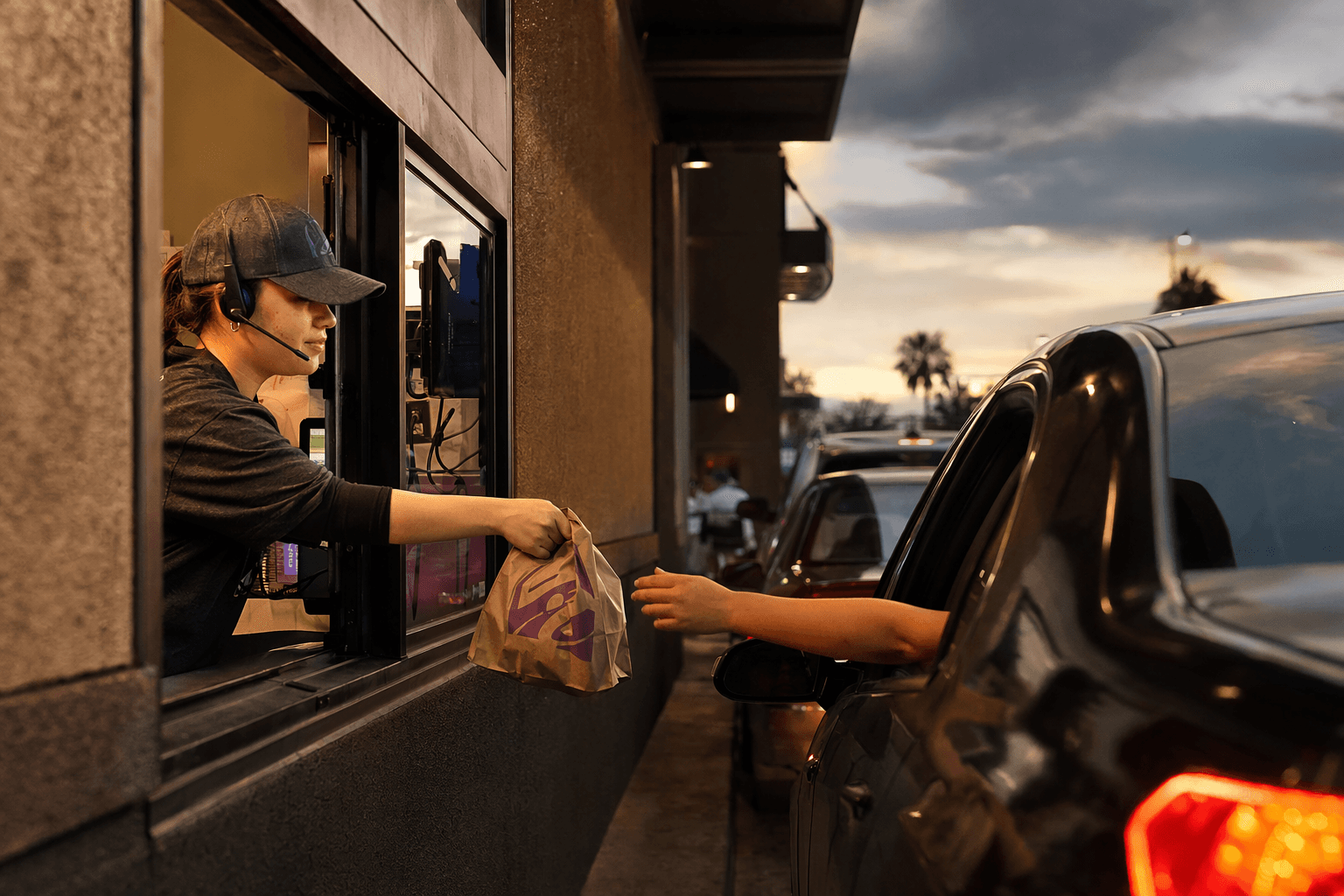
A guest-facing deal becomes in-store workload fast. Once a Drop goes live, the restaurant has to absorb digital traffic, kitchen production, and customer expectation at the same time. If the offer is a food item, it can increase fryer load, slow the line if prep is thin, and create more pressure on drive-thru timing because guests expect the app deal to move as smoothly as a regular order.
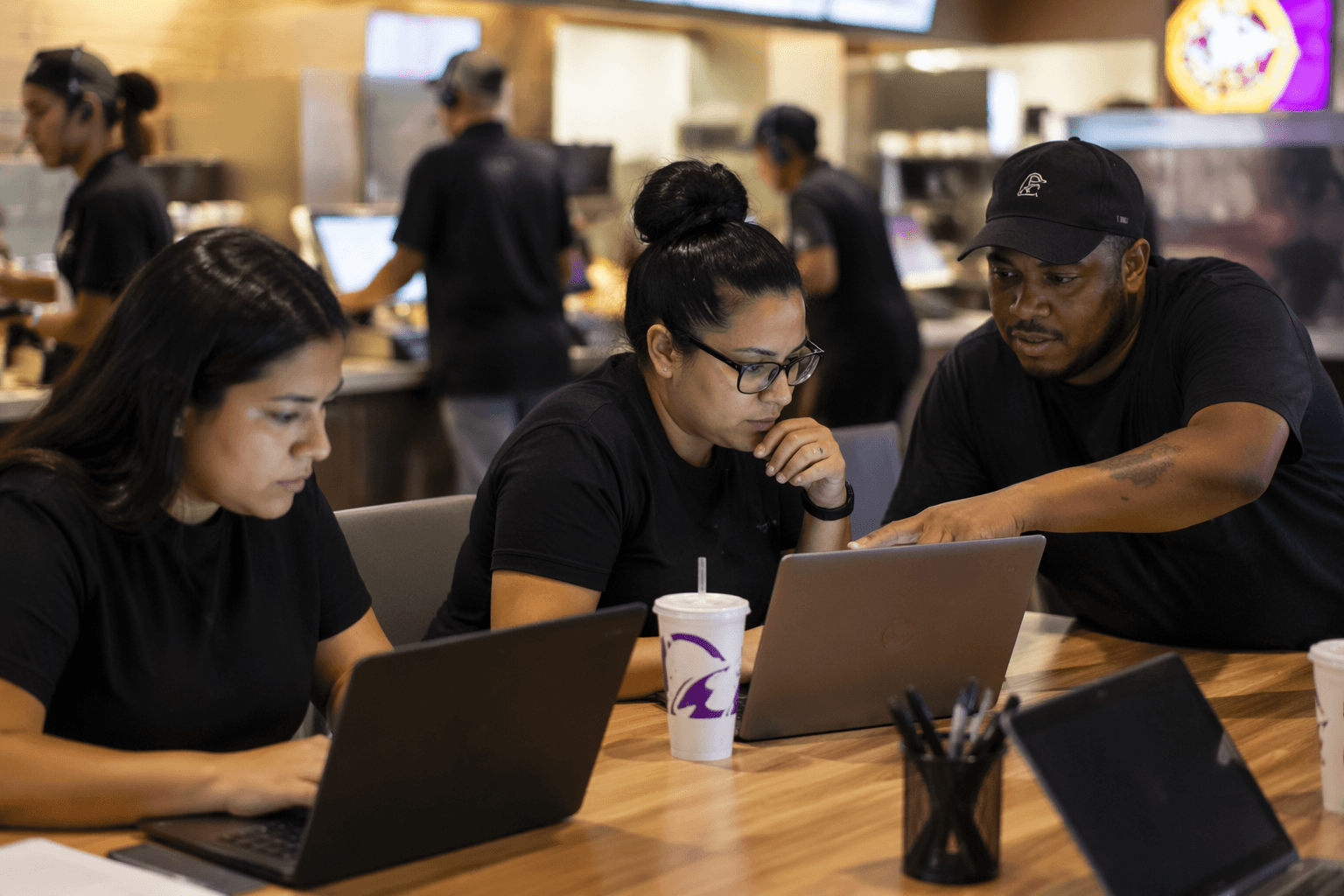
That is why station mapping matters. A good Tuesday plan decides in advance who handles front counter, who watches drive-thru, who backs up the make-line, and who keeps an eye on handoff accuracy when the digital wave peaks. The danger is not just volume. It is the mismatch between a short-lived app promotion and an unprepared shift layout. If the offer lands and nobody has been assigned to cover the extra build steps, the promo can throw off ticket times for the rest of the day.
The May 5 nugget Drop shows how sharp the spike can be
Taco Bell’s April 9 newsroom post gave a clear example of the scale. On May 5 at 2 PM PT, the first 30,000 Taco Bell Rewards members could get a five-piece order of Diablo Dusted Crispy Chicken Nuggets for $1. Taco Bell said the offer was limited to participating locations and available while supplies last. An external deal guide repeated the same timing and cap, which reinforces how tightly these promotions are controlled.
For store teams, that kind of Drop is a real operations problem as much as a customer acquisition tactic. A capped offer sounds limited on paper, but the first-come, first-served structure means the most intense pressure lands immediately, when the app alert goes out and members rush to claim before the cap is gone. The order cap protects the company from endless discount volume, but it does not protect the shift from a fast, concentrated burst of labor.
What managers should plan before 2 PM PT
The best response is to build the Tuesday plan around the Drop window, not around the hope that it stays manageable. Managers should know which station takes the hit first, which crew member can flex to support order entry or handoff, and how the line will be protected if the Drop item requires extra steps. The offer may be app-only, but the consequence is physical: more checks, more builds, more timing pressure, and more chances for a small mistake to snowball into a backlog.
A practical Tuesday checklist looks like this:
- Confirm the Drop item and the exact start time, which Taco Bell says is 2 PM PT.
- Know whether the item can be scheduled for later pickup, since that may shift demand instead of eliminating it.
- Make sure the team understands that food-item Drops are redeemed through the Rewards tab and must be checked out in the app by 11:59 PM PT.
- Prepare for a front-loaded rush, not a steady trickle.
- Assign backup to the station most likely to slow down, especially if the item adds fryer or assembly pressure.
That kind of planning matters because Tuesday Drops are recurring. This is not a one-off event you can ignore after one busy day. It is a weekly rhythm that changes how Tuesday feels, and the stores that treat it like a known labor spike will be better positioned than the ones that improvise once the app traffic starts.
Why Taco Bell keeps leaning on app-only drops
The company’s broader strategy explains why Tuesday Drops keep showing up. In March 2025, Taco Bell said its plan included enabling 100% of transactions through digital platforms and making Taco Bell Rewards the most loved loyalty program. That tells you Tuesday Drops are not a side project. They are part of Taco Bell’s digital-growth play, aimed at getting guests into the app more often and making loyalty behavior habitual.
The company has already seen how app-only value can change guest behavior. Industry coverage of Taco Bell’s Taco Pass said the program tripled visitation among purchasers and increased Rewards membership by 20%. That matters for stores because it shows the chain is not just chasing downloads. It is trying to reshape traffic patterns, push repeat visits, and make the app a central part of how guests order. For workers, that means the digital front door is now part of the labor model.
How crews hear about a Drop and why that matters
Taco Bell says certain Tuesday Drop winners get an email from Taco Bell, TuesdayDrops@tacobell.com, or tacobell@dja.com when they secure eligible drop items or experiences. That is another sign that the promotion lives across app, email, and store operations at once. The guest may see it as a reward, but the team experiences it as a coordinated wave of claims, redemptions, and pickup timing.
The key takeaway for shift leads is straightforward: Tuesday Drops are now part of the normal Tuesday workload. They can affect labor deployment, mobile make-line prep, fryer capacity, handoff accuracy, and the speed guests expect from the entire restaurant. The stores that plan for the app rush instead of reacting to it will keep more control over the shift, and in a business built on seconds and consistency, that control is the real prize.
This article was produced by Prism’s automated news system from verified source data, official records, and press releases, then run through automated quality and moderation checks before publishing. The system is built and supervised by the people who set the standards it runs under. Read our full AI policy.
Did this article answer your question?