Retail layoffs ease as Target tracks slower hiring than openings
Openings climbed to 7.6 million in April even as hires slipped, and retail layoffs fell. For Target, that points to slower filling, not a solved staffing problem.
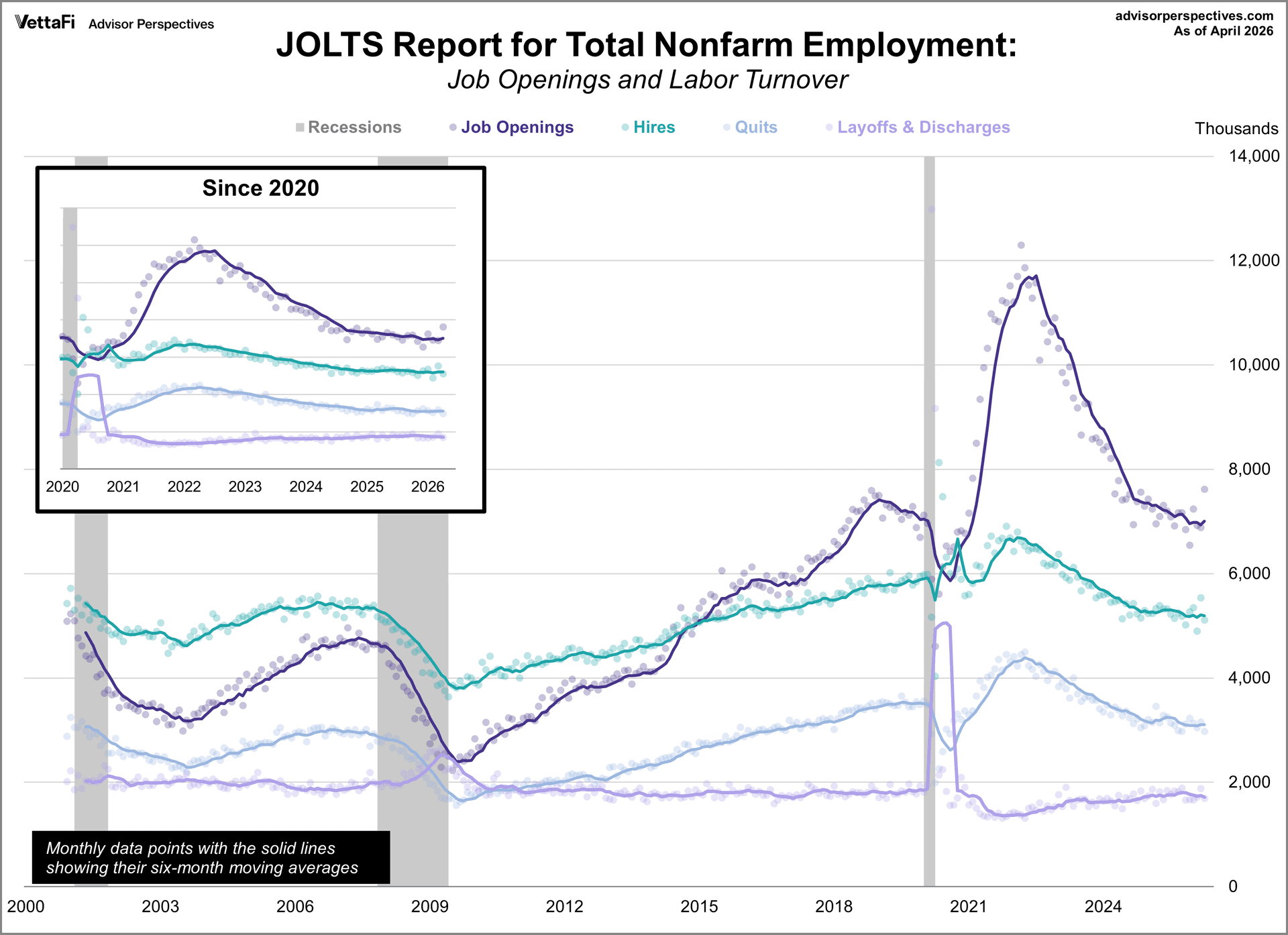
Fewer workers were pushed out of retail jobs in April, but stores were still filling openings more slowly than those jobs appeared. That is the signal Target leaders should read in the latest labor-turnover data: staffing pain is changing shape, not disappearing.
The U.S. Bureau of Labor Statistics said April 2026 job openings rose to 7.6 million, while hires fell to 5.1 million and total separations fell to 5.0 million. Quits held at 3.0 million and layoffs and discharges were 1.7 million, both little changed overall. The release, published June 2, 2026, showed a labor market where demand for workers stayed high, but employers did not convert openings into hires at the same pace.
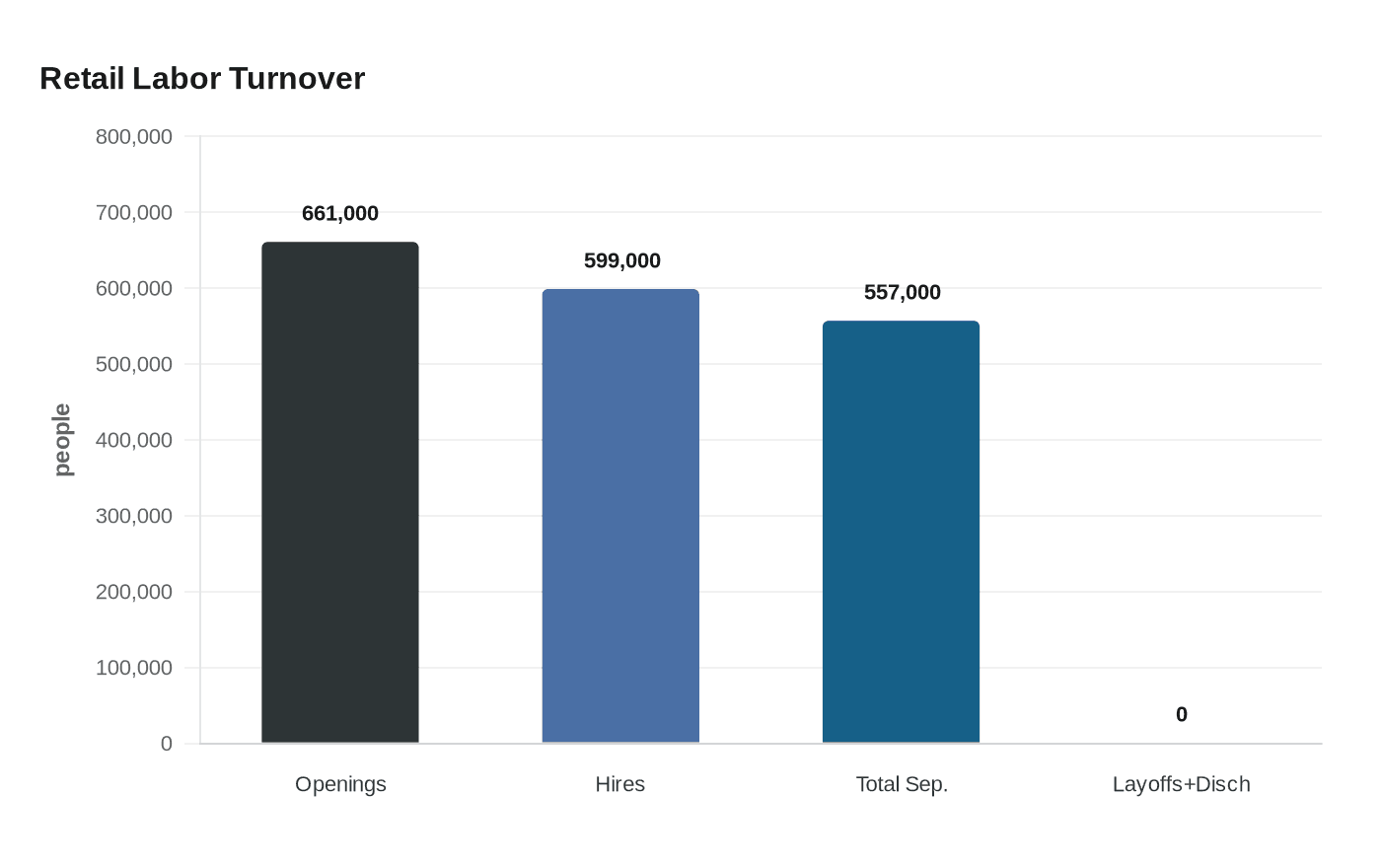
The retail split matters most for Target. In retail trade, job openings were 661,000 in April, while hires came in at 599,000 and total separations at 557,000. Total separations in retail fell by 136,000 from the prior month, and layoffs and discharges fell by 88,000. That means fewer people were leaving retail involuntarily, but it also means managers were operating with a thinner cushion of turnover relief than a broad headline about a healthier labor market might suggest.

For store leaders, that is a practical warning sign. If openings are outpacing hires, a store can still feel short-handed even when layoffs are easing. Schedules get tighter, cross-training matters more, and the pressure to keep reliable team members rises. Quits remain the cleaner sign of worker confidence, while layoffs and discharges show how aggressively companies are adjusting headcount. In retail, lower separations can signal a steadier workforce, but they can also reflect managers being careful about who they can afford to lose.
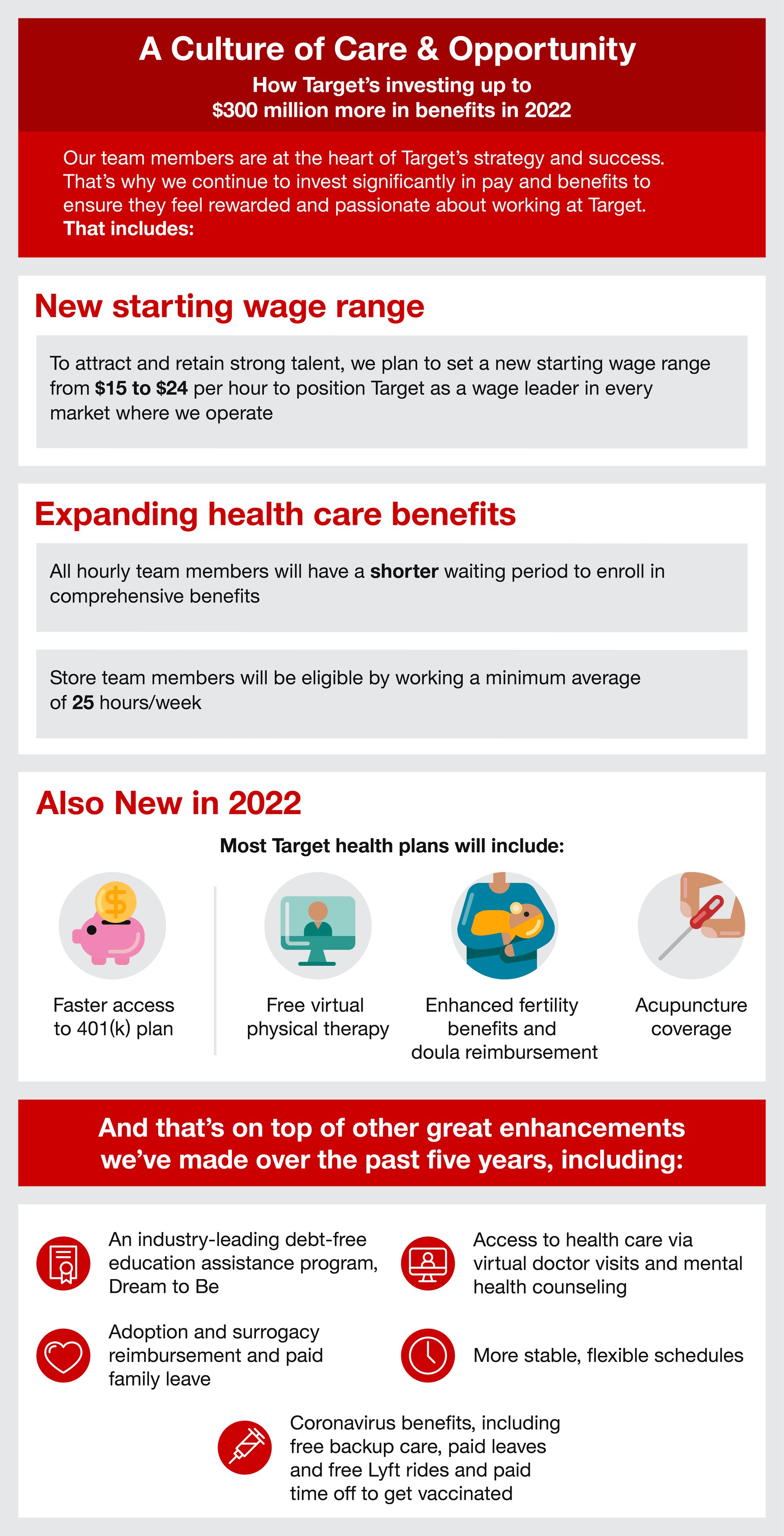
Target has been preparing for that reality for years. The company said hourly team members in stores and supply chain facilities start at $15 to $24 an hour, depending on role and location. It first set a $15 starting wage in 2017 and widened the range in 2022. In its 2025 annual report, Target said it would continue investing in pay, benefits and training. In March 2026, it said it planned an incremental $1 billion operating investment this year, including hundreds of millions of dollars in additional store payroll and training.
That investment lands in a business that still depends heavily on the sales floor. Target said it employed about 440,000 full-time, part-time and seasonal team members as of February 1, 2025, and its stores fulfilled more than 97% of total merchandise sales in each of the last three years. If hiring slows while openings remain elevated, the strain shows up first in stores, where retention and internal mobility become as important as the next requisition.
This article was produced by Prism’s automated news system from verified source data, official records, and press releases, then run through automated quality and moderation checks before publishing. The system is built and supervised by the people who set the standards it runs under. Read our full AI policy.
Know something we missed? Have a correction or additional information?
Submit a Tip