Target hiring conditions vary widely as metro job markets diverge
Target’s labor puzzle now looks different in every metro: April jobless rates ranged from 1.7% in Rapid City and Sioux Falls to 8.1% in Fresno.
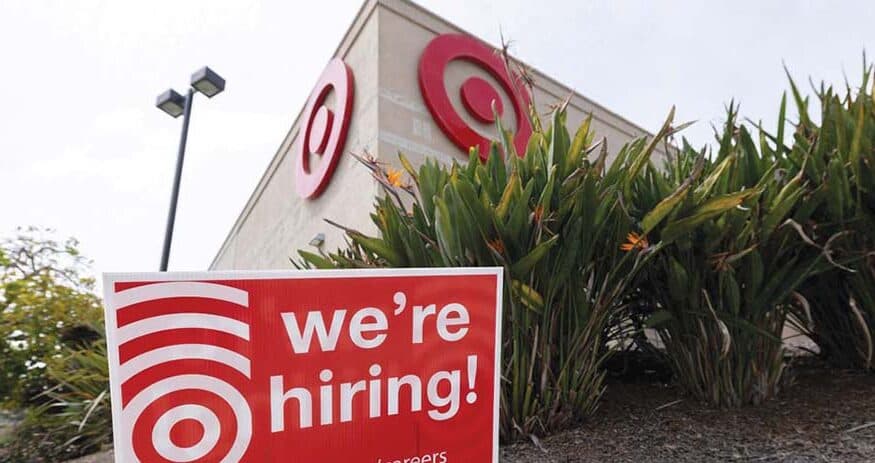
Target’s hiring picture no longer moves in one line. In April 2026, unemployment was higher than a year earlier in 200 of 387 metro areas, lower in 152 and unchanged in 35, while payrolls increased in just four metros and fell in four. The Bureau of Labor Statistics also said 70 metros had jobless rates below 3.0% and eight had rates of at least 8.0%.
That spread matters inside Target stores because labor is not scarce or abundant in the same way everywhere. In places like Rapid City, South Dakota, and Sioux Falls, South Dakota-Minnesota, where unemployment was 1.7%, Target is likely competing for workers in a tighter market, where other employers can also pull from a limited pool. In Fresno, California, where the metro unemployment rate reached 8.1%, the company may see more applicants, but workers may have fewer outside options and a different kind of leverage over schedules, hours and job changes. The largest year-over-year unemployment-rate declines the BLS listed were in Sandusky, Ohio; Kokomo, Indiana; Eagle Pass, Texas; Mansfield, Ohio; and Toledo, Ohio, a reminder that even neighboring markets can move in different directions.

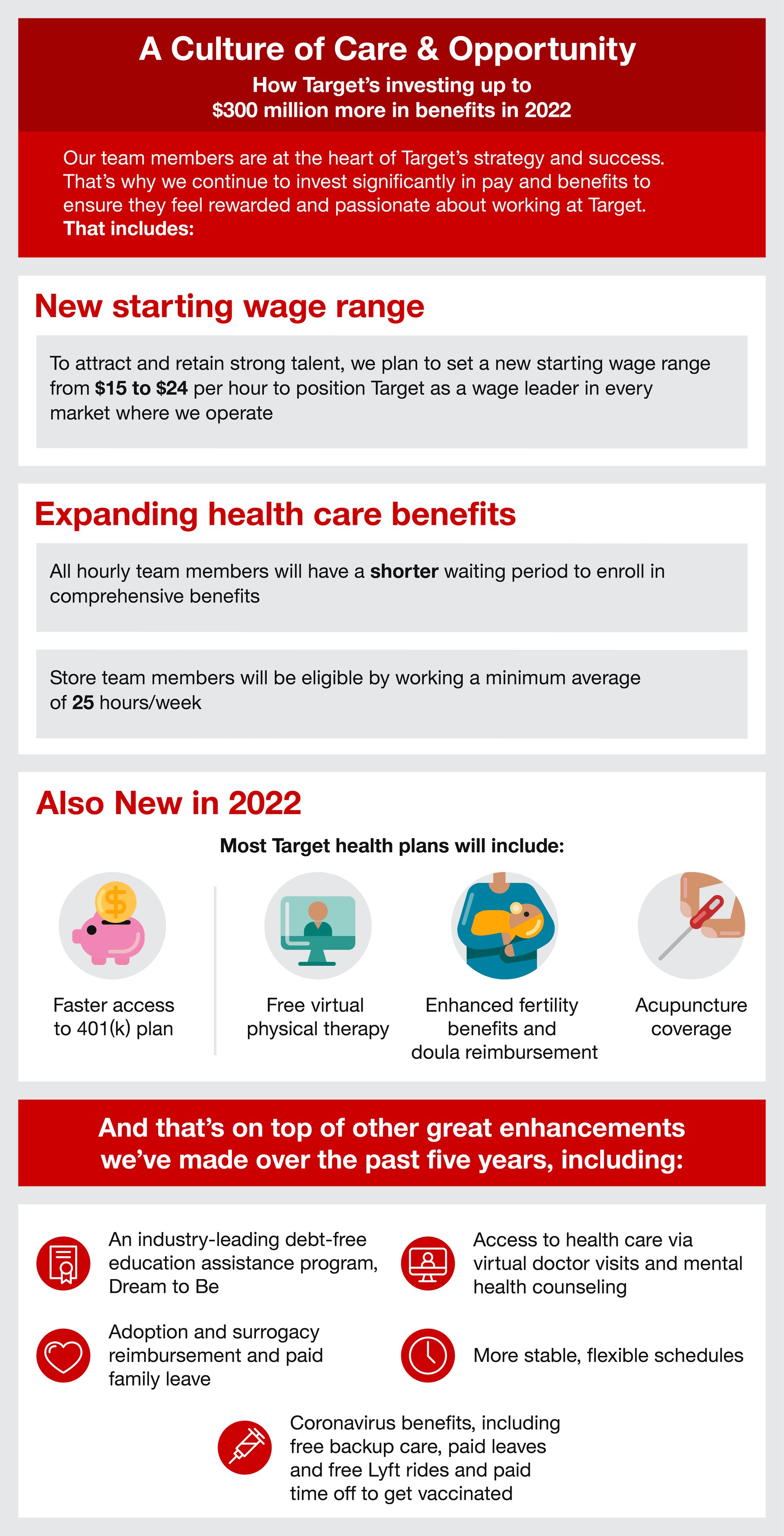
Target’s own hiring setup is built around that local variation. Its careers site recruits by location, lets applicants search by city or zip code, and says some applications require work-availability information. Current team members are directed to Workday Career Hub, which underscores how much internal mobility matters when a store cannot find enough outside candidates fast enough. Target also said in its 2025 annual report that U.S. hourly team members in stores and supply chain facilities have a starting wage range of $15 to $24 an hour, as the company keeps pushing in-stocks, fast fulfillment and store training and support.
That local lens becomes even more important as Target opens several new stores in 2026, including sites in Perris, California; Logan, Utah; Springfield East, Massachusetts; Frankfort, Kentucky; Forney and Little Elm, Texas; Mesa, Arizona; and Jersey City, New Jersey. Those openings will land in metro markets with very different labor conditions, from places where unemployment is near 2% to places where the pool of job seekers is deeper but outside opportunities are thinner.
For team members, that means the same Target badge can come with different realities depending on the metro: more competition for hours in one market, more bargaining power in another, and a very different path to promotion or transfer. For team leads and executive team leaders, the message is just as blunt: staffing is now a local labor-market story, and local labor markets are drifting farther apart.
This article was produced by Prism’s automated news system from verified source data, official records, and press releases, then run through automated quality and moderation checks before publishing. The system is built and supervised by the people who set the standards it runs under. Read our full AI policy.
Know something we missed? Have a correction or additional information?
Submit a Tip