Target opens massive Colorado food hub to speed store replenishment
Target’s new Thornton food hub can shave one to two days off farm-to-shelf timing, a change store teams may feel first in backrooms and on shelves.
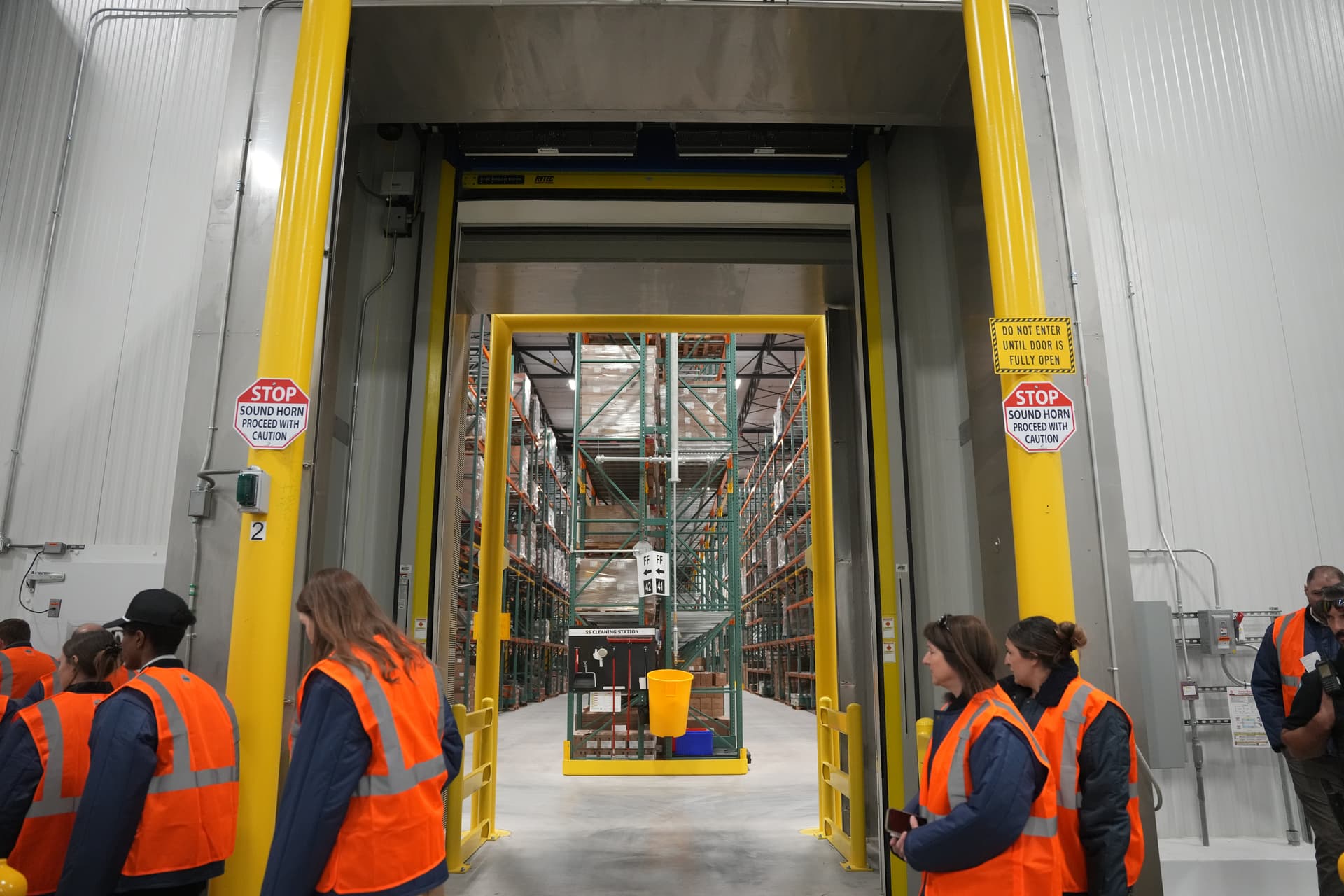
Store execution starts upstream, and Target just put a bigger piece of that work in Thornton, Colorado. The company’s new 529,000-square-foot food distribution center is built to move fresh, frozen and pantry goods faster to 129 stores across 11 states, a change that should show up first in in-stock levels, delivery rhythm and the pressure on store receiving teams.
Target said the facility is its ninth food distribution center and its first with consolidation capabilities. That means separate vendor shipments can be combined into full truckloads, a move Target said is designed to cut transportation volume and cost, streamline arrivals and make unloads more efficient for team members. The company also said the center can reduce lead time from farm to shelf by one to two days, which matters in food retail where freshness, order accuracy and timing can determine whether a store looks sharp or looks like it is chasing freight.
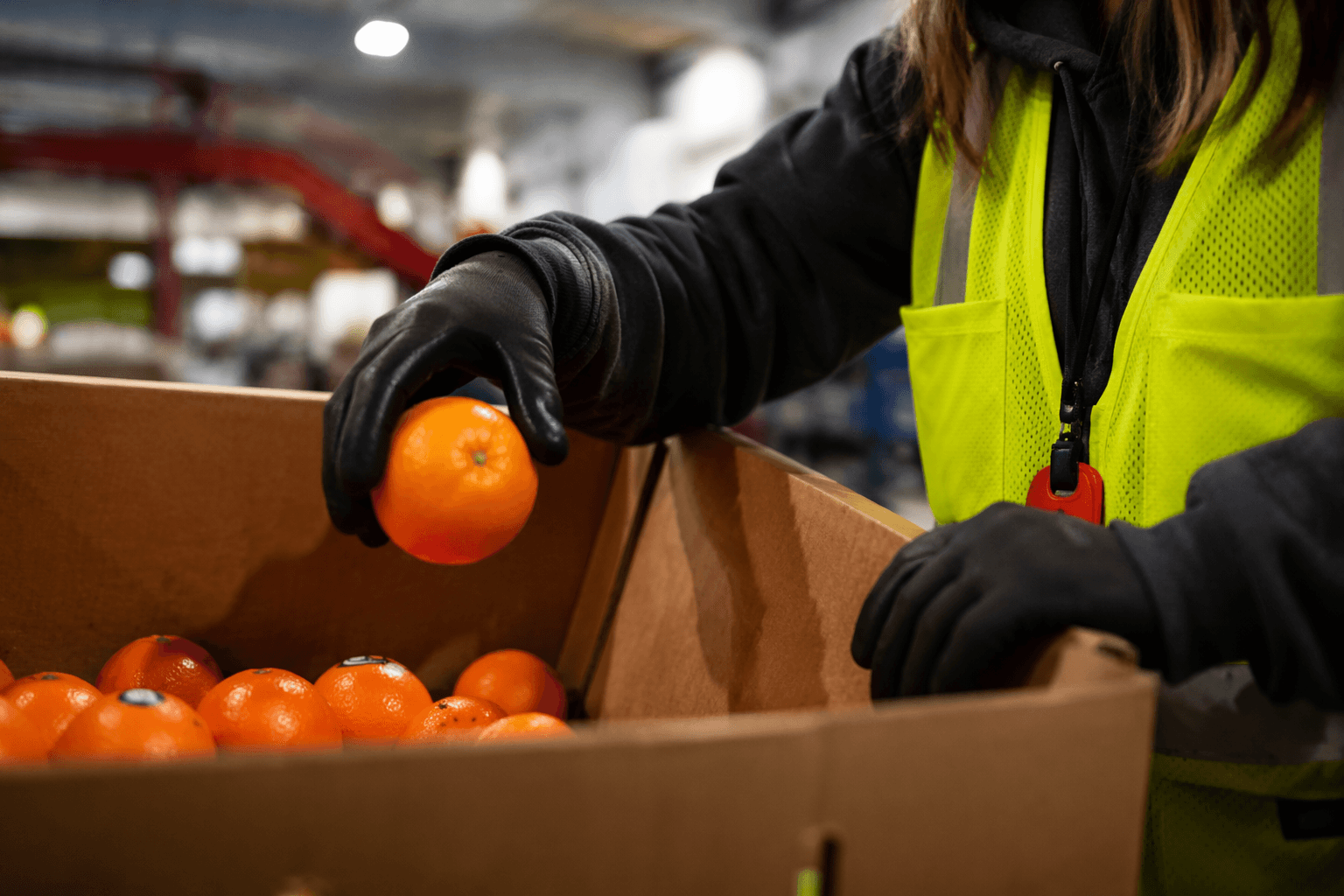
For store leaders, the Thornton hub raises the stakes on execution without removing the old problems. Better replenishment can ease backroom congestion, but only if forecasting is tight, receiving stays clean and teams keep presentation and guest service in sync with what is actually arriving. That is especially important in food, where a late truck or a missed replenishment can quickly turn into an awkward guest conversation about why an item is out of stock. The center is expected to employ 383 people when fully staffed, adding another layer of labor demand in the region even as it supports stores farther out in the Mountain West.
The investment fits Target’s broader push into food and beverage, a category that has become a bigger part of the business as guests make more frequent convenience and grocery trips. In first-quarter 2026, Target said food and beverage sales rose more than 6% year over year and now account for about 25% of sales. The retailer also said it added about 3,000 new food and beverage products in the quarter, and executives described food as the middle of Target’s “largest transition in over a decade,” with nearly half of center-store grocery being reset and newness accelerating by nearly 50%.

Target has also been spending more heavily on the infrastructure behind that strategy. In March 2026, the company said it planned to lift capital spending to about $5 billion this year, with more than $1 billion in additional investment aimed at stores, technology and supply chain. The Thornton site fits that pattern and a long Colorado history too: Target opened its first store outside Minnesota in Denver in 1966. For workers, the message is clear. The store floor may be where guests notice the difference, but the pressure to deliver it starts miles away at the dock.
This article was produced by Prism’s automated news system from verified source data, official records, and press releases, then run through automated quality and moderation checks before publishing. The system is built and supervised by the people who set the standards it runs under. Read our full AI policy.
Know something we missed? Have a correction or additional information?
Submit a Tip