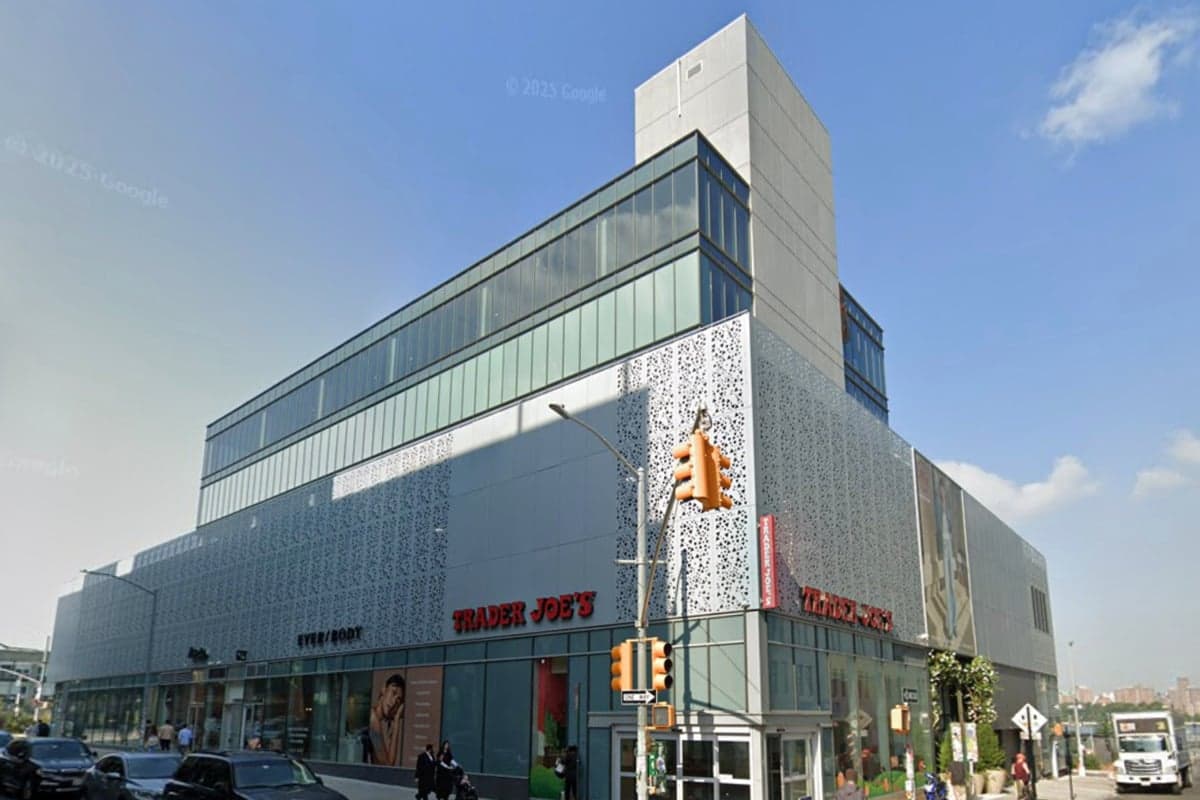
Aldi to cut 57 ingredients, spotlighting Trader Joe's private-label strategy
Aldi will strip 57 ingredients from its private-label line by 2027, sharpening the pressure on Trader Joe’s, where more than 80% of sales already come from house brands.
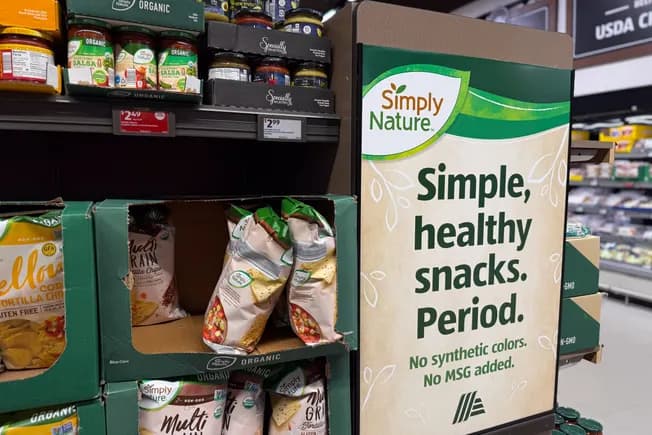
Aldi’s decision to remove 44 more ingredients from its private-label food, vitamin and supplement assortment raises a familiar question inside Trader Joe’s: how much cleaner can a store brand get before it becomes the brand?
By December 2027, Aldi says its own-label line will have dropped a total of 57 ingredients, up from 13 it had already removed more than a decade ago. The chain said it will phase in the reformulations through 2027, keep prices at the low levels shoppers expect and update packaging so the ingredient changes are visible on shelf. Aldi also said it was one of the first national grocers to remove certified synthetic colors from all ALDI-exclusive products.
That matters for Trader Joe’s because the California chain has built its identity around private label, not national brands. Trader Joe’s says more than 80% of what it sells is private label, and that its buyers travel the world looking for products it considers exceptional. The company also says its products go through a rigorous tasting-panel process before they carry the Trader Joe’s name. Its vendor requirements bar artificial flavors, artificial preservatives, MSG, added trans fats, dairy ingredients from rBST sources and genetically modified ingredients, while colors must come from naturally available products.
The competition is no longer just about price. It is about which store can most credibly claim that its house brand is simpler, cleaner and easier to trust. That shows up most clearly in the categories shoppers inspect first: snack foods, frozen meals, sauces, vitamins and supplements, where the ingredient list is printed right on the front line of the purchase decision. When Aldi publicizes another round of removals, it nudges expectations across the aisle and gives Trader Joe’s another benchmark to defend.
For crew members, that makes the product conversation more pointed on the sales floor. Ingredient lists are not just nutrition facts. They are part of the merchandising pitch, the reason a shopper chooses a Trader Joe’s item over a national brand, and a test of whether the chain’s curation still feels disciplined. Simple labels and familiar ingredients help preserve the value story that has long supported Trader Joe’s above-market pay and fiercely loyal crew culture.
The wider market is making the same point in dollars. Dunnhumby said in 2025 that private labels remained a key driver for grocers even as purchase frequency softened, and the Private Label Manufacturers Association said U.S. shoppers spent just under $283 billion on store-brand products in 2025, up 3.3% from 2024. For Trader Joe’s, the message is clear: the private-label race is getting more sophisticated, and trust is now part of the price war.
Know something we missed? Have a correction or additional information?
Submit a Tip