Algorithmic scheduling raises concerns for Trader Joe's hourly workers
Schedule software can work like an unofficial rulebook, deciding hours, pay and predictability long before any handbook does.
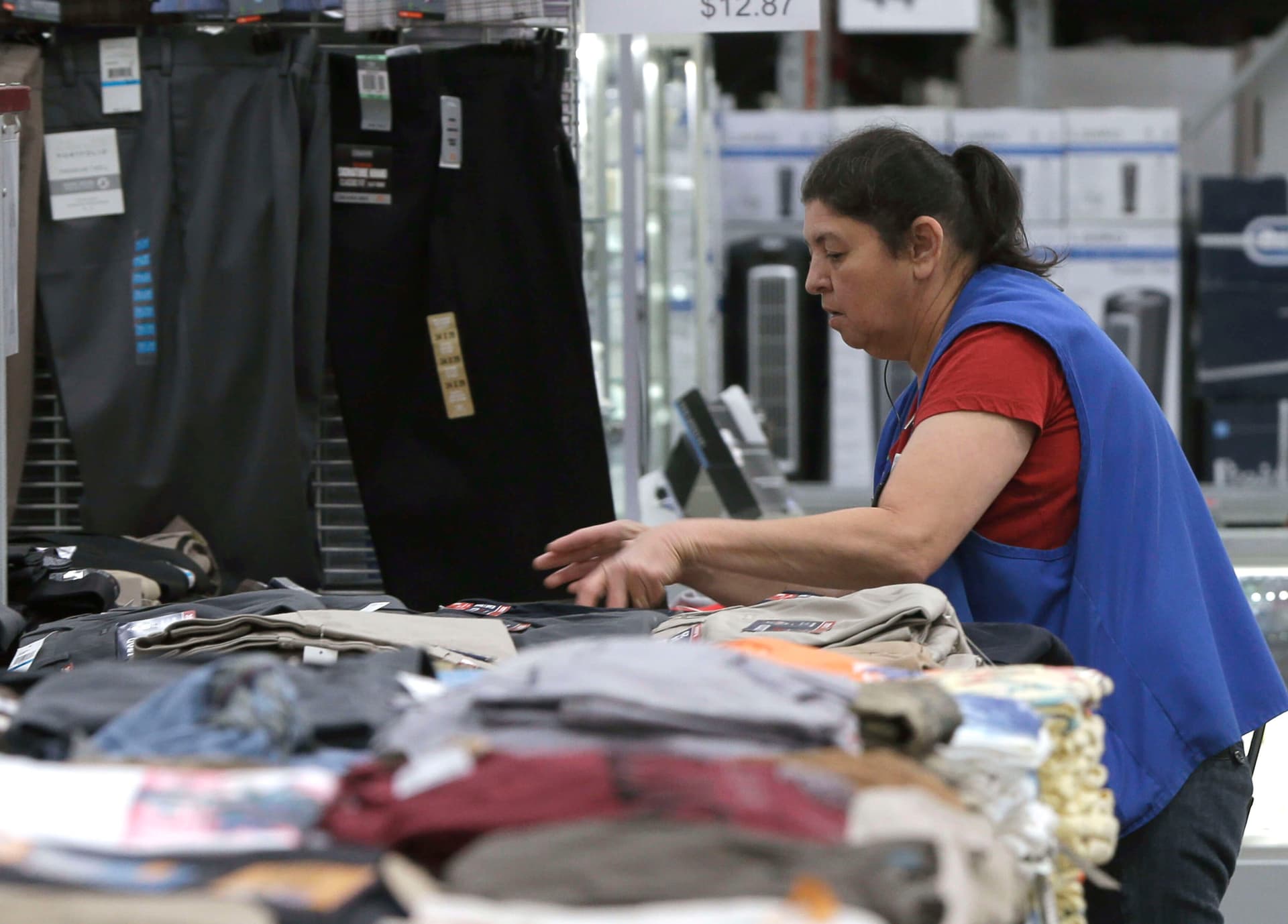
At Trader Joe’s, the hours on the schedule can decide how much a crew member takes home, how predictable the week feels and whether a shift turns into a clopening. That is why the latest warning about algorithmic scheduling matters here: software that looks like a neutral planning tool can quietly become the store’s unofficial rulebook, shaping labor costs from the employer’s side while crew members live with the consequences.
Trader Joe’s markets itself as a national chain of neighborhood grocery stores and says it pays well, gives each crew member a performance review twice a year and offers the potential for an average 7% annual increase. The company also says listening to crew feedback is essential. Those promises matter most when a scheduling system is being introduced, because the difference between a helpful tool and a rigid one can show up in the simplest questions: Who can override the schedule? How far in advance do workers see it? Can crew members decline last-minute changes without penalty?
That question has added force at Trader Joe’s because scheduling has already sat at the center of organizing inside the company. Trader Joe’s United says the Hadley, Massachusetts store became the first unionized Trader Joe’s on July 28, 2022. The Minneapolis store followed with a 55-5 vote in August 2022. Louisville voted to join in January 2023, and the Oakland Rockridge store later won its election 73-53. Brooklyn workers also filed for a union election in September 2022. In Hadley, workers organized around health, safety and scheduling concerns, a reminder that this is not an abstract tech story for hourly retail staff.
The policy backdrop also favors more worker control. Los Angeles County’s unincorporated-area retail fair-workweek ordinance took effect July 1, 2025 for retail businesses with 300 or more employees worldwide. It requires predictable schedules, advance notice, the right to request or decline schedule changes, adequate rest between shifts and predictability pay. San Francisco and Emeryville have similar precedents. For Trader Joe’s crews, the lesson is clear: if software is used to set labor, it needs human discretion built in from the start.
Cornell ILR School has found that variable work schedules can undermine organizational performance and increase turnover risk. That makes scheduling software more than an efficiency issue. It becomes a retention issue, a morale issue and a labor-relations issue. If Trader Joe’s managers roll out new tools, they should be judged by whether they protect availability, spread hours fairly and avoid optimizing away the very culture the company says sets it apart. In retail, the hidden policy is often the one that matters most.
This article was produced by Prism’s automated news system from verified source data, official records, and press releases, then run through automated quality and moderation checks before publishing. The system is built and supervised by the people who set the standards it runs under. Read our full AI policy.
Did this article answer your question?