Common customer habits are increasing stress for Trader Joe's crew
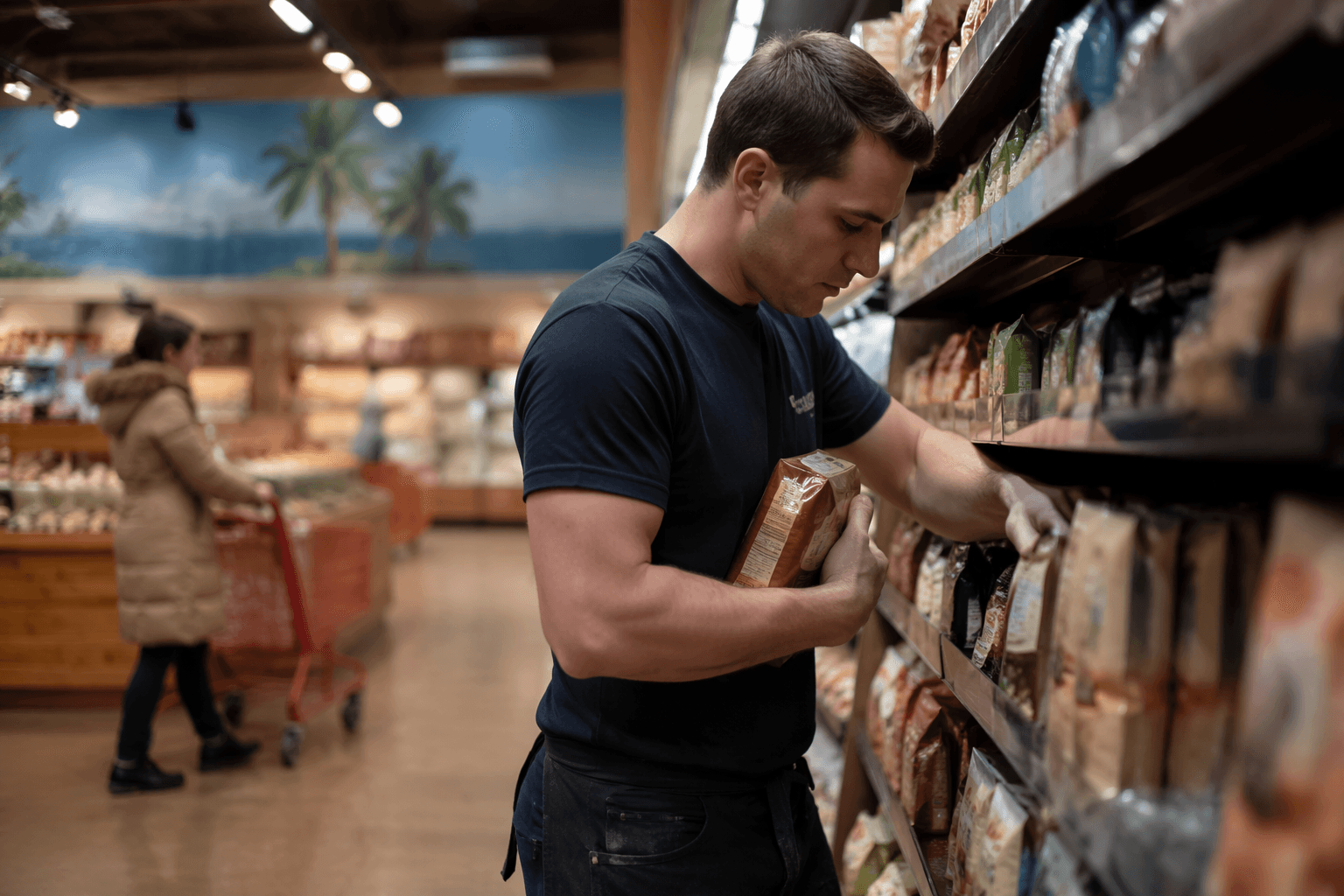
Current and former Trader Joe's crew describe customer behaviors that add time, hazards, and physical strain to shifts. These routine actions affect scheduling, safety, and morale.

Current and former Trader Joe's crew members reported that a handful of everyday customer habits routinely increase frontline workload, force late shifts, and create safety and sanitation headaches. Employees across stores said several recurring behaviors account for the bulk of the extra work that lands on crew shoulders.
Crew members identified arriving right before closing as a major driver of overtime and rushed closing procedures. When customers pull full carts into the registers or on to the floor in the last minutes, crew must juggle transactions while trying to finish cleaning, restocking, and securing the store. That compresses tasks and often requires staff to stay late to complete end-of-day responsibilities.

Requests for samples remain a point of friction. Post-pandemic policy changes altered when and how samples are offered in many locations, but customers still expect the taste station experience. Asking for samples, especially late in a shift, was cited as adding an avoidable interruption that slows registers and complicates closing routines.
Abandoned shopping carts and carts left in aisles also featured prominently in crew reports. Loose carts create trip hazards and slow down floor resets, while large, full carts unloaded at the register require extra sorting and bagging work for cashiers and floor crew. Several employees noted that handling oversized carts increases physical strain and the risk of repetitive lifting injuries.
Sanitation issues linked to customer behavior came up repeatedly. Handing over dirty reusable bags forces crew to manage soiled packaging at the register and sometimes to re-bag produce or other items, adding time and hygiene concerns. Similarly, asking about stock at the register rather than on the floor creates unnecessary back-and-forth for crew, slowing lines and pulling staff off their primary stations.
Workers reported that enforcement and local policy choices vary by store, which can magnify stress when teams try to apply inconsistent rules. Small operational choices by customers, when they shop, where they ask questions, how they load carts, translate into measurable extra work for crew and affect scheduling, overtime, and morale.
For workers and managers, the pattern points to predictable operational stressors: closing-time surges, sanitation tasks tied to customer behavior, and customer-driven delays that slow service. Addressing them typically requires clearer communication of store policies, consistent enforcement, and adjustments to staffing around known pressure points. For crew, recognizing which habits regularly create the heaviest load helps prioritize time and safety during the busiest parts of a shift; for managers, it highlights where operational fixes can reduce overtime and protect team morale going forward.
This article was produced by Prism’s automated news system from verified source data, official records, and press releases, then run through automated quality and moderation checks before publishing. The system is built and supervised by the people who set the standards it runs under. Read our full AI policy.
Did this article answer your question?