DoorDash expands grocery delivery, highlighting Trader Joe's in-store model
DoorDash’s latest grocery push is normalizing instant access while Trader Joe’s stays offline, doubling down on the in-store trip crew members run every day.
DoorDash’s latest grocery push is widening the gap between chains built for delivery and Trader Joe’s store-first model. On April 27, the delivery platform highlighted regional and local grocers including Busch’s Fresh Food Market, Chavez Supermarket, Crest Foods, Rainbow Grocery Cooperative and RPCS, Inc., a sign that grocery convenience is now a competitive front in its own right.
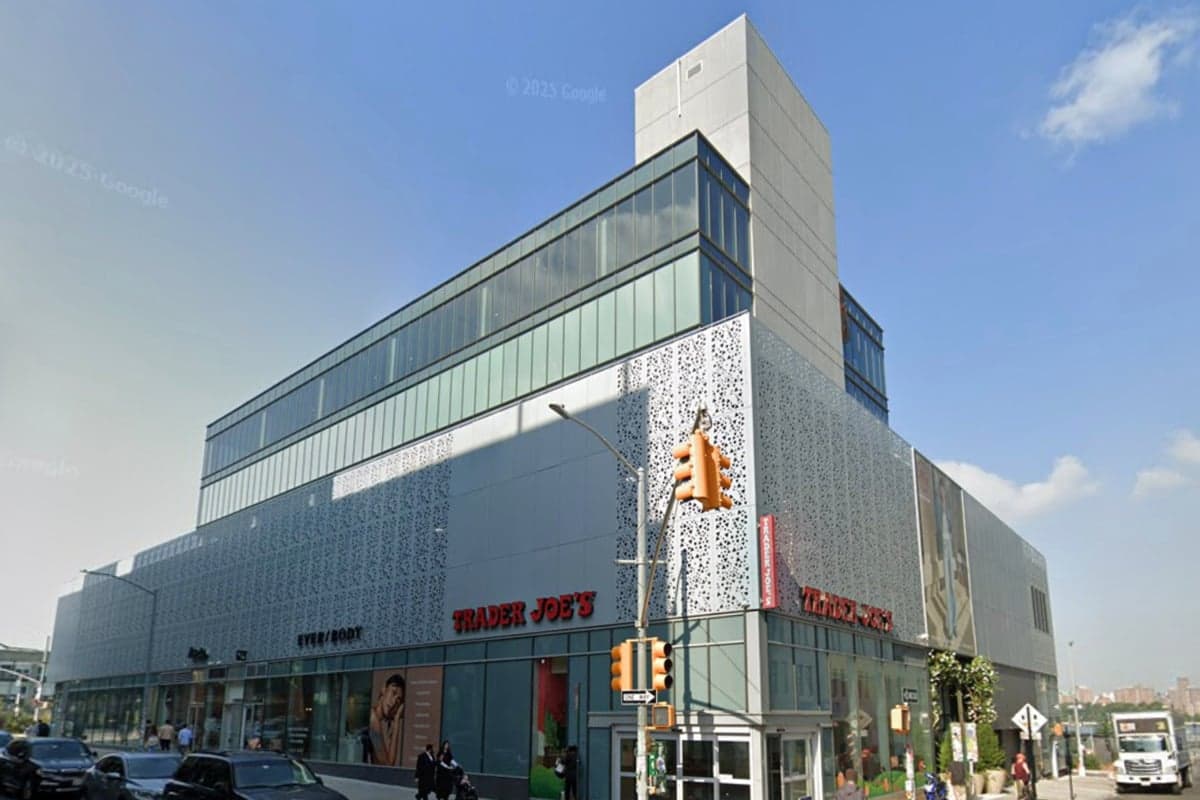
For Trader Joe’s crew members and managers, the key issue is not whether the chain will copy that model, because it will not. Trader Joe’s says it does not sell products online, does not offer curbside pickup or delivery, and does not work with third-party delivery services such as Instacart or Dumpling. The company says it only sells products in its physical stores and does not conduct business through third-party sites or apps, a hard line that keeps the shopping trip rooted in the aisle, not the app.
That stance is a direct contrast to the direction of the broader market. DoorDash said on Feb. 18 that it became the leading third-party marketplace in order volume across grocery and retail in the United States in 2025. It also said it added 33 new U.S. grocery partners in 2025 and early 2026, including Citarella, Mollie Stone’s, Schnucks and Northeast Grocers, while expanding SNAP/EBT payment to more than 50,000 stores for on-demand delivery. The message to shoppers has been clear: more groceries can now arrive fast, on demand, and through one platform.
Trader Joe’s is betting on a different kind of value. The company says it has been transforming grocery shopping into a welcoming journey full of discovery and fun since 1967, and its operating model is built around that promise. Crew members do a little of everything in stores, from running registers to stocking shelves and creating displays. Store leaders work from the floor, not from back offices, and the company says its office crew is very small, split between Monrovia, California, and Boston.
That labor setup helps explain why Trader Joe’s has kept leaning into physical retail even as digital grocery habits spread. The chain said it opened 34 new stores in 2024 and expected dozens more openings in 2025, showing that expansion is still happening inside the store model rather than outside it. For workers, that means the pressure is less about fulfilling online orders and more about keeping the in-person experience sharp enough to win against apps that promise speed. In a grocery market shaped increasingly by delivery habits, Trader Joe’s is making the case that a compact assortment, fast product discovery and face-to-face service can still beat convenience, even as convenience becomes harder for shoppers to ignore.
Know something we missed? Have a correction or additional information?
Submit a Tip