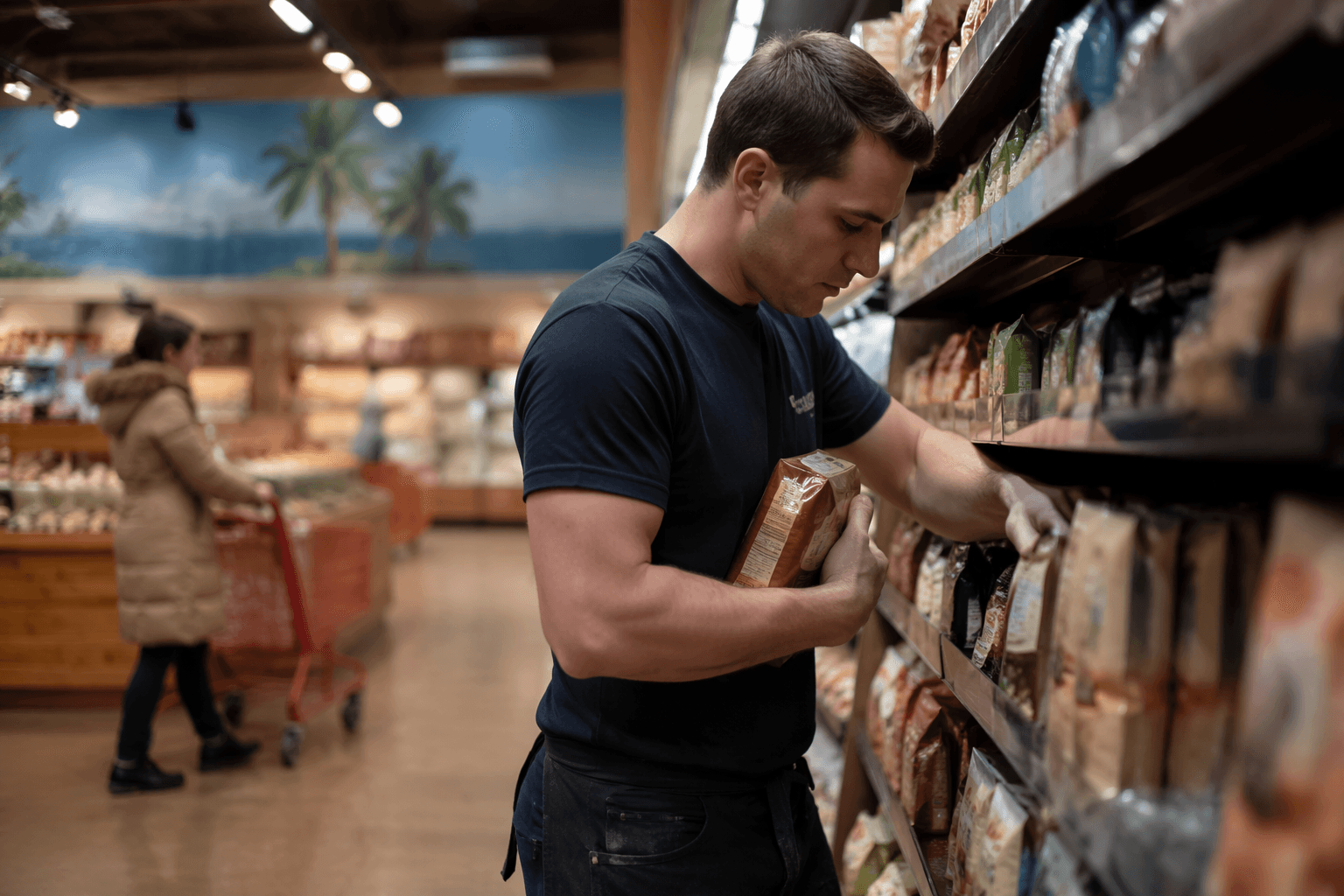
Major Winter Storm Sparks Panic Buying, Strains Trader Joe's Store Crews
A major winter storm Jan. 21-23 triggered panic buying that emptied shelves of bottled water, milk and staples, creating heavy workloads and safety concerns for Trader Joe's crew members.
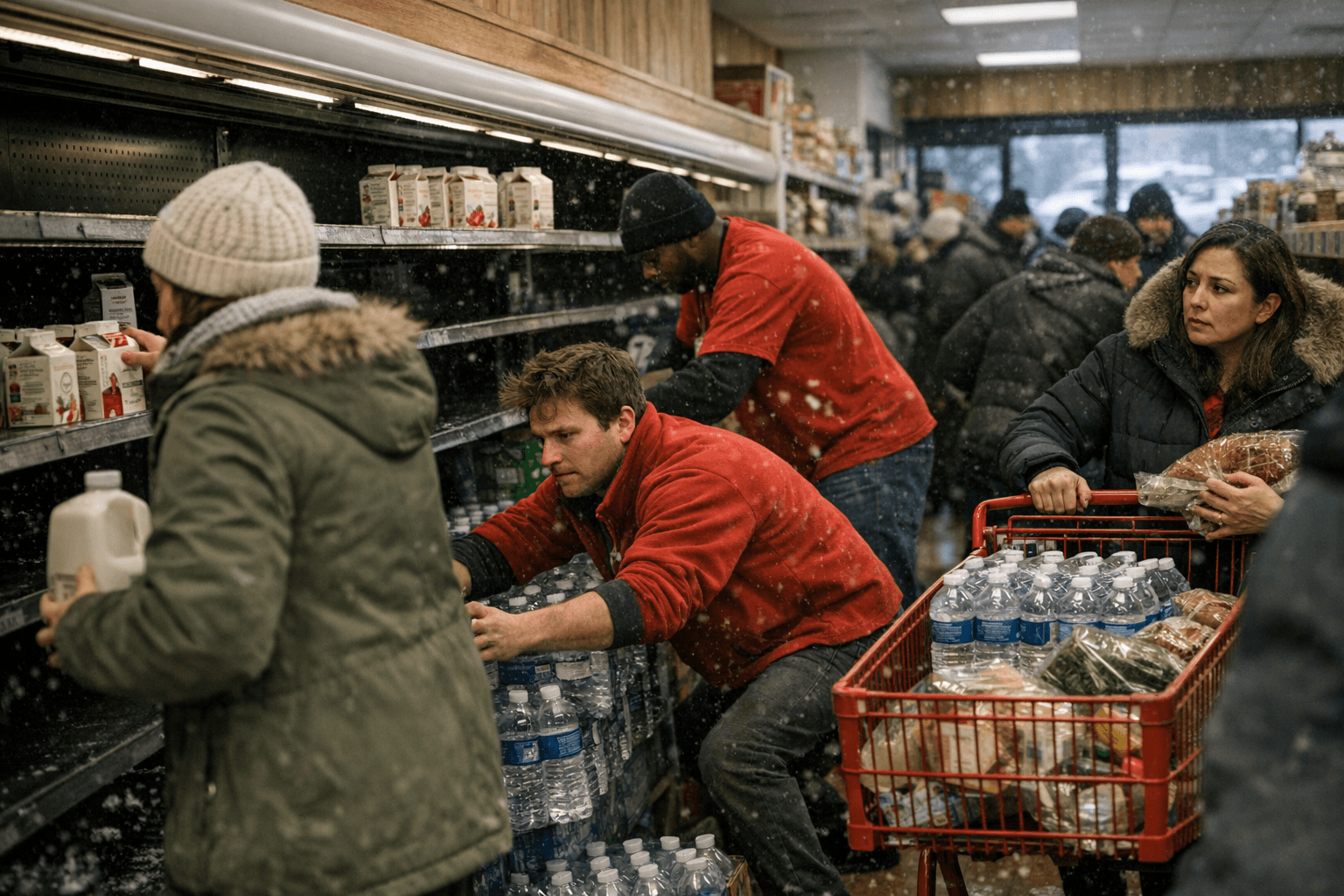
A fast-moving winter storm that swept through large swaths of the country Jan. 21-23 prompted panicked and precautionary shopping that left grocery shelves bare and store crews stretched thin. Bottled water, milk and other staples flew off shelves as shoppers stocked up ahead of travel disruptions and threats to utilities, creating a surge in demand that frontline grocery workers struggled to manage.
Communities across the U.S. faced disrupted travel and risks to power and water systems during the storm, complicating logistics for stores and employees. Photos of shoppers loading carts circulated widely as retailers raced to keep shelves stocked while supply trucks ran into weather-related delays. The combination of increased customer traffic and delayed deliveries produced acute operational pressure in stores that already run on tight staffing and inventory rhythms.
For Trader Joe's crew members, the effects were immediate and concrete. Empty inventory forced more frequent trips to the back room to pull what product was left, while cashiers and floor staff handled longer checkout lines and a sudden surge in customer interactions. Time spent restocking and fielding questions rose sharply, and managers faced the twin tasks of reallocating crew to high-traffic areas and navigating callouts from employees who could not safely travel to work. Those strains can amplify fatigue and raise the risk of errors or missed safety steps on the floor.
The storm highlighted common vulnerabilities in grocery operations during extreme weather: limited on-hand inventory for high-demand items, dependence on scheduled deliveries that can be delayed by road closures, and a workforce whose ability to get to work depends on local travel conditions. When utilities are threatened, employees also confront personal stakes - concerns about their own homes and families - while being asked to sustain store operations for the broader community.
Operational responses varied by location, but the underlying pressure was consistent: crews doing more work in less time amid safety and logistical constraints. For workers, that can mean overtime, abbreviated breaks and higher customer stress to manage during shifts. For store leaders, it means rapid decision-making about prioritizing restock, adjusting schedules and keeping crew members informed and safe.
As colder weather remains a recurring factor in many regions, the Jan. 21-23 storm serves as a reminder that retailers and crew schedules must factor in severe-weather contingencies. For Trader Joe's employees, preparedness plans, clear communication from managers and flexibility in scheduling will be central to coping when the next storm warning arrives. Management decisions now will shape whether crews face the same scramble or find smoother operations in future weather emergencies.
This article was produced by Prism’s automated news system from verified source data, official records, and press releases, then run through automated quality and moderation checks before publishing. The system is built and supervised by the people who set the standards it runs under. Read our full AI policy.
Did this article answer your question?