NLRB launches bilingual Know Your Rights cards on Weingarten, immigrant protections
NLRB General Counsel Jennifer Abruzzo launched bilingual tri-fold Know Your Rights cards on immigrant-worker protections and Weingarten rights, giving workers printable workplace tools and a hotline for help.
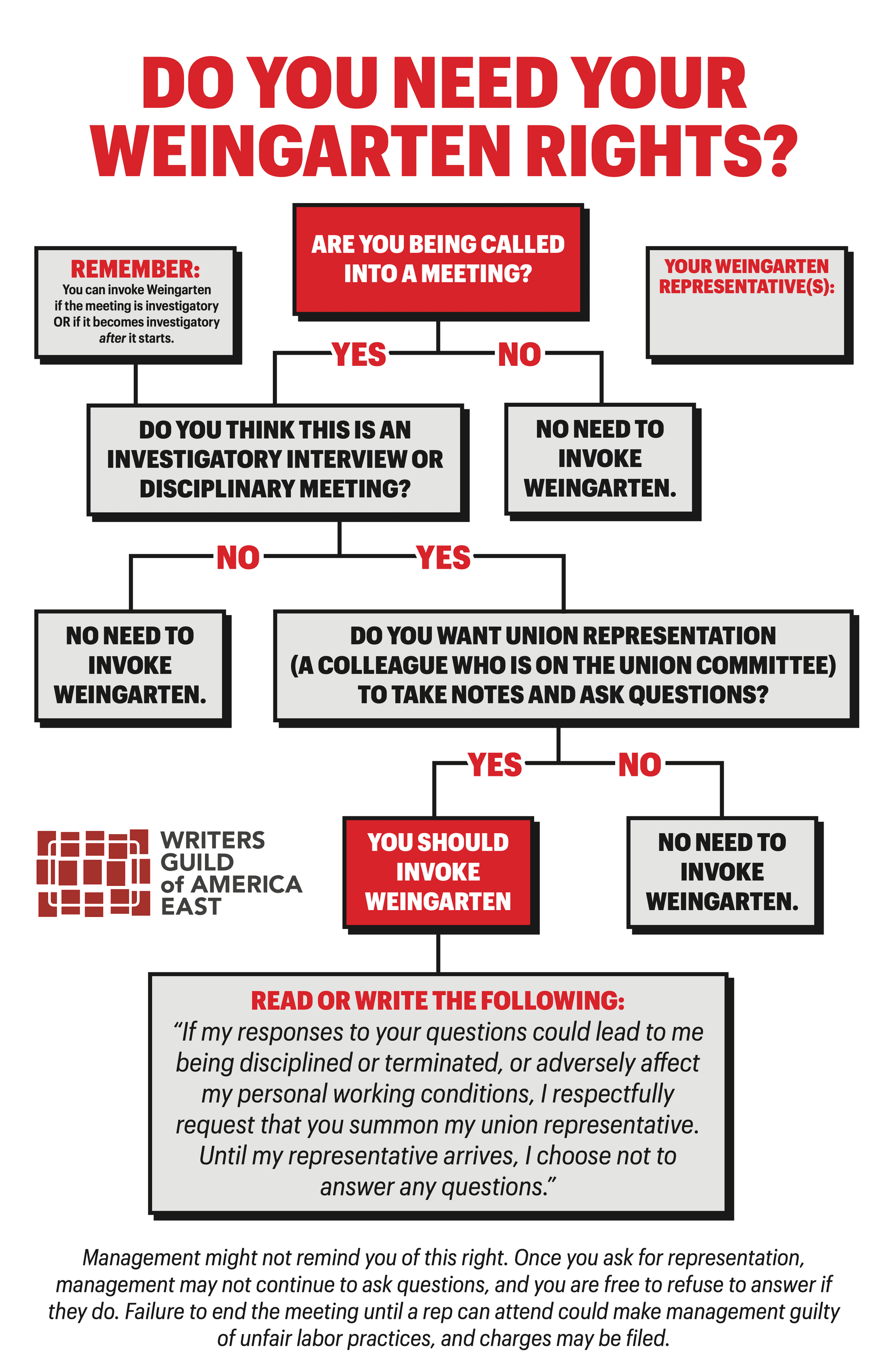
“Today, National Labor Relations Board General Counsel Jennifer Abruzzo launched a ‘Know Your Rights’ card series to educate workers on their rights under the National Labor Relations Act.” The initial rollout includes two tri-fold cards in English and Spanish: one on protections for immigrant workers and one on Weingarten rights. The agency says the cards are designed to be printed, folded, and used by workers in the workplace, and that additional cards in the series will be rolled out this year.
The materials are intended for workers, labor organizations, employers, and the general public. The NLRB is encouraging people to contact its Regional Offices for assistance; “Workers, labor organizations, employers, and others in the general public should feel free to call the NLRB’s Regional Offices (1-844-762-NLRB) to ask questions and receive assistance in filing an unfair labor practice charge in English and other languages.” The number also appears in numeric form as 1-844-762-6572. The agency says members of the public may request that an NLRB representative participate in an educational event through Regional Offices or on the NLRB’s website.
Federal labor context underscores why the cards matter on the shop floor. “UNITED STATES DEPARTMENT OF LABOR Know Your Organizing Rights” materials stress that unions help protect health, safety, wages and retirement security and that supporting organizing helps the Department of Labor carry out its mission. DOL guidance advises employers to “Make sure your employees are aware of their rights to organize and bargain collectively – for example, by circulating the poster developed under E.O. 13496.” The department points workers and employers toward federal resources and mediation support for initial contracts.
The guidance also reiterates clear prohibitions on employer conduct in response to organizing. An employer cannot fire or demote employees; impose new paperwork requirements to maintain employment; transfer employees to another location; contact law enforcement, including ICE; reduce pay, hours, or benefits; make work more difficult or less desirable - like changing work schedules, denying overtime, or separating employees; or threaten to do any of these things. For immigrant workers the outreach restates that “Most workers, including immigrant workers, have the right to form a union with protections from the National Labor Relations Board (NLRB).” It adds that “One of those protections is the right to be free from retaliation regardless of your immigration status.” The source text about retaliation is truncated as provided: “Retaliation based on immigration status can include: • Threats to call”
The NLRB frames the work within its long history. “Established in 1935, the National Labor Relations Board is an independent federal agency that protects employees from unfair labor practices and protects the right of private sector employees to join together, with or without a union, to improve wages, benefits and working conditions.” The agency also notes that “The NLRB conducts hundreds of workplace elections and investigates thousands of unfair labor practice charges each year.”
For Trader Joe’s crew members and other retail workers, the new cards are a practical tool to carry into meetings or keep in breakrooms: printable, bilingual reference material that outlines core protections and tells workers how to seek help. If you believe your rights have been violated, contact the NLRB as soon as possible; “Your employer will not be told about your inquiry.” Workers who want more formal help can call 1-844-762-NLRB (1-844-762-6572), request an NLRB representative for an educational event, and consult federal organizing resources and mediation services for next steps.
This launch makes the NLRB’s outreach more portable and accessible; expect more topic cards later in the year and consider printing the tri-folds for crew rooms, safety boards, or one-on-one conversations about workplace rights.
This article was produced by Prism’s automated news system from verified source data, official records, and press releases, then run through automated quality and moderation checks before publishing. The system is built and supervised by the people who set the standards it runs under. Read our full AI policy.
Did this article answer your question?