Seven Trader Joe's January releases spark customer rush, pressure on crews
Seven new Trader Joe's items hit stores Jan. 15, drawing increased foot traffic and creating short-term restocking and checkout pressure for crew members.

On Jan. 15, Trader Joe’s rolled out seven new and returning products that quickly drew shoppers into stores, increasing front-line workload across locations. The assortment included two prebiotic sodas, a pistachio spread, PB&J Oat Bites and Dekopon mandarins among other items, and customer enthusiasm for the drop created noticeable spikes at registers and on the sales floor.
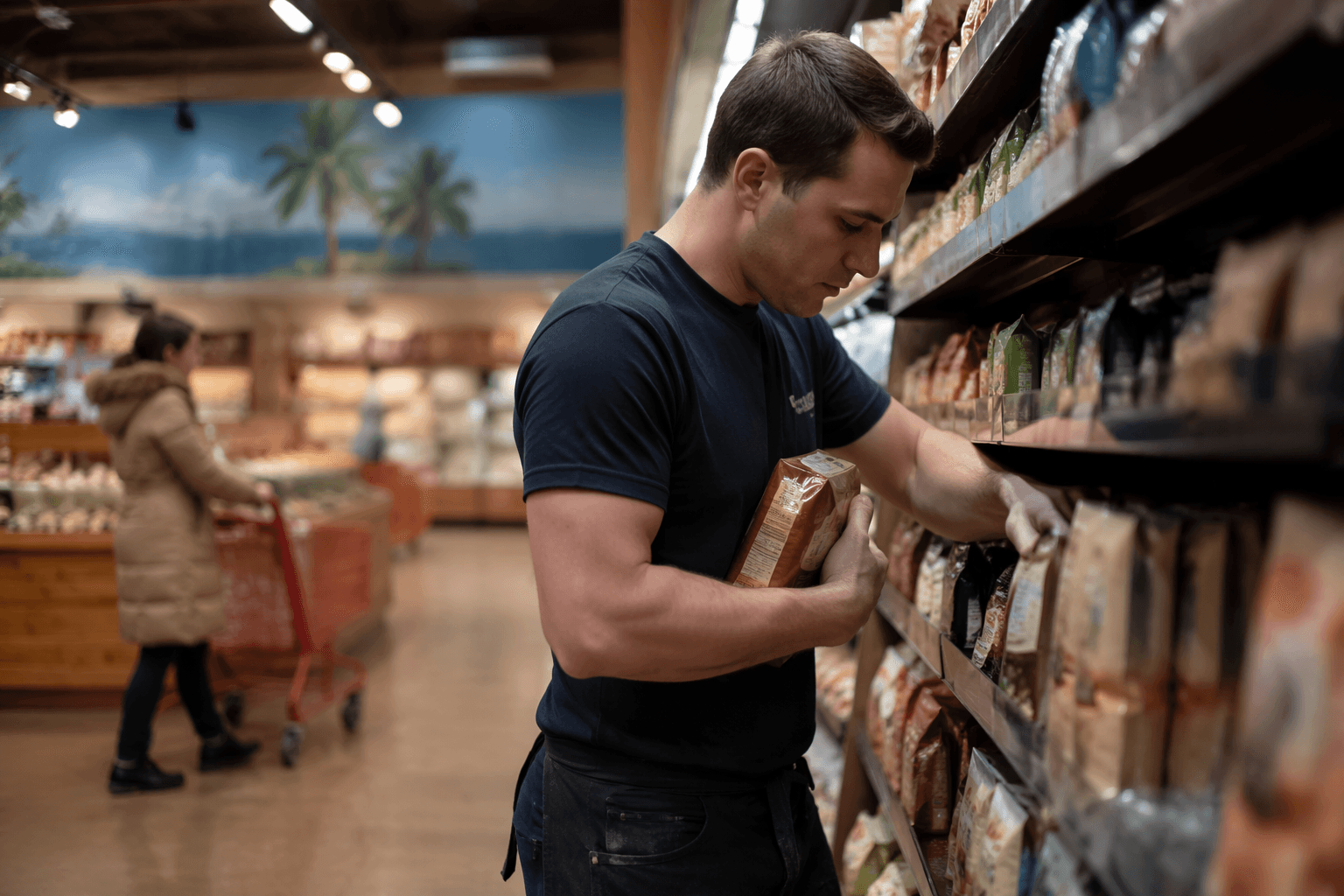
Product assortments and seasonal returns like these routinely drive extra traffic at neighborhood stores, and crew members say that multiple new items arriving at once tends to magnify the operational load. Restocking demands rise as shelves empty faster than usual, temporary displays require assembly and front-of-store staff must manage increased questions from customers scouting for limited or seasonal items. Checkout queues lengthen when demand outpaces scheduled headcount, and managers are often forced to reallocate staff mid-shift to cover register lines.
The Dekopon mandarin release adds a produce angle that requires additional handling and rotation to avoid waste, while pantry items such as a new pistachio spread and PB&J Oat Bites generate high single-item velocity that complicates inventory tracking. Beverage releases, including two prebiotic soda flavors, typically move in bulk and can consume floor space reserved for pallets and endcaps, creating logistical headaches for crews balancing weekly deliveries with surprise demand.
Frontline workers and former crew posting on review sites and worker forums have repeatedly described this pattern: popular product drops produce a short-term surge in customer volume, strain existing schedules and force on-the-fly changes to staffing and store operations. Those crowd-driven shifts also increase the frequency of customer service interactions, returns and price checks, tasks that take crew away from backroom duties and stock replenishment.

For store leadership, predictable planning can reduce friction. Advanced scheduling for anticipated drops, holding buffer stock when possible and coordinating with regional teams for temporary support are common ways to handle the peak. For crew members, the immediate impact often shows up as busier shifts, altered break schedules and, in some cases, voluntary overtime to cover checkout backups or display builds.
As Trader Joe’s continues to use limited-time items and seasonal assortments to draw shoppers, the cadence of product releases will remain a key operational factor. Stores that anticipate the logistics of a new-product rush can smooth customer flow and limit stress on crews; those that treat each drop as routine risk repeating the scramble that follows popular launches.
This article was produced by Prism’s automated news system from verified source data, official records, and press releases, then run through automated quality and moderation checks before publishing. The system is built and supervised by the people who set the standards it runs under. Read our full AI policy.
Did this article answer your question?