Storm-Driven Shortages at Baltimore Trader Joe’s Strain Crew Operations
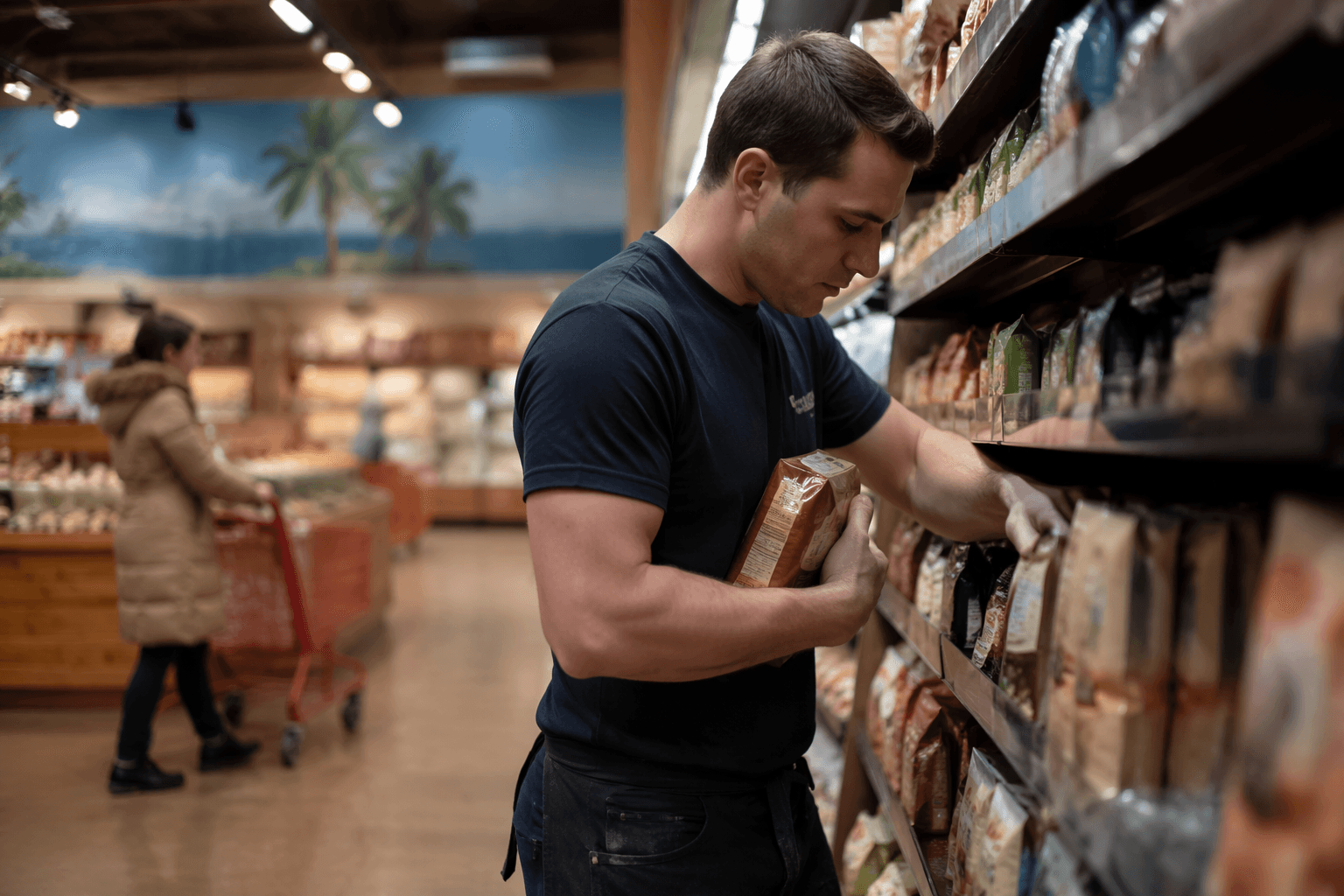
Storm-driven panic buying left a Baltimore Trader Joe's with no milk, limited frozen goods and sparse meat, straining crew as they managed customer frustration and compressed restocking shifts.
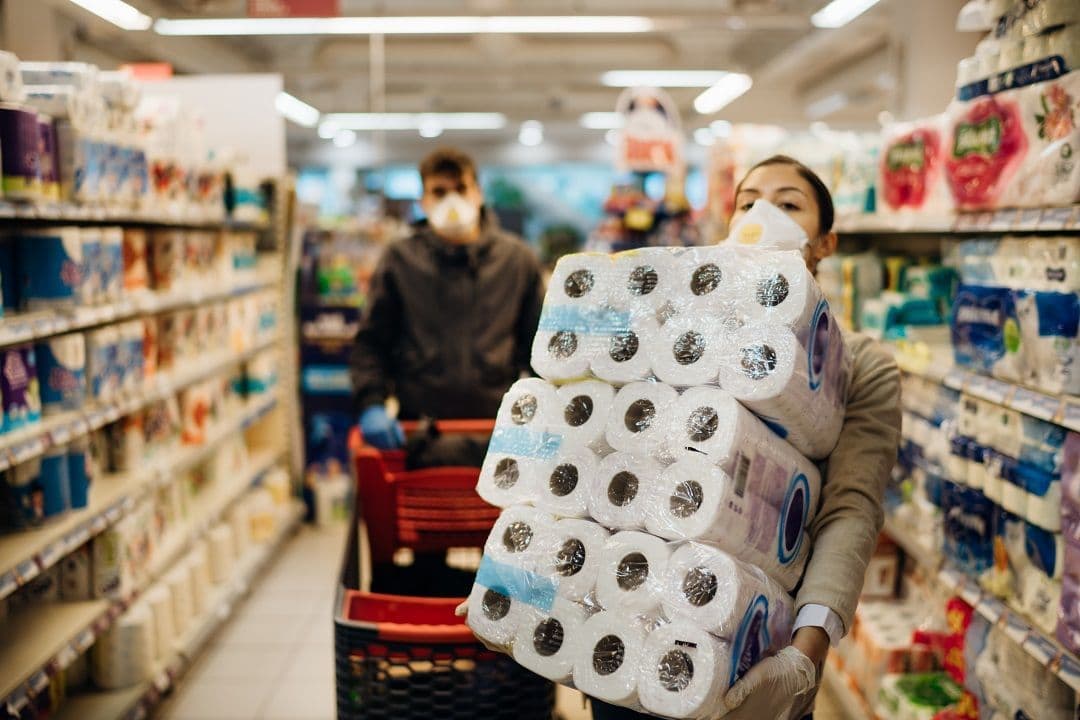
Shoppers at a Baltimore Trader Joe's encountered severely depleted shelves after a storm-related rush left the store without milk, with limited frozen items and sparse meat, creating a blue-collar pressure point for crew members tasked with keeping the store running. The shortages were documented in a Jan. 22, 2026 post on r/baltimore, where commenters attributed the gaps primarily to storm-driven panic buying and weather-related distribution delays.
The Reddit thread captured how short-term supply hiccups translate into day-to-day workforce stress. Several respondents compared conditions at nearby Trader Joe's locations and reported temporary stockouts, suggesting the disruption was local but not entirely isolated. For crew on the floor, those gaps meant more customer interactions centered on missing items, along with faster turnover of whatever product remained on shelves.
Operationally, the situation highlighted predictable pain points for small-format grocery stores that rely on frequent deliveries. Commenters emphasized a surge in customer demand that outpaced on-hand inventory during the storm window, followed by a compressed workload when deliveries resumed. That pattern forces crew to shift from routine stocking and merchandising into sustained restocking shifts, inventory triage and customer-service triage - tasks that can increase fatigue and extend shift lengths.
Customer frustration during shortages is an immediate labor impact. Crew members often become the frontline for complaints and refund requests, even when the cause is upstream logistics. The thread underscored how a weather event can amplify those interactions, requiring more time at the registers and on the sales floor to explain availability and alternatives. When supply lines normalize, the workload does not simply revert. Restocking arrives in concentrated waves, increasing the physical intensity of shifts and the need for scheduling flexibility.

Scheduling and workforce planning were also flagged by users as areas likely to be affected. Storm-related absences, last-minute call-ins, and the need to call extra crew for post-storm restock all strain managers and hourly workers. Those pressures can lead to extended hours, unplanned overtime or shift swaps that ripple through weekly schedules.
For crew and store leaders, the Reddit thread offers a grassroots snapshot of how weather and consumer behavior intersect with labor realities. Preparing for similar events could mean clearer communication to customers about expected delays, contingency staffing plans and prioritizing restock tasks that restore high-demand essentials first. For Baltimore shoppers and the crew who serve them, the episode is a reminder that short-term supply disruptions are as much a people problem as a logistics one, and that the work of smoothing recovery often falls to the employees on the floor.
This article was produced by Prism’s automated news system from verified source data, official records, and press releases, then run through automated quality and moderation checks before publishing. The system is built and supervised by the people who set the standards it runs under. Read our full AI policy.
Did this article answer your question?