Target shifts cereal aisle to synthetic color-free products by month’s end
Target said all of its cereal will be free of certified synthetic colors by month’s end, a move that could push more ingredient questions onto Trader Joe’s crews.
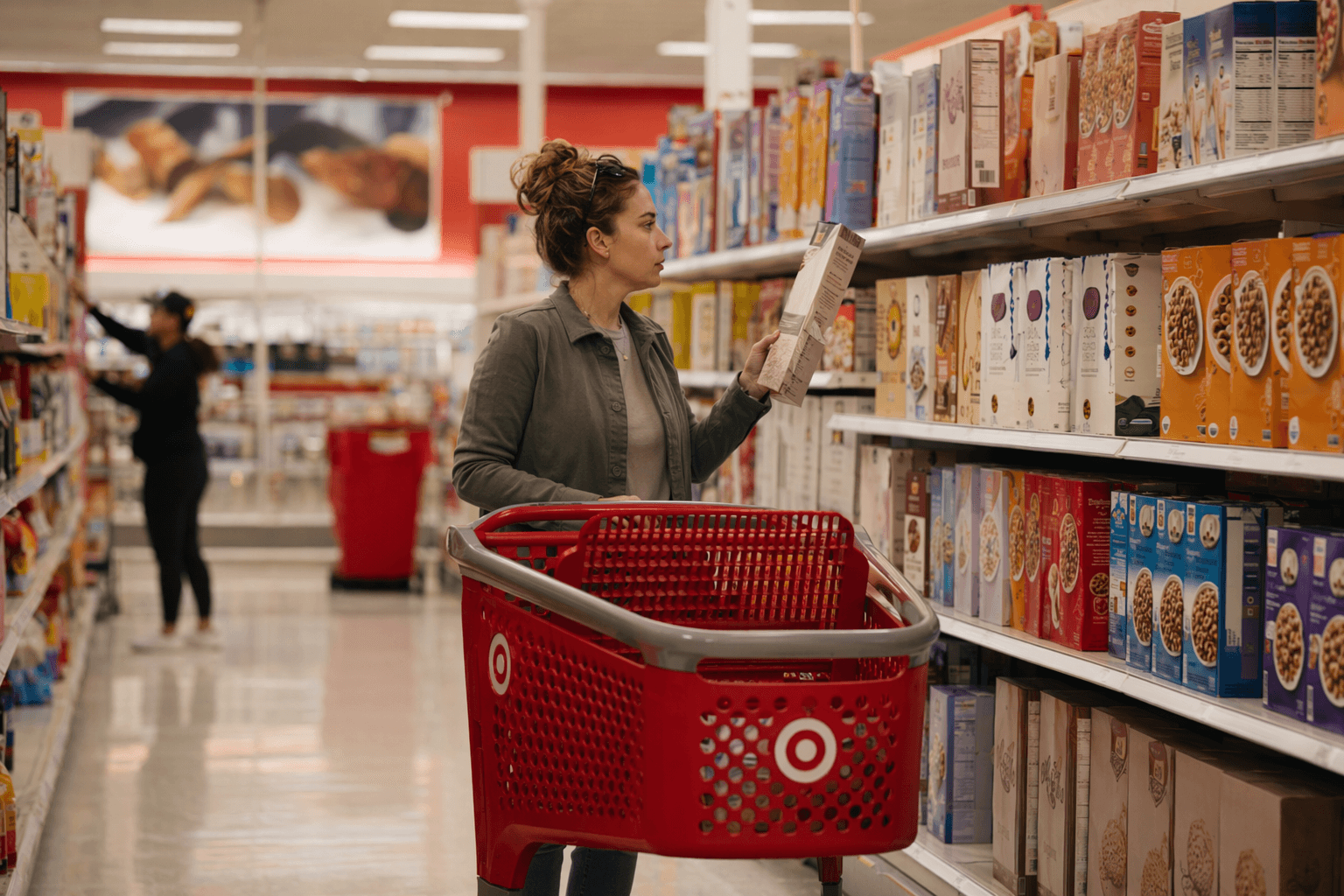
Target’s cereal aisle is about to become a clean-label test case, and Trader Joe’s crews may feel the ripple. By the end of May, Target said 100% of the cereal it sells in stores and online will be made without certified synthetic colors, with the transition expected to finish by month’s end.
That shift is not just about breakfast boxes. Target said the aisle will keep a mix of new and exclusive items, including Good & Gather Kids cereals, Seven Sundays Peanut Butter and PB Chocolate Puffs, Michele’s Granola Pistachio Chocolate, and Purely Elizabeth Protein Granola, along with familiar brands reformulated without synthetic colors. The company said it worked with national brands and owned-brand partners to preserve the quality and value shoppers expect while keeping the aisle broad enough to cover different flavors, dietary needs and price points.
For Trader Joe’s workers, the operational takeaway is simple: customers are likely to ask more ingredient questions, compare more labels and judge more aisles against each other. A mainstream retailer going all-in on synthetic color-free cereal raises the bar on what shoppers think a “better” grocery shelf should look like. That can mean more conversations at the shelf, more scrutiny of private-label packaging and more pressure on store teams to know which items fit a clean-label expectation and which do not.
It also cuts close to the Trader Joe’s brand itself. Trader Joe’s has long sold the idea that a tightly edited assortment can make shopping easier, and the company says it buys direct from suppliers whenever possible and chooses private-label products only after tasting them and deciding they are extraordinary. It also says it runs without sales, coupons, loyalty programs or membership cards. Those choices have always helped Trader Joe’s stand apart, but Target’s move shows that the broader market is now borrowing from the same playbook: fewer choices, clearer ingredient positioning and more emphasis on trust as part of value.
The timing matters because the industry is moving in the same direction. General Mills said in June 2025 it would remove certified colors from all U.S. cereals and K-12 school foods by summer 2026 and from its full U.S. retail portfolio by the end of 2027. Kraft Heinz said it would remove FD&C synthetic dyes from its U.S. portfolio by the end of 2027. In February 2026, the Food and Drug Administration said companies can use “no artificial colors” claims when products do not contain petroleum-based colors. That makes Target’s cereal reset more than a merchandising tweak. It is another sign that clean-label expectations are becoming a mainstream retail norm, and Trader Joe’s will need to keep its promise of expert, friendly, fresh-feeling shopping as that norm spreads.
Know something we missed? Have a correction or additional information?
Submit a Tip