Trader Joe's 401(k) Plan Faces Litigation: What Employees Should Know
Trader Joe's 401(k) plan is under legal scrutiny — here's what crew members need to understand about the allegations and what they mean for your retirement savings.
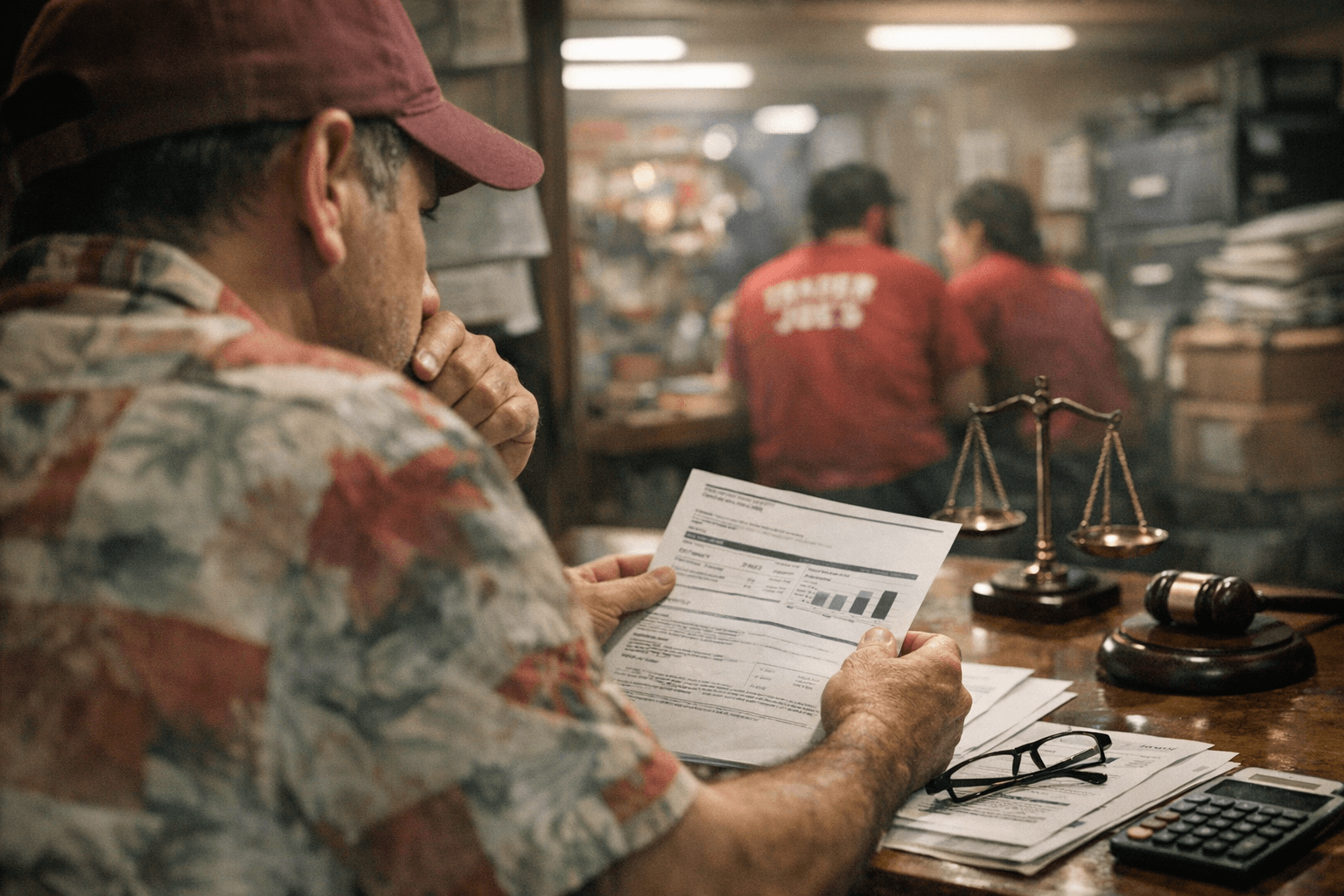
Retirement savings are not the most glamorous part of working at Trader Joe's. The Hawaiian shirts, the crew culture, the above-market pay, the genuine pride in knowing your product — that's the stuff that gets talked about. But the 401(k) plan quietly sitting behind your paycheck is one of the most significant financial benefits you have, and right now it's the subject of litigation that every crew member and store manager should understand.
What the litigation is about
Lawsuits targeting employer-sponsored 401(k) plans have become increasingly common across corporate America over the past decade, and Trader Joe's is among the companies facing scrutiny over how it manages its retirement plan. These cases typically fall under the Employee Retirement Income Security Act, known as ERISA, the federal law that governs how employers must handle plan assets and act on behalf of participants.
ERISA imposes a fiduciary duty on plan administrators — meaning the people and committees responsible for overseeing the plan are legally required to act in the best interests of participants, not the company. When plaintiffs allege that duty has been breached, the claims generally center on a few core categories: excessive fees charged to participants, the inclusion of underperforming or expensive investment options, and failure to use the plan's collective buying power to negotiate better terms for employees.
The Trader Joe's litigation follows this general pattern. The allegations focus on how plan assets have been managed and whether the company fulfilled its obligations to the crew members and managers who depend on that plan for retirement income.
Why 401(k) litigation has become so common
It's worth understanding the broader landscape, because the existence of a lawsuit does not automatically mean wrongdoing occurred. Since a landmark 2015 Supreme Court ruling made it easier to bring ERISA breach-of-fiduciary-duty claims, plaintiffs' law firms have filed hundreds of cases against employers ranging from small nonprofits to Fortune 500 companies. Some of those cases have resulted in significant settlements and meaningful reforms to plan structures. Others have been dismissed.
What the wave of litigation has done, regardless of outcome, is force plan sponsors, including retail employers like Trader Joe's, to document their investment selection process more rigorously and benchmark their fees against comparable plans. In that sense, the scrutiny itself can produce better outcomes for participants even when cases don't go to trial.
What it means if you're a crew member
If you participate in the Trader Joe's 401(k) plan, the most important thing to understand is that litigation does not freeze your account or put your existing contributions at risk. Your balance remains yours. The legal question being litigated is whether the company managed the plan properly on your behalf going forward and in the past, not whether your saved funds are in jeopardy.
That said, there are practical things worth paying attention to:
- Review the investment options currently available in your plan and compare the expense ratios. Expense ratios are the annual fees funds charge, expressed as a percentage of your assets. A difference of even half a percentage point can translate to tens of thousands of dollars over a career.
- Check whether you're enrolled in any funds labeled as proprietary or affiliated with a specific financial institution at higher-than-average costs.
- Read any notices you receive from the plan administrator. ERISA requires that participants be kept informed, and if there is a settlement or a change to the plan structure, you should receive formal notification.
What store managers should know
If you're in a management role and you communicate plan information to crew members, or help facilitate enrollment, you have additional exposure to be aware of. ERISA's fiduciary rules can extend to individuals who exercise discretion over plan assets or administration, not just the corporate committee formally designated as plan administrator. That doesn't mean every manager is a fiduciary, but it does mean you should avoid giving plan investment advice, stick to factual enrollment information, and direct specific questions to HR or the plan's official resources.
The existence of litigation also creates a reason to stay current on any communications from Trader Joe's corporate regarding plan updates. Companies facing ERISA suits sometimes make proactive changes to plan lineups or fee structures during litigation as part of settlement negotiations or simply to demonstrate good-faith compliance. Those changes can directly benefit participants.
The broader stakes for Trader Joe's workers
Trader Joe's has built its reputation partly on treating employees better than the average grocery retailer. Above-market hourly pay, genuine crew culture, and a relatively flat management structure have made it a standout in an industry known for high turnover and thin margins. The 401(k) plan is a piece of that overall compensation picture, and the litigation is, at its core, a question of whether the company has held up its end of that implicit bargain when it comes to retirement benefits.
The union organizing push that began in 2022, with workers at stores in cities including Hadley, Massachusetts and Minneapolis voting to unionize, added a new dimension to how Trader Joe's manages its relationship with crew members. Retirement plan quality is exactly the kind of issue that surfaces in collective bargaining, and the outcome of this litigation could shape how those conversations go.
What happens next
ERISA cases can take years to resolve. They typically proceed through a discovery phase where plaintiffs' attorneys request plan documents and fee data, followed by potential class certification, and then either a settlement or a trial. Many cases settle before reaching a verdict, with settlements often requiring the company to make changes to the plan structure in addition to paying damages to participants.
If a settlement is reached, eligible participants typically receive notice with instructions on how to claim their share. Missing that window means forfeiting any recovery. Staying enrolled in the plan and keeping your contact information current with HR is the simplest way to ensure you don't get left out.
The retirement savings you're building at Trader Joe's matter, regardless of how this case resolves. Understanding what's being contested and why is the first step to making sure you're getting the most out of the benefit you've earned.
This article was produced by Prism’s automated news system from verified source data, official records, and press releases, then run through automated quality and moderation checks before publishing. The system is built and supervised by the people who set the standards it runs under. Read our full AI policy.
Did this article answer your question?