Trader Joe's Anti-Grocer Model Drives $2,100 Per Square Foot in Sales
Trader Joe's squeezes $2,100 in sales from every square foot of store, lapping Costco and Whole Foods through a stripped-down model built on private labels and above-market pay.
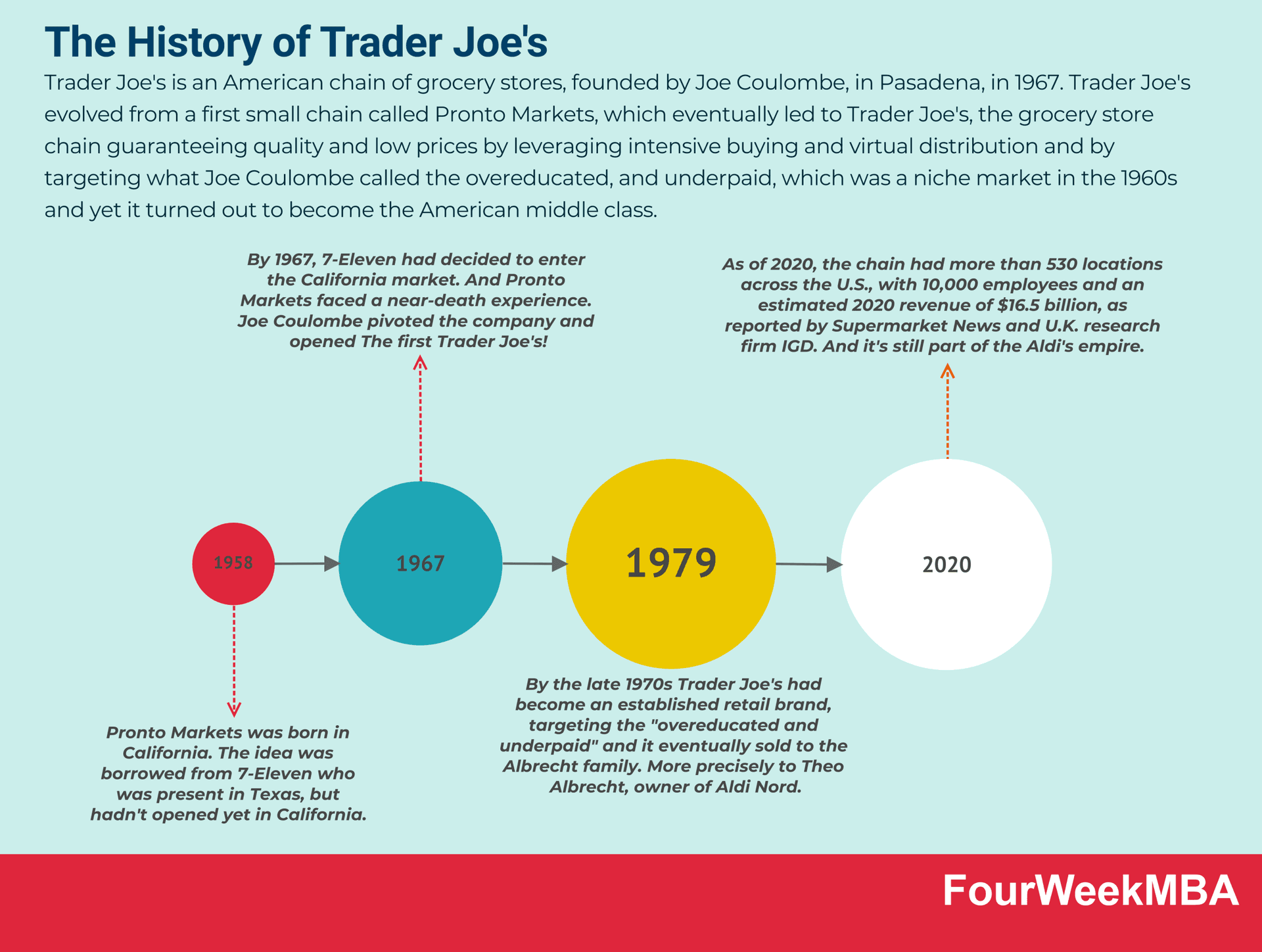
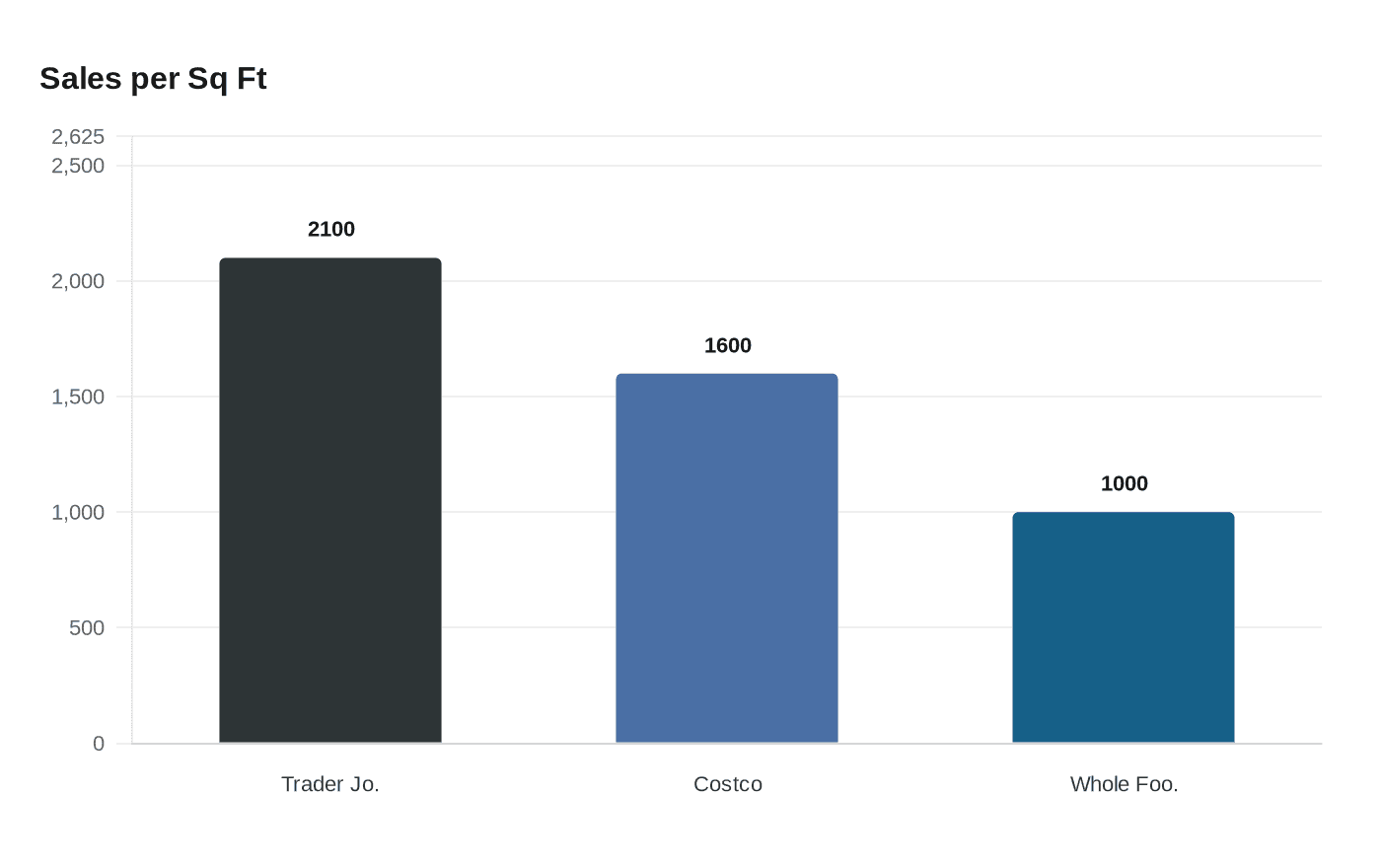
Walk into any Trader Joe's and the first thing you notice is what isn't there: no loyalty card kiosks, no towering national-brand displays, no 40-foot cereal aisles. That absence is the business model. Business writer Trung Phan has laid out in detail how Trader Joe's "anti-grocer" approach generates $2,100 in sales per square foot, a figure that leaves both Costco ($1,600 per square foot) and Whole Foods ($1,000 per square foot) well behind. For crew members who hear customers talk about the company like a cult, there's hard math behind the devotion.
What "anti-grocer" actually means
Most grocery chains compete by carrying everything. The logic is that a shopper who can't find their preferred brand will walk out; the solution is to stock every brand. Trader Joe's inverts that logic entirely. By curating a tight private-label assortment rather than offering a sprawling catalog of national brands, the chain eliminates the shelf-space waste and margin compression that haunt conventional grocers. Fewer SKUs mean faster inventory turns, simpler stocking, and less spoilage. The store layout reflects this directly: compact footprints with efficient flow mean that every square foot is working, not sitting idle as a hedge against a shopper's obscure preference.
The private-label strategy is the engine underneath all of it. When Trader Joe's develops its own products, it captures the margin that would otherwise flow to a brand like Kellogg's or Kraft. Customers can't price-compare a Trader Joe's Mandarin Orange Chicken against a competitor because no competitor sells it. That exclusivity, repeated across hundreds of SKUs, creates a moat that no coupon war can bridge. It also gives crew members something genuine to recommend: the product exists because someone at the company believed in it, not because a slotting fee changed hands.
The founder-led innovation thread
Trung Phan's analysis specifically flags founder-led innovations as a driver of the model's durability. Trader Joe's was built with a coherent philosophy from its earliest days, and that philosophy has compounded over decades rather than being diluted by successive leadership pivots. The result is a chain that doesn't need to reinvent itself seasonally or chase whatever premium grocery trend is drawing venture capital. The consistency is strategic: when the format and the values are stable, execution gets easier and the customer relationship deepens.
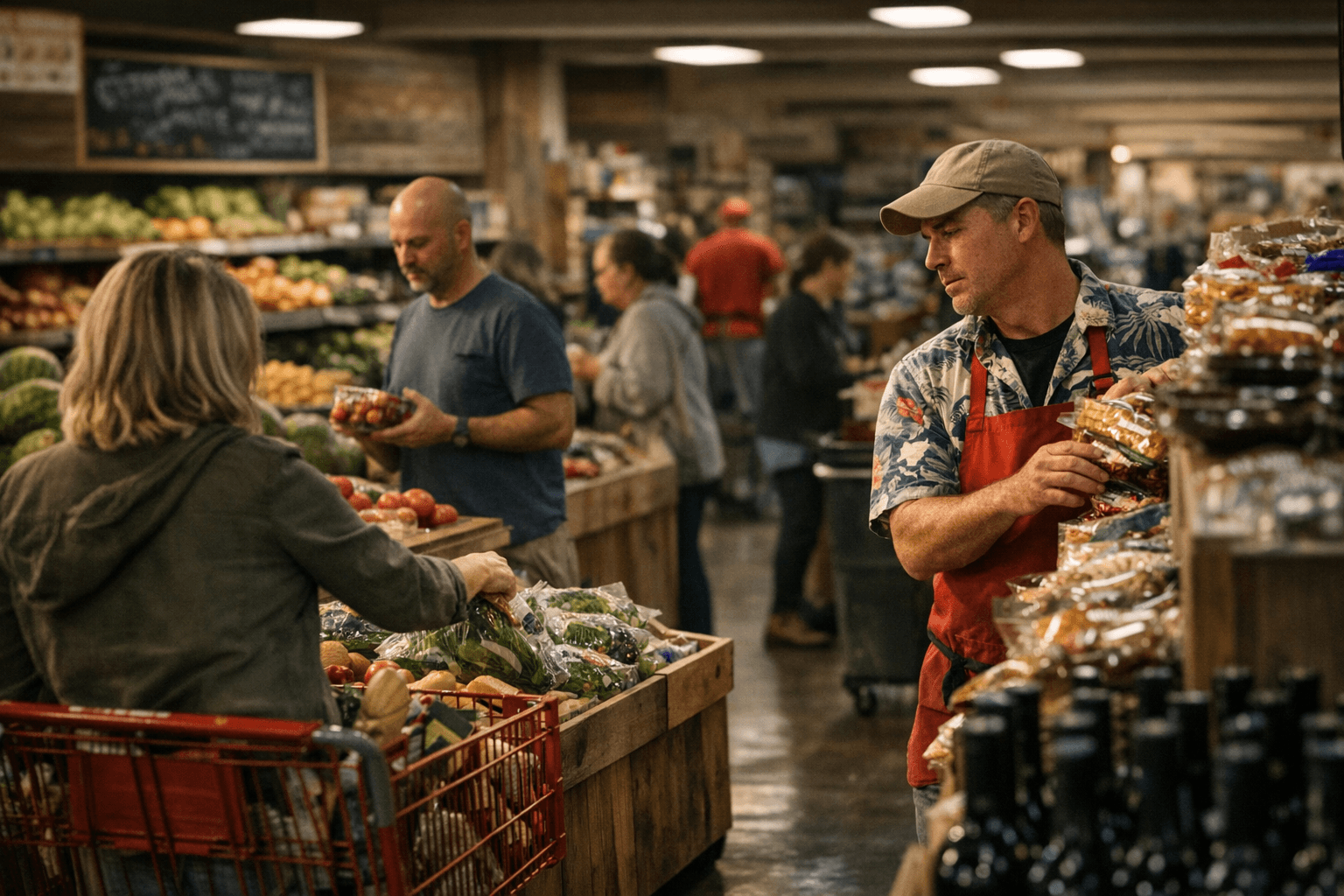
Founder-led thinking also shows up in how the company treats product curation as an editorial function rather than a procurement function. Items get cut when they stop earning their place. New products arrive because someone with authority and taste made a call, not because a category manager ran a spreadsheet. If you've ever stood at a sample station and watched a customer genuinely deliberate over a new item, you've seen that editorial model working in real time.
High worker pay as a competitive input
The above-market pay Trader Joe's offers isn't a feel-good footnote to the business model; it's listed by Phan as one of the core strategic elements alongside private labels and efficient layouts. That framing matters. In conventional retail analysis, labor is a cost to minimize. Trader Joe's treats it differently: knowledgeable, engaged crew members are part of the product experience, particularly in a store where the house brand needs human advocacy rather than brand-recognition shortcuts.
Crew members who know the inventory can answer the question "what's good right now?" with credibility. That interaction is worth something that no national-brand endcap display can replicate. The company's willingness to pay above-market rates is also one reason the first major union push since 2022 has emerged as a genuine conversation inside the company. Workers who feel the gap between their compensation and the sales productivity they help generate are doing their own version of Phan's math.
Reading the numbers in context
The $2,100 per square foot figure deserves some unpacking. Costco runs at $1,600 per square foot despite operating massive warehouse floors and high-velocity bulk sales. Whole Foods, positioned as the premium natural-and-organic alternative, manages $1,000 per square foot on prices that are famously not budget-friendly. Trader Joe's runs a smaller physical footprint than either, which mechanically boosts the per-square-foot number, but that's precisely the point: the small-format, high-curation model is a deliberate design choice, not an accident of real estate. Efficiency at this level doesn't happen without intentional constraint.
The comparison also reframes what "premium" means. Whole Foods competes on ingredient sourcing and brand cachet. Trader Joe's competes on curation and trust. Both charge prices above the commodity end of the market, but Trader Joe's converts that positioning into higher sales density because customers come in with a specific kind of confidence: they know the store won't waste their time with bad products.
What the model demands from the people inside it
Running a high-efficiency, high-curation store puts real demands on the crew. Because the SKU count is deliberately limited, every product on the shelf needs to move, and crew recommendations carry outsized weight. A crew member who can tell a customer why the Everything But the Bagel Seasoning became a pantry staple, or which new frozen item is worth trying, is doing something qualitatively different from stocking a national-brand aisle where the marketing department has already done the selling.
The tradeoff is that this model asks crew members to be invested in a way that not all retail jobs require. The above-market pay is part of the exchange. So is the company culture that has historically kept turnover lower than the industry average. Whether that exchange remains balanced, particularly as workers in stores like those in Brooklyn and elsewhere have begun exploring union representation, is a live question. The $2,100 per square foot number is a testament to how productive the model has been; it also sets a baseline for what the people generating that productivity can reasonably expect in return.
The anti-grocer model has outperformed the competition by doing less, better. That's a harder discipline than it sounds, and the crew executing it daily is a central reason it works.
This article was produced by Prism’s automated news system from verified source data, official records, and press releases, then run through automated quality and moderation checks before publishing. The system is built and supervised by the people who set the standards it runs under. Read our full AI policy.
Did this article answer your question?