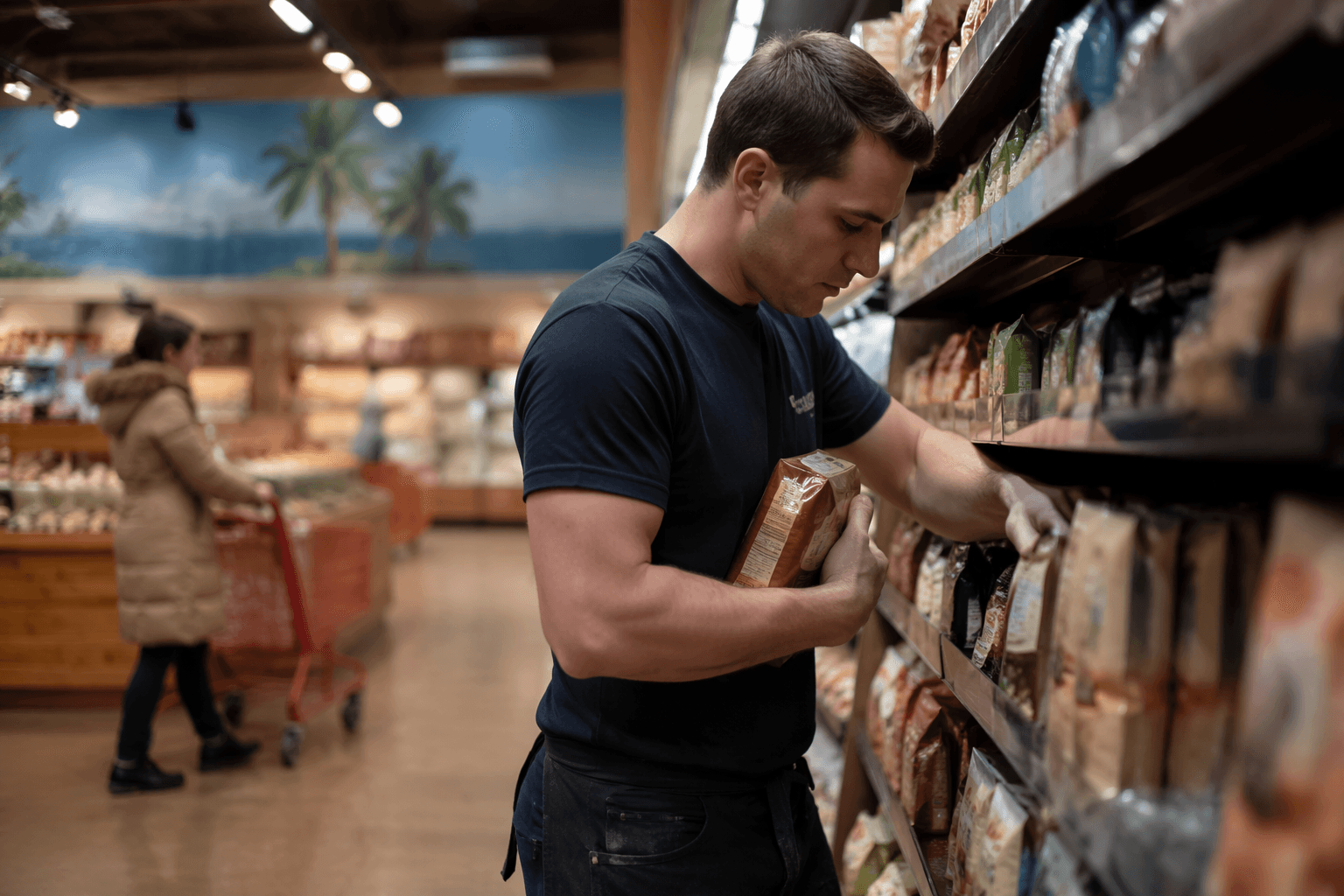
Trader Joe's captain path fits a lean, promote-from-within ladder
Trader Joe’s captain track is less about title and more about taking on staffing, schedules, and store-level judgment. The lean ladder rewards crew leaders who can run the floor like managers.
Trader Joe’s captain path fits a lean, promote-from-within ladder
Trader Joe’s does not treat its top store job like a distant office role. The Captain is always promoted from within, and that matters because the job is built around running the store from the floor, not managing it from behind a desk. For crew members looking at the next step, the real signal is simple: influence grows fastest when you can help with hiring input, scheduling, inventory, training, compliance, and the daily coordination that keeps a busy store moving.
What the captain role actually means
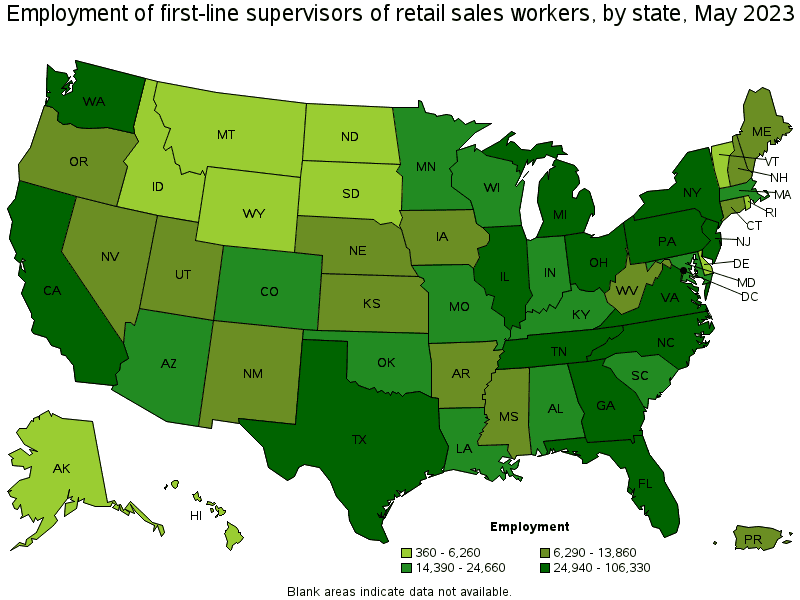
The Bureau of Labor Statistics describes first-line supervisors of retail sales workers as people who directly supervise and coordinate retail staff, often taking on purchasing, budgeting, accounting, personnel work, and other management duties on top of day-to-day supervision. That is a useful framework for understanding what Trader Joe’s is asking from its leaders, because the company says Captains direct strategy and develop the Crew from the store floor, with help from Mates and no back offices inside the store itself.
That setup pushes the role far beyond floor oversight. A strong Captain is not just fixing a display or jumping on register when the line gets long. The job increasingly depends on who can translate company standards into staffing decisions, who can read labor against traffic, who can keep product moving without losing the store’s tone, and who can coach the team without turning every issue into a top-down command.
Why the ladder is so selective
Trader Joe’s says it promotes based on performance, with 78% of Mates starting as Crew and 100% of Captains promoted from the Mate role. That is a very tight internal funnel, and it tells you that the company is not looking for generic retail supervisors so much as proven operators who already know how Trader Joe’s works.
The practical message for crew leaders is that advancement is less about waiting for a title to open up and more about becoming the person managers already rely on. That means showing judgment on the fly, keeping the floor calm during rushes, and making it easier for others to do their jobs. In a chain where the top store leader is expected to direct strategy from the sales floor, trust is the currency that matters most.
How the job fits the wider labor market
The wage picture helps explain why the path carries real weight. The BLS says retail sales workers had a median hourly wage of $16.62 in May 2024, while first-line supervisors of retail sales workers had a median hourly wage of $25.01 in May 2023 and a median annual wage of $52,030. That spread reflects the jump from individual contributor to manager of people and process, not just a higher rung on a ladder.
The broader outlook also suggests why these skills matter. BLS projects about 586,000 openings per year on average for retail sales workers from 2024 to 2034, even though overall employment in that occupation is expected to show little or no change over the decade. At the same time, management occupations are projected to grow faster than average, with about 1.1479 million openings per year on average. In other words, retail may stay churny, but the people who can supervise, coordinate, and stabilize operations remain in demand.
What Trader Joe’s lean structure signals
Trader Joe’s says it has a very small Office Crew in Monrovia, California, and Boston, Massachusetts, supporting merchandising, marketing, operations, human resources, information technology, and finance. That structure matters because it leaves stores with outsized responsibility. When the center is lean, the store leader becomes the main integrator of policy, product, people, and customer experience.

The company also says it opened 34 new stores in 2024 and expected dozens more in 2025. Growth like that increases the importance of internal advancement, because the chain needs leaders who already understand its culture and operating style. For crew members, that means the fastest path upward is likely the one that proves you can keep standards consistent as volume, staffing needs, and merchandising complexity rise.
What skills now matter most
At Trader Joe’s, the skills that separate a good Crew member from a future Captain are less glamorous than they sound, but they are the ones that keep a store functioning. The job increasingly rewards people who can help shape hiring decisions, keep schedules workable, track inventory with discipline, train new hires without slowing the floor, and handle compliance issues before they become problems.
A practical way to think about the ladder is this:
- Hiring input: Know who can handle pace, service, and the company’s customer-first style.
- Scheduling: Understand coverage, breaks, and labor tradeoffs during peak hours.
- Inventory: Spot what is moving, what is missing, and what will strain the floor if it runs out.
- Training: Teach the basics well enough that new Crew can work independently.
- Compliance: Follow procedures closely enough to protect the store and the team.
- Cross-functional coordination: Work smoothly with Mates, Captains, and the lean Office Crew when issues touch product, labor, or store operations.
Those responsibilities are the hidden language of advancement. If a crew leader can make the day run smoother for everyone else, that person is already doing part of the Captain’s job.
Why the in-store model still matters
Trader Joe’s says it has been transforming grocery shopping since 1967, and its public stance remains firmly focused on the physical store. The company says it does not sell products online and does not offer curbside pickup or delivery. That choice makes the in-store leadership structure even more important, because the customer experience is delivered almost entirely through the people on the floor.
In a business like that, store leaders are not just enforcing rules. They are shaping how the brand feels in real time, one shift at a time. The Captain’s job is to keep the store moving, keep the team aligned, and keep the crew’s recommendations and product curation part of the experience that shoppers come back for.
The labor backdrop is part of the story
The internal promotion pipeline also sits against a more contested labor environment. The National Labor Relations Board record shows an open case against Trader Joe’s in Hadley, Massachusetts, filed June 8, 2022, with an administrative law judge decision issued July 31, 2024, and the proceeding transferred to the Board on November 8, 2024. That makes leadership questions more than a management issue; they are part of how authority, supervision, and workplace culture are being tested in real stores.
Worker advocates, including Trader Joe’s United!, have argued that the company has fought organizing campaigns. Whether you look at it through the lens of labor law or store culture, the message is the same: who gets to lead, how they lead, and how much authority they actually have are now central questions. For crew members aiming higher, that means learning the mechanics of the store is only half the job. The other half is building the credibility to lead people through change without losing the trust that makes Trader Joe’s distinctive in the first place.
This article was produced by Prism’s automated news system from verified source data, official records, and press releases, then run through automated quality and moderation checks before publishing. The system is built and supervised by the people who set the standards it runs under. Read our full AI policy.
Did this article answer your question?