Trader Joe's Crew Relies on Scheduling Tools for Fairer Shifts
Dayforce does not promise ideal shifts, but it gives crew a clearer path to request them. Availability, accrual checks, and trade alerts can make Trader Joe’s schedules feel less random.
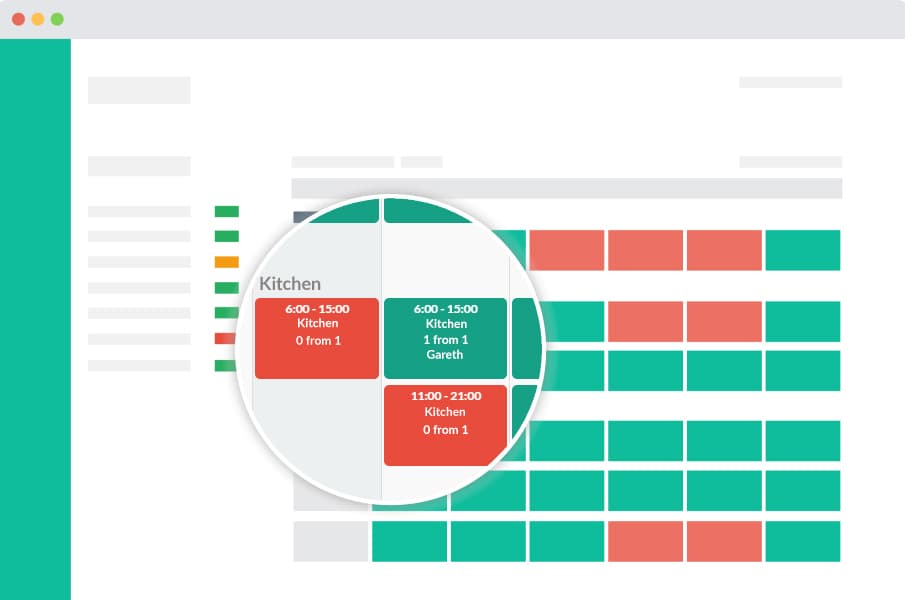
How the system shapes the schedule
Trader Joe’s crew members do not win better shifts by luck alone. In Dayforce, the system starts with availability, moves through time-away requests, and then surfaces shift trades, which makes scheduling less about hallway chatter and more about what the app will actually allow.

That matters in a store culture known for strong pay, tight teamwork, and a premium on reliability. In a business with roughly 600-plus U.S. stores and more than 16,000 employees, scheduling is not a side issue. It is how the company decides who works, when they work, and, in some cases, how much they take home.
Set availability with precision
Dayforce treats availability as the first signal managers see. Crew can specify which days of the week and what times on those days they are available, but the system is clear about one important limit: being available does not mean you will be scheduled for every open hour you list.
That distinction can be frustrating, but it is also useful. If you want a better shot at preferred shifts, the move is not to guess what the manager wants. It is to keep your availability accurate, current, and realistic so the schedule writer is working from the cleanest possible picture of your life.
A good availability setup does three things at once:
- tells the store when you can actually work
- reduces back-and-forth about conflicts later
- helps you avoid accidentally opening yourself to hours you cannot cover
At Trader Joe’s, where each store has to balance customer traffic, product flow, and crew coverage, availability is part request and part guardrail. The more clearly you define it, the easier it is to argue for the shifts that fit your life, even if the system does not guarantee them.
Know the rules before you request time away
The time-away side of Dayforce is where a lot of people get tripped up. The system ties requests to accrued time, and a request can depend on whether you still have enough accrual for the reason you selected. If you have already used up the accrual for that reason, Dayforce will not treat the request as valid in the way you want it to be.
That makes the leave workflow a planning exercise, not a reflex. Before you submit, check the accrual tied to the reason you are using, because a request that looks simple on the front end can run into a hard stop on the back end.
Trader Joe’s 2024 crew handbook revision is especially relevant here because it lays out core workplace rules and benefits, including pay practices, benefit eligibility, safety protocols, and leave procedures. In practice, that means workers are not just navigating a schedule app. They are navigating a policy system that decides whether time off is available, how it is recorded, and what happens when a balance is already spent.
Use shift trades as a fast lane, not a shortcut
Shift trades are the other major lever. Worker accounts say trades are commonly handled in the DayForce app, and they can be offered to the whole crew or to a specific person who is expected to take them. If you work at more than one location, the app can also show a list of available trades across locations, which gives multi-store crew a wider field of options.
That can be a real pressure valve when life changes faster than the schedule does. A doctor visit, a family obligation, or a class conflict does not stop the store from needing coverage, so trade workflows become the bridge between the two.
But the system is not fully free-form. Workers say some managers limit who can swap with whom, which means the app is only part of the equation. If your store uses manager-approved trade rules, the best strategy is to understand those boundaries early, keep your schedule writer in the loop, and watch for notification badges so you do not miss a trade offer sitting in the system.
For crew members trying to shape their week, the lesson is simple: fast response helps. Trade offers can disappear quickly, and the app is designed to surface them for a reason.
Why the details affect take-home pay
At Trader Joe’s, scheduling is not only about convenience. It can affect pay directly. The chain has confirmed an extra $10 per hour for Sunday shifts, which turns a scheduling choice into a wage decision.
That makes the Dayforce workflow more consequential than a basic calendar tool. A Sunday shift can mean more money, but only if you see the opening, can take it, and are able to work it. For hourly workers, especially in a company that already markets itself on above-market pay and crew pride, the schedule is part of the compensation story.
This is also why managers benefit from the system. In a large retail operation, manual text chains and verbal reminders break down fast. The app helps stores reduce ad hoc scramble, keep coverage visible, and make it easier to fill gaps without turning every absence into a crisis.
The broader power question
Trader Joe’s scheduling system sits inside a larger labor moment. Workers at multiple stores have unionized since 2022, and some unionized locations still do not have contracts. In Louisville, Kentucky, Trader Joe’s East has been required to bargain with Trader Joe’s United after the bargaining unit was certified following the January 2023 election fight and later upheld through the National Labor Relations Board process.
That context matters because scheduling is where power shows up in everyday form. Who gets the Sunday premium, who can swap, whose time off is approved, and whose availability is treated as flexible all shape the real workplace more than any slogan about culture.
For Trader Joe’s crew, the practical answer is to treat Dayforce like a rulebook, not a suggestion box. Keep availability current, check accrual before filing time away, and move quickly on trades. In a store built on teamwork, the people who understand the system usually end up with the fairest shot at the shifts they want.
This article was produced by Prism’s automated news system from verified source data, official records, and press releases, then run through automated quality and moderation checks before publishing. The system is built and supervised by the people who set the standards it runs under. Read our full AI policy.
Did this article answer your question?