Trader Joe’s explains how its store leaders rise from within
Trader Joe’s store leaders are built from the sales floor, not dropped in from corporate. The real ladder runs Crew to Mate to Captain, with the biggest leverage still sitting in the store.

How Trader Joe’s leadership actually works
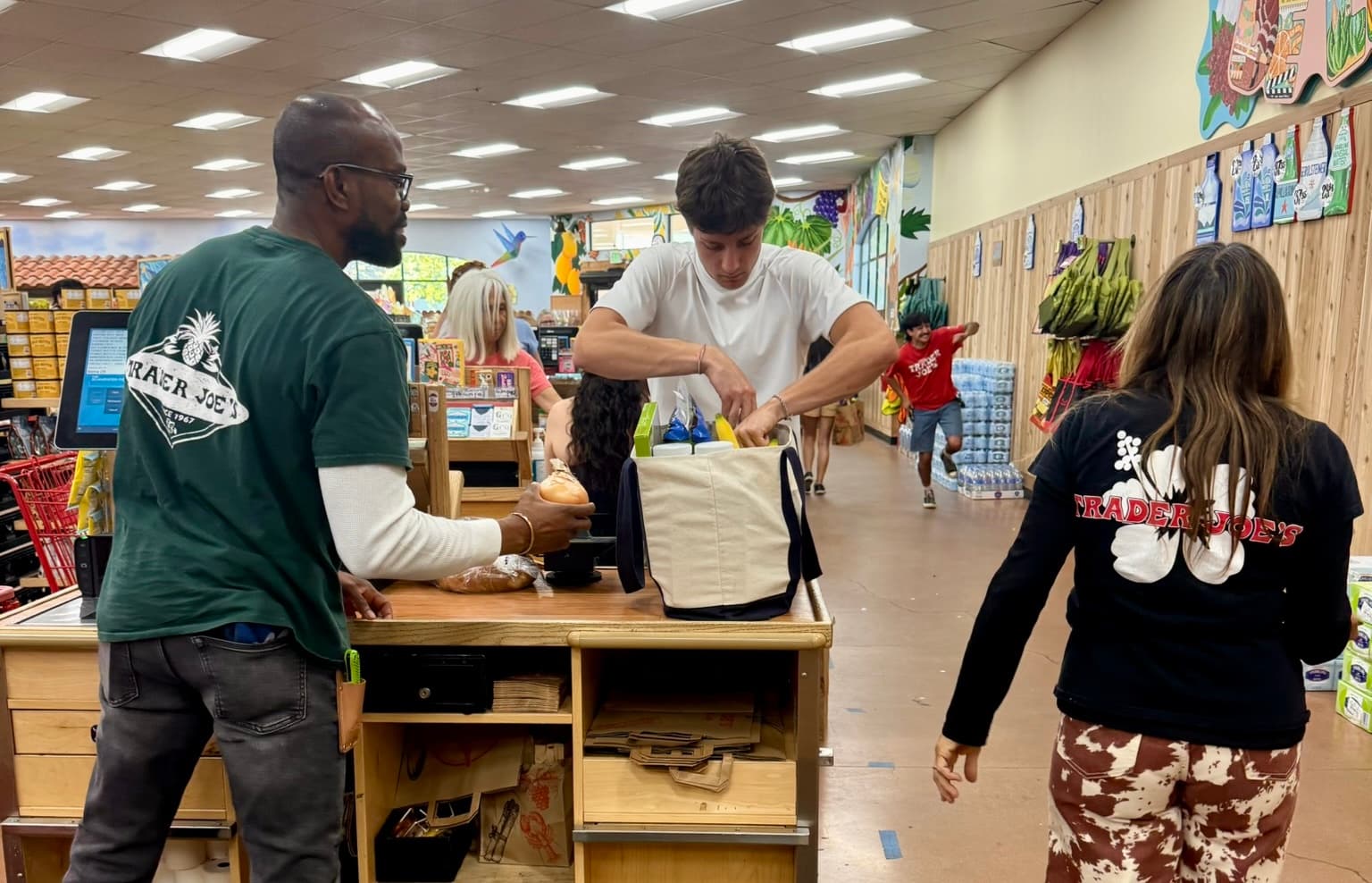
Trader Joe’s does not sell its store leadership as a distant corporate ladder. It says the Captain is always promoted from within, specifically from the Mate role, and that Captains lead with the help of a team of Mates. The company also says they do it all from the floor of the store, with no back offices. That is more than a quirky line in a careers page. It tells you where power sits in a Trader Joe’s store: close to the sales floor, close to the crew, and close to the pace of the day.
For workers, that setup can mean faster decisions and more visible managers. If a display needs rebuilding, a product is running low, or the floor is getting slammed, the person with authority is supposed to be in the middle of it, not hidden away upstairs. The upside is autonomy and direct feedback. The hard part is that store leaders are carrying a lot at once: developing Crew, directing strategy, and keeping the floor moving without a large behind-the-scenes staff.
The promotion path is the point
Trader Joe’s is unusually explicit about its internal pipeline. The company says 78% of Mates started as Crew, and 100% of Captains were promoted from the Mate role. That makes the company’s “promote from within” language more than a slogan. It is the operating model, and it shapes how Crew members can think about a long run with the chain.
In practical terms, that means performance in the store matters. Trader Joe’s says Crew members receive performance reviews twice a year and, on average, have the potential to receive a 7% annual pay increase. For employees trying to map a path forward, those numbers matter because they suggest the company is not only watching for technical retail execution, but also for consistency, judgment, and the ability to earn trust over time.
The company’s broader employee-development toolkit reinforces that point. Trader Joe’s says it offers leadership training, scholarship programs, disaster recovery support, store tastings, employee assistance programs, and relocation or transfer options. Put together, those pieces show a system that is designed to keep people inside the company as they move up, rather than forcing them to leave and come back with a higher title.
What crew members can shape, and what they cannot
Trader Joe’s gives store teams a lot of room to work, but not unlimited freedom. The lean structure matters here. The company says its Office Crew is based in Monrovia, California, and Boston, Massachusetts, and that the office team is small. That leaves most customer-facing decisions and day-to-day problem solving to stores and regional structures instead of a big central bureaucracy.
In a real shift, that can be a blessing and a burden. Crew members often get more room to solve problems in the moment, suggest improvements, and earn notice for how they handle the floor. But the same setup means store leaders carry real pressure because they are expected to keep standards high without leaning on a large support staff. The chain’s model depends on leaders who can balance speed, service, merchandising, and morale while staying visible enough that the crew can actually see how decisions get made.
That is one reason Trader Joe’s store culture feels different from a standard supermarket chain. The company frames its stores as neighborhood locations and says it has been transforming grocery shopping into a “welcoming journey full of discovery and fun” since 1967. That customer promise only works if the leadership model stays close to the action. The people guiding the store are expected to live the same pace as everyone else on the floor.
Why the history still shapes the workplace
Trader Joe’s current structure makes more sense when you look at where it came from. Joe Coulombe opened the first Trader Joe’s in 1967 in Pasadena, California, after managing Pronto Markets in the 1950s. He retired in 1988, but the company still presents itself as a national chain of neighborhood grocery stores with a culture built around internal growth and visible leadership.
That history matters because the store-level hierarchy is not just a staffing choice. It is part of the brand identity. The nautical language, the floor-based management style, and the internal promotion emphasis all connect back to a company that built its reputation on being a little different from the rest of grocery retail. For current employees, that can translate into pride in a culture where managers are expected to understand the grind because they came through it.
The pay and benefits package tells you what the company values
Trader Joe’s also backs up its internal-promotion story with a benefits structure that is meant to keep people around. The company says Crew members can receive up to a 20% store discount. Eligible Crew members can get medical, dental, and vision coverage with contributions as low as $25 per month. Paid time off accrues with tenure and has no cap.
Those details matter because they show the company is trying to make the job more durable than a short stint in retail. A twice-yearly review cycle, potential annual pay growth, and uncapped vacation accrual create a message that long-term service has value. For employees, that can make the difference between a temporary job and a career path. For managers, it raises the standard: if the company is asking people to stay and grow, the store has to provide the kind of development that makes that believable.
Expansion makes the internal ladder even more important
The promotion model matters even more as Trader Joe’s keeps adding stores. In late March 2026, the company said it planned to open more than 20 stores that year, had already opened two locations in 2026, and had announced plans for 17 new stores so far that year. Grocery Dive reported that Trader Joe’s started 2025 with 579 stores across 42 states and Washington, D.C., and that the company opened 34 stores in 2024.
That kind of growth puts pressure on a company that says every Captain comes up from the Mate role. New stores need experienced leaders quickly, and the easiest way to supply them is to keep building from inside. The more Trader Joe’s expands, the more its career system has to function not as branding, but as operational necessity.
For employees inside the chain, that is the real takeaway. Trader Joe’s still runs on a model where the sales floor is the center of gravity, the office is lean, and leadership is supposed to be earned in plain sight. The company’s promise is that a strong Crew member can become a Mate, and a strong Mate can become a Captain. The reality of working there is that every shift is part of that test.
Know something we missed? Have a correction or additional information?
Submit a Tip