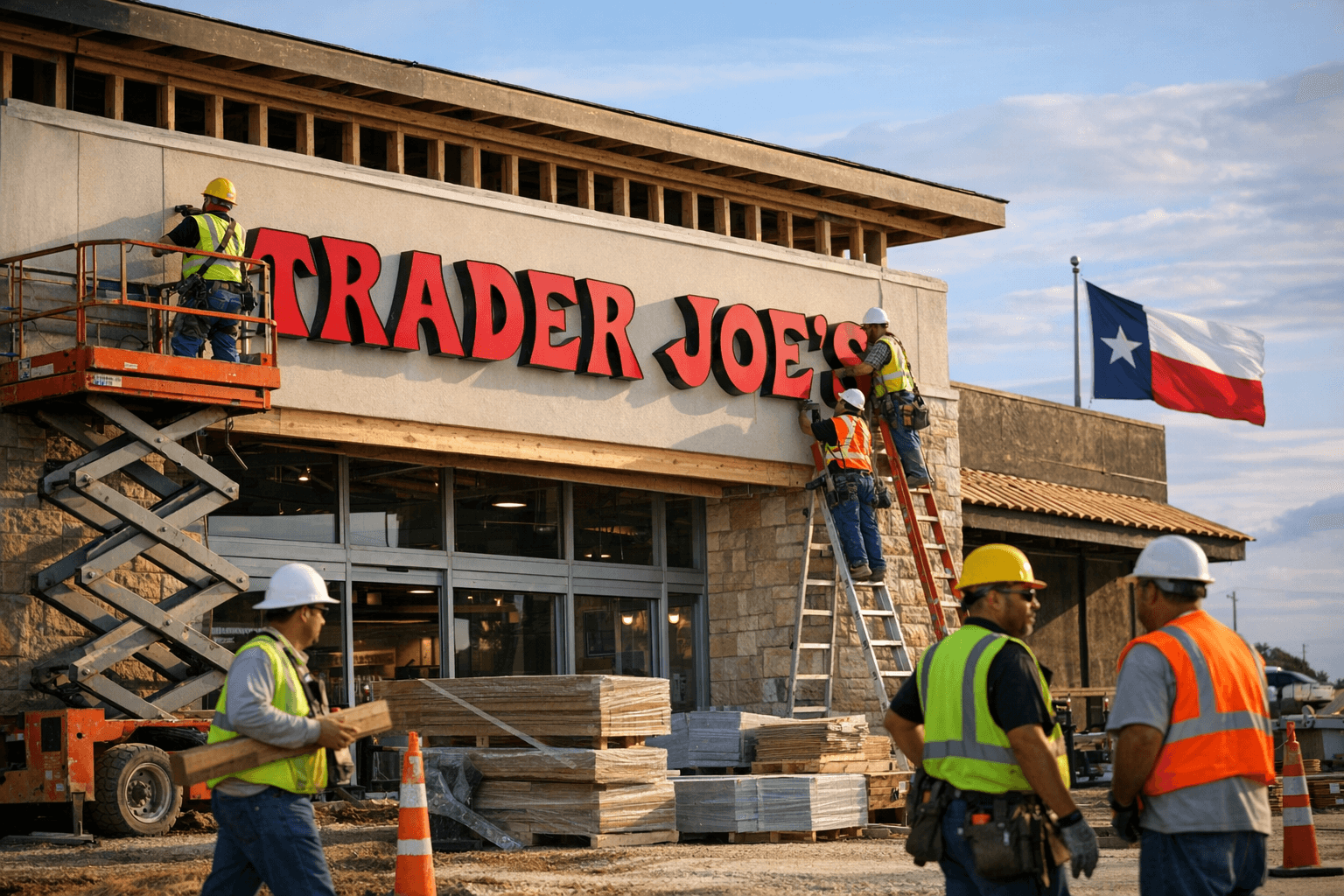
Trader Joe’s faces false advertising lawsuit over low-caffeine coffee claims
Trader Joe’s is facing a new suit over its French Roast Low Acid Whole Bean Coffee, with shoppers saying the label hid how much caffeine was still inside. The case follows an earlier challenge to the chain’s coffee marketing.
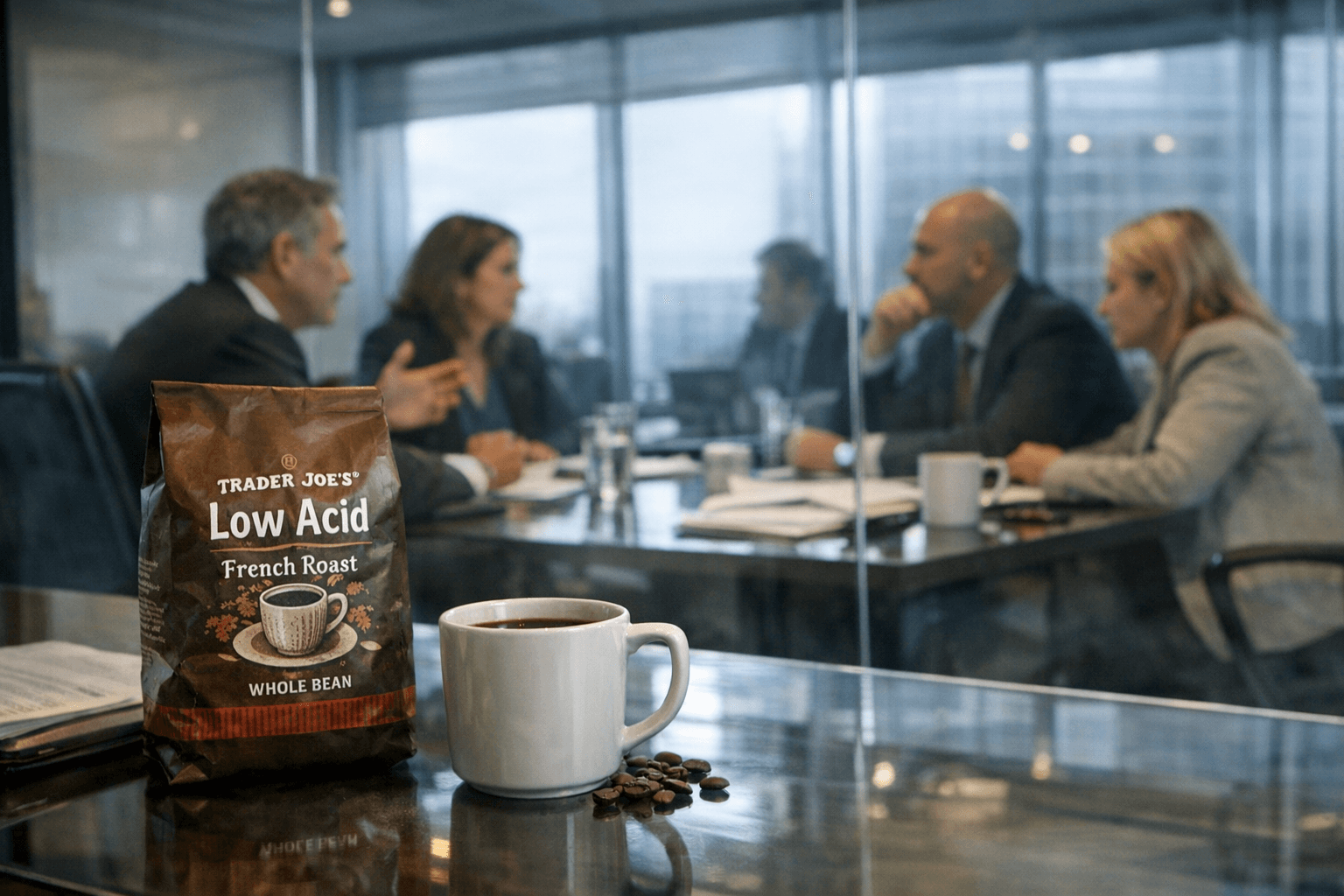
Trader Joe’s coffee labeling is under fresh scrutiny after customers from California, New York and Illinois sued over its French Roast Low Acid Whole Bean Coffee, saying the “low-caffeine” pitch did not match what the product actually delivered. The complaint says tests cited in the suit found the coffee contained about 51% of the caffeine in Trader Joe’s Dark French Roast coffee and 45% of the caffeine in Trader Joe’s House Blend coffee, a level plaintiffs argue shoppers would reasonably expect to be disclosed on the front label.
That matters on the sales floor, where a label like “low acid” can also signal something else to customers looking for less caffeine, fewer jitters or a gentler cup. The lawsuit argues that ordinary shoppers cannot easily verify caffeine content without scientific testing, and says reduced-caffeine coffee is usually labeled more plainly, such as decaf or half-caff. If those assumptions spread beyond the courtroom, crew members could face more questions at the shelf about what the bag actually means and whether the chain’s product descriptions are giving shoppers enough to trust.
The plaintiffs are seeking monetary damages and want a federal judge to order Trader Joe’s to audit and reassess prior customer claims tied to the coffee. Trader Joe’s did not immediately respond to the request for comment. For a chain that has built a lot of loyalty on product curation and store-brand trust, the fight is less about a single bag of beans than about whether shoppers feel they are getting a straightforward explanation of what is in it.
The new case lands less than a year after another Trader Joe’s coffee dispute. In March 2025, Puroast Coffee Co. sued the chain in federal court in South Florida, accusing Trader Joe’s of misleading customers with low-acid claims on coffee that was also challenged as not fully caffeinated. Puroast CEO Kerry Sachs said low-acid coffee is increasingly sought by people with acid reflux or other digestive concerns, and the company said its own coffee tested at an average pH of 5.84, while arguing that true low-acid coffee should register above 5.5.
Taken together, the two lawsuits put Trader Joe’s coffee messaging in a sharper spotlight. One case challenges acidity claims; the other targets caffeine claims. For shoppers, the issue is simple: if a bag says low something, they want to know exactly how low, and whether the label is telling the whole story before the next cup is poured.
Know something we missed? Have a correction or additional information?
Submit a Tip