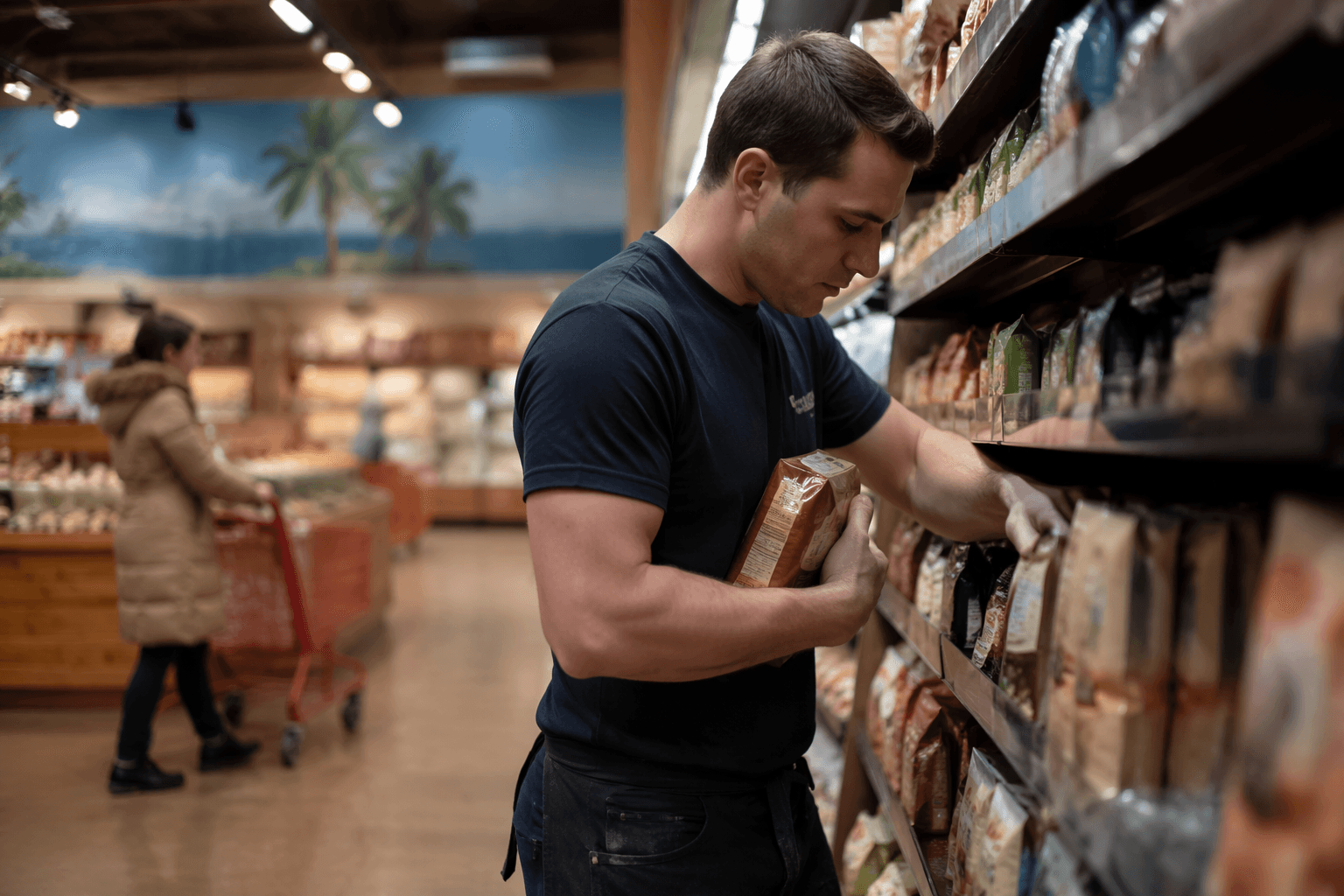
Trader Joe's March 2026 Product Drop Brings New Stocking, Crew Challenges
About a dozen new items hit Trader Joe's floors the week of March 23, including Unexpected Cheddar Snackers and toaster waffles, with front-loaded demand testing Crew readiness.
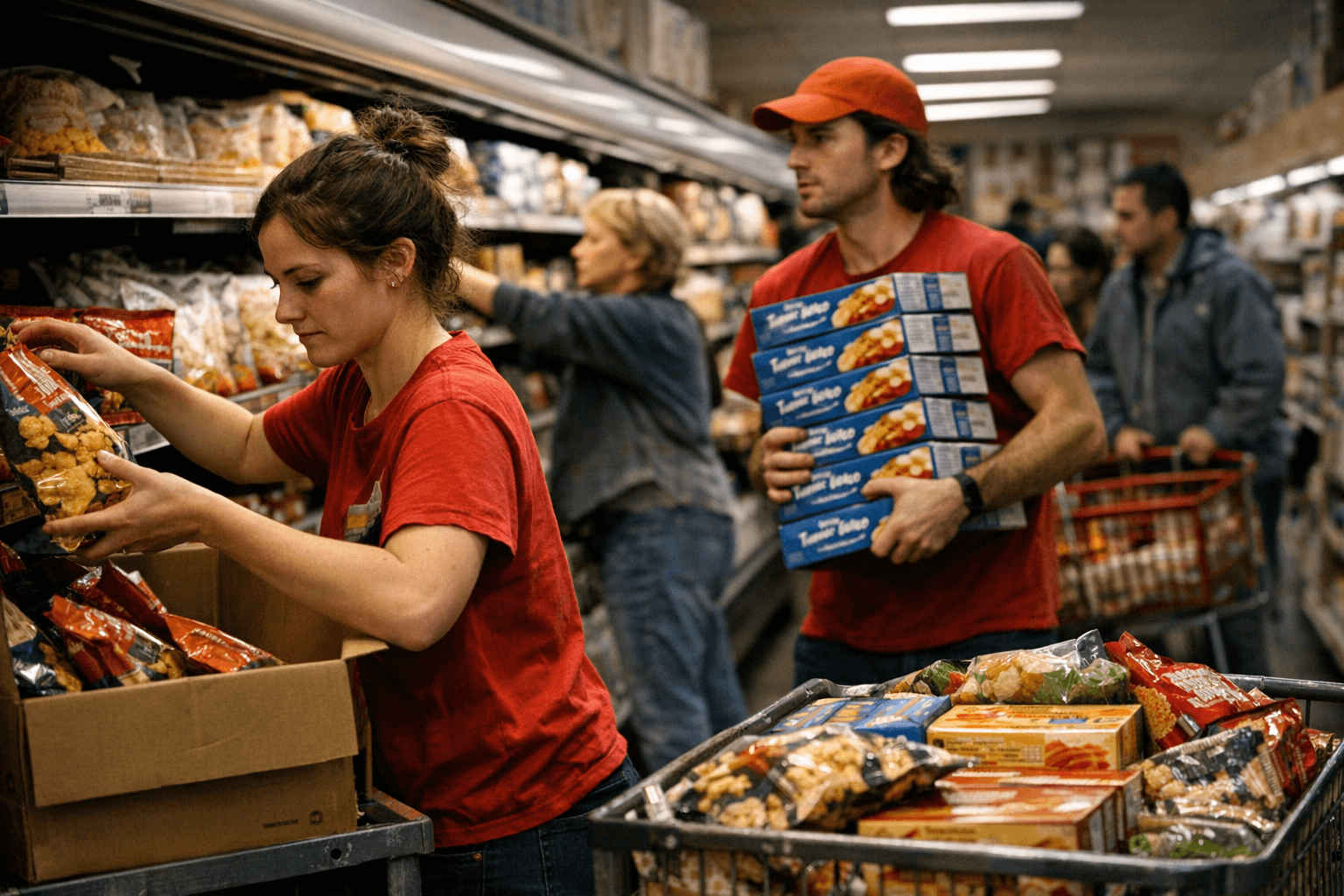
About a dozen new products landed on Trader Joe's floors during the week of March 23-29, including Unexpected Cheddar Snackers variations, toaster waffles, and a run of seasonal cheeses, each one carrying its own receiving, stocking, and customer-service demands that extend well beyond unpacking a box.
The March drop is designed to refresh floor sets and give Crew fresh talking points with customers, but the operational lift is real. The first priority for stores receiving any of the new items is confirming receiving codes and shelf tags before product hits the floor. A missed code means mis-scans at the register, a headache that compounds quickly when velocity is high in the opening days of a publicized drop.
Placement decisions matter just as much. For items that corporate guidance or regional trends flag as high-velocity, managers should consider endcap or power-alley positioning. Where demos are permitted and practical, allocating dedicated sample staff in the first week accelerates trial and pulls customers toward items they might otherwise walk past.
The product mix creates split handling requirements. Toaster waffles move through the freezer section, seasonal cheeses belong in refrigerated sets, and any ambient items need shelf rotation on a different cycle. Getting those assignments right early is especially important for frozen seasonal items, which can strain cooler and freezer capacity if receiving hits in concentrated waves during the first two weeks.
Front-end Crew need product knowledge before customers start asking. Briefing cashiers and floor staff on ingredients, heating instructions, and allergen information for each new item cuts the queue-slowing back-and-forth that follows any high-profile drop. Trader Joe's has a well-established reputation for rotating its SKU lineup, so Crew should stay on script: avoid telling customers an item will be restocked unless corporate has confirmed it. When something sells through fast, pointing shoppers toward the Discontinued Product feedback process or a comparable item keeps the interaction positive without making promises the store can't keep.
Managers should plan for a front-loaded sales curve over the first 7 to 14 days. That means temporary schedule adjustments, specifically extra morning and evening coverage, a short-term increase in floor-to-register float staffing, and clear seasonal-availability signage before the inevitable "are you getting more of these?" questions begin.
The business case for investing in Crew product knowledge is straightforward: staff who can speak confidently about new items drive add-on sales, shorten cashier question time, and improve the overall floor experience. For managers, the March window is also a data-gathering opportunity. Placement experiments and velocity tracking now will sharpen allocation decisions when the next seasonal round arrives, and Crew who execute clean, well-staffed openings are worth recognizing for it.
This article was produced by Prism’s automated news system from verified source data, official records, and press releases, then run through automated quality and moderation checks before publishing. The system is built and supervised by the people who set the standards it runs under. Read our full AI policy.
Did this article answer your question?