Trader Joe’s Masonic Store Used as Cleanup Meeting Point, Straining Operations
A community cleanup used the Trader Joe’s at 3 Masonic Ave as a meeting point on Jan. 20, straining crew operations and customer flow.
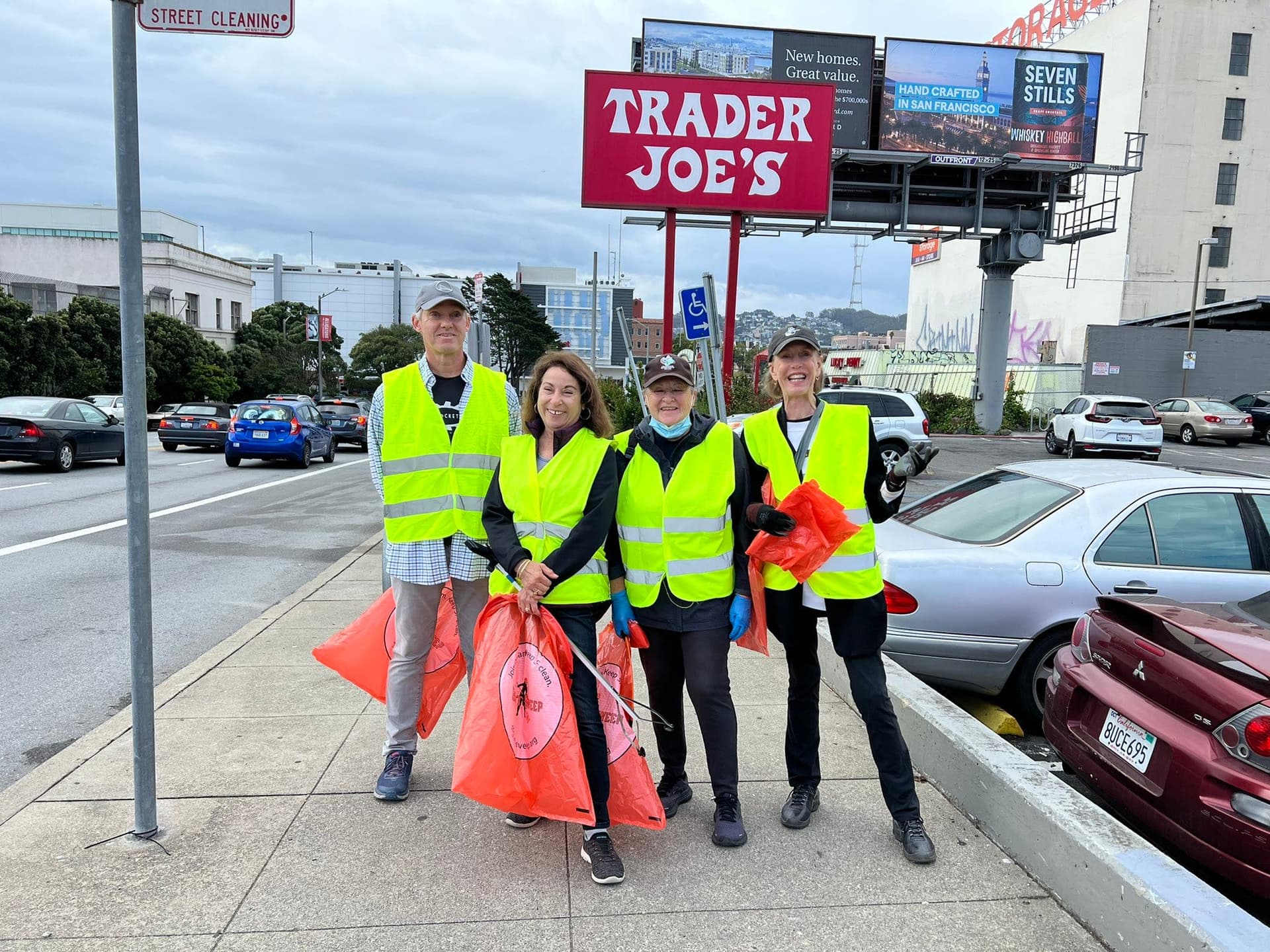
Volunteers for a neighborhood street cleanup met on the sidewalk outside Trader Joe’s at 3 Masonic Ave, San Francisco on Jan. 20, using the storefront as a staging area and creating short but notable operational challenges for the store’s crew. The mobilized effort asked volunteers to convene at 9:30 a.m., pick up supplies and form crews for a roughly 90-minute cleanup organized through a local Mobilize page.
Trader Joe’s crew faced overlapping demands during the window surrounding the cleanup. Volunteers arriving before store opening and neighbors gathering near entrances concentrated activity on the sidewalk and storefront, complicating entry flow and customer service. Parking and curb space near the location also saw temporary pressure as volunteers assembled, which can ripple into deliveries and customers looking for quick in-and-out trips.
The planning notice for the event explicitly referenced the Trader Joe’s location as the meeting point and acknowledged that neighborhood events sometimes intersect with store operations. For crew members on duty, those intersections translate to additional responsibilities at peak moments: managing doorways, rerouting customers, monitoring carts, and handling questions from volunteers and residents while keeping registers staffed and shelves stocked. Those duties occur during a tight timeframe - the cleanup was intended to last about 90 minutes - leaving little margin for error.
Such incidents highlight ongoing tensions that neighborhood-oriented stores regularly negotiate. Trader Joe’s locations often operate with compact footprints and rely on predictable entry patterns to maintain service pace. When a public event concentrates people at the door, crew members must balance community engagement with safety, ADA access, and the chain’s customer-service standards. The temporary influx can also disrupt scheduled deliveries or lead to short-term congestion in nearby bike lanes and crosswalks, increasing the workload for staff tasked with on-the-fly problem solving.

For employees and workers, the incident underscores why clear lines of communication between community organizers and store management matter. Advance coordination can prevent volunteers from congregating directly at customer entry points, set alternative staging areas, and allow crews to plan for staffing adjustments during the event window. For organizers, choosing a nearby but nonobstructive meeting spot preserves neighborhood partnership while minimizing strain on business operations.
As community-led projects continue to use neighborhood storefronts as convenient anchors, managers and crew will likely need clearer protocols for handling short-term gatherings. Expect stores and local groups to refine coordination in coming weeks to reduce friction, protect access for customers, and keep crew workloads predictable during neighborhood events.
This article was produced by Prism’s automated news system from verified source data, official records, and press releases, then run through automated quality and moderation checks before publishing. The system is built and supervised by the people who set the standards it runs under. Read our full AI policy.
Did this article answer your question?