Trader Joe’s Must Navigate Patchwork Fair Workweek Laws Across Jurisdictions
Trader Joe’s faces a patchwork of fair-workweek rules that require advance notice, predictability pay, rest periods, and hiring estimates, affecting schedules and pay for crew.

Retail predictive-scheduling and fair-workweek laws now vary widely across U.S. cities and states, and that legal patchwork has direct implications for Trader Joe’s scheduling, payroll, and store-level managers. Municipal ordinances and a growing number of state laws set advance notice windows, penalties for late changes, minimum rest periods between shifts, and hiring-time estimates that retailers must follow when they operate in multiple jurisdictions.
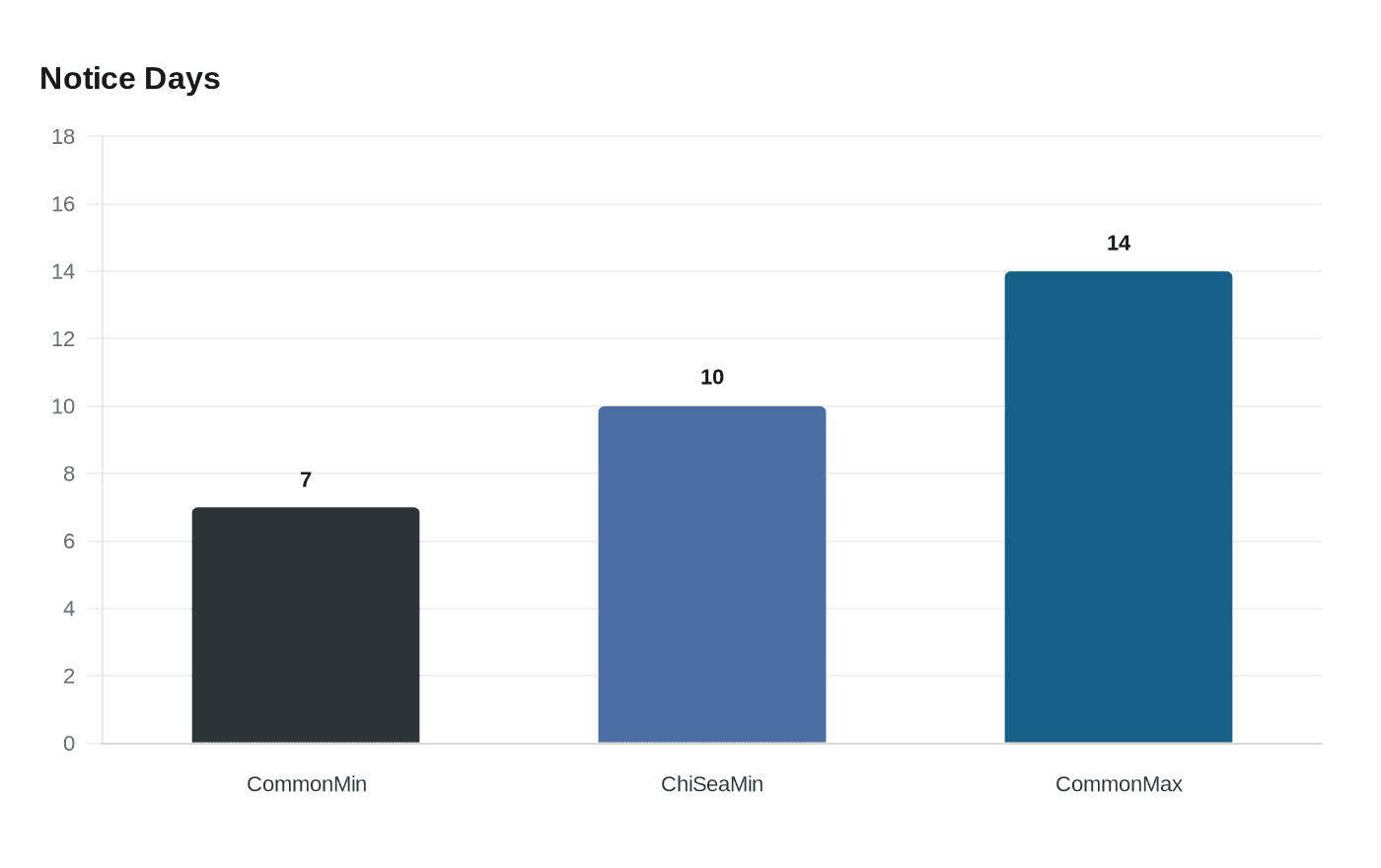
Key features of these rules include advance notice windows commonly ranging from 7-14 days, so a schedule posted within that period can trigger predictability pay or other penalties. New York City and San Francisco require schedule notice and predictability pay in many retail settings. Chicago and Seattle typically require 10-14 day notice and include rest-period protections. Oregon has enacted a statewide Fair Workweek law, extending similar requirements across that state. City-level ordinances can apply to chains that meet size thresholds, meaning a Trader Joe’s chainwide policy will not be sufficient unless it also aligns with local municipal code.
For crew members, the practical effects are tangible. Employees covered by these laws may be entitled to additional pay when a shift is changed with less than the required notice. Where minimum rest periods are mandated, workers may be permitted to refuse shifts scheduled with insufficient recovery time between them. Some jurisdictions require employers to provide a good-faith written estimate of expected hours at hiring, which affects part-time and variable-hour crew who rely on posted estimates to plan child care or second jobs.
For captains, mates, store managers, and HR, compliance requires granular tracking of local ordinance language and triggers. Scheduling tools should embed local notice windows, automatic predictability-pay calculations, and rules for rest periods so that last-minute edits do not create wage exposure. Training for captains and store-level managers on notice rules, pay triggers, and how to document good-faith estimates will reduce disputes and the risk of fines or administrative penalties.
Noncompliance can create payroll liabilities, administrative penalties, and crew grievances that strain on-the-floor relations. The trend of city and state actions suggests more municipalities may consider similar action, increasing the complexity for chains with geographically diverse footprints.
What this means for Trader Joe’s crew and managers is straightforward: expect more legal variation where you work, and for scheduling and payroll systems to become the primary defense against costly mistakes. Employers should review local municipal code and legal counsel to map obligations by store location, while crew should track posted notice windows and hiring estimates to know when extra pay or refusal rights apply.
This article was produced by Prism’s automated news system from verified source data, official records, and press releases, then run through automated quality and moderation checks before publishing. The system is built and supervised by the people who set the standards it runs under. Read our full AI policy.
Did this article answer your question?