Trader Joe’s new-products page reveals the pressure behind constant change
Trader Joe’s new-products page is a merchandising clue and a labor map: every novelty drop adds resets, signage swaps, and customer questions.
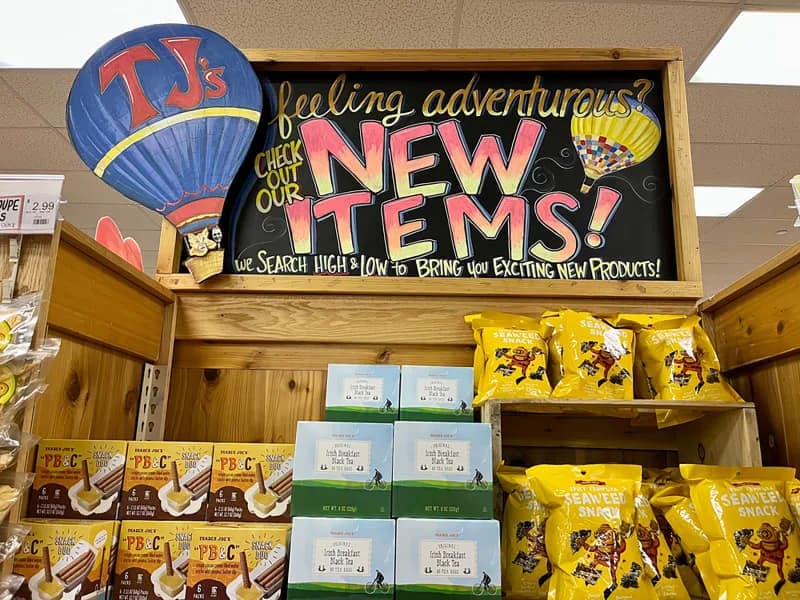
Shelf resets, sign changes, and a steady stream of questions follow each product that lands on Trader Joe’s “What’s New” page. Every burst of novelty forces crews to answer whether an item is seasonal, limited, or likely to come back.
What the page really signals
Trader Joe’s keeps new items inside a dedicated Products area, with a specific “What’s New” page built to spotlight them. That setup fits the company’s self-description as a national chain of neighborhood grocery stores committed to outstanding values and high-quality products. Discovery is not an add-on to the brand; it is part of the selling point, and the site’s Stories area, Product Hall of Fame, and Inside Trader Joe’s podcast all reinforce that same idea.
A store built around discovery has to keep translating change into a smooth shopping trip. The floor has to stay organized while the assortment keeps moving.
Why novelty changes the workday
Crew members create a warm and friendly shopping experience, answer questions, offer suggestions, and make sure customers feel welcomed and cared for. The job also includes working on teams, operating the register efficiently, bagging groceries with care, and stocking shelves. Put those pieces together, and the “What’s New” cycle looks less like marketing and more like daily labor.
New products create a specific kind of customer pressure. Shoppers want recommendations, pairings, and quick comparisons to older favorites, especially when an item feels seasonal or has a cult following. Crew members who know the new-products page well can save time on the floor and keep lines, aisles, and conversations moving.
There is also the physical reset. New items often arrive in bursts, and each wave has to be fit onto shelves without making the floor feel cluttered or confusing. If the rollout is messy, the store loses the easy-browsing feel that Trader Joe’s depends on; if it is tight, the change reads as part of the store’s rhythm.
The churn is bigger than it looks
The scale of that churn shows up on the company’s podcast. In an episode about holiday shopping, Trader Joe’s highlighted 16 items. In a recent Inside Trader Joe’s episode, the specialty grocer put its seasonal offerings for that year at 469, including 86 new items, a figure later summarized by Supermarket News.
Crew training cannot stop at a few hero products, because the mix is constantly shifting, especially around seasonal promotions and holiday sets. Every new item can bring a new shelf label, a new talking point, and a new explanation for shoppers who are trying to decide whether to grab it now or wait for a return.
What managers have to get right
Product quality, freshness, and value sit at the center of Trader Joe’s pitch. In another episode, the company shared sneak peeks into new refrigerated-case items coming very soon. The brand promise is tied to freshness and surprise, but those promises only work if the rollout is clean.
For the people running a store, the job is to balance receiving, shelf execution, and communication between leadership and crew. A new item going live without enough prep can make the floor feel chaotic. The same item, set up with the right signage and enough hands on deck, reinforces the store’s reputation for curation rather than confusion.
That tension is especially visible in a company with strong crew culture and above-market pay, where the work is expected to feel more personal than a standard grocery job. The pace can become unforgiving when launch weeks are heavy or training is thin.
Why the page matters for crew
Instead of endless choice, the chain rotates a tightly curated set of products that are meant to create conversation, repeat visits, and a sense of discovery. That is also a workload strategy, because every new product creates more stocking, more customer education, and more chances for the floor to slip out of sync.
Trader Joe’s has built a whole ecosystem around that cycle, from its Stories area and Product Hall of Fame to its podcast and transcript archive.
This article was produced by Prism’s automated news system from verified source data, official records, and press releases, then run through automated quality and moderation checks before publishing. The system is built and supervised by the people who set the standards it runs under. Read our full AI policy.
Did this article answer your question?