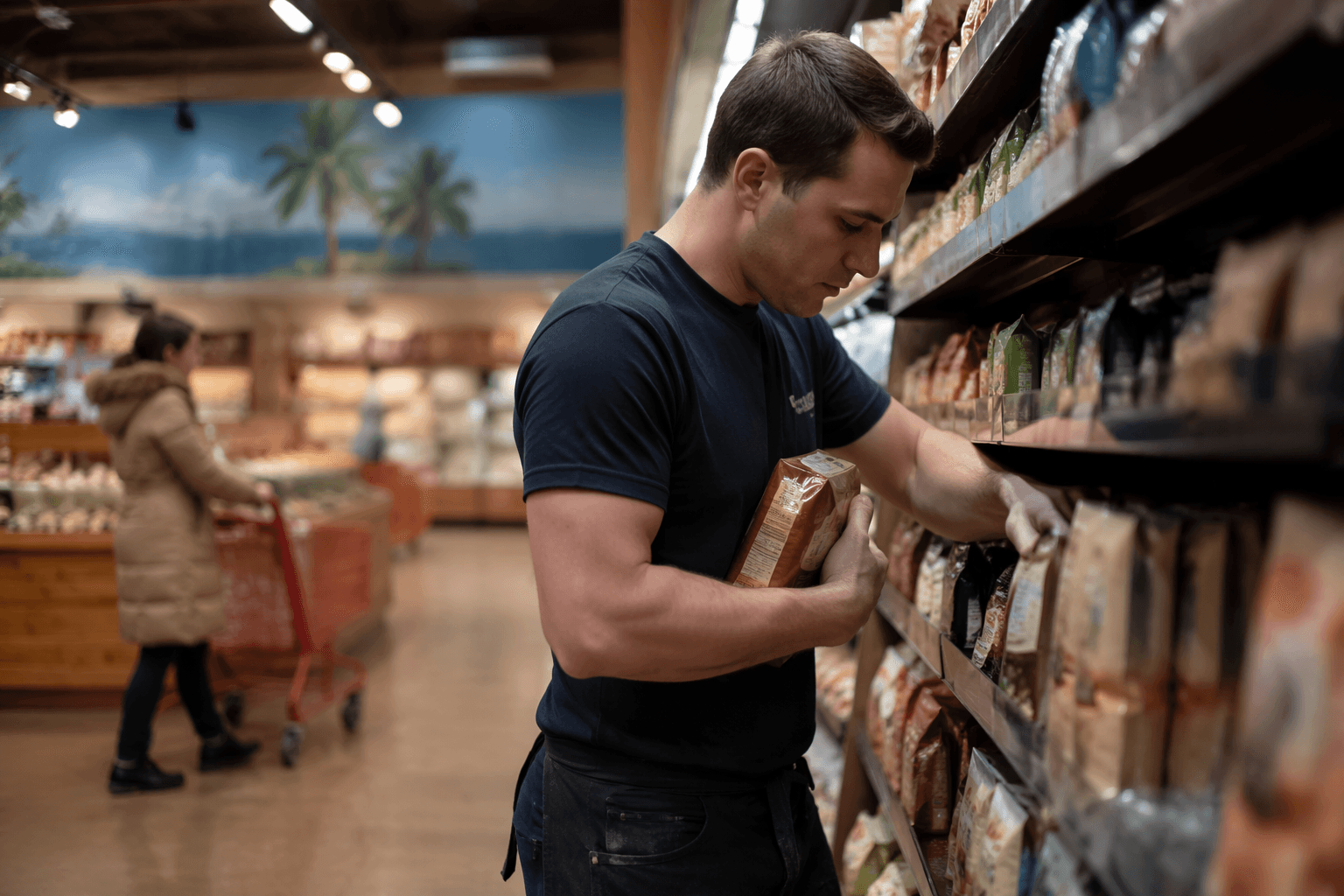
Trader Joe's phases out sell-by dates ahead of California labeling law
Trader Joe’s is swapping out Sell By labels on nearly all packaging, forcing crews to explain a new date system before California requires it.
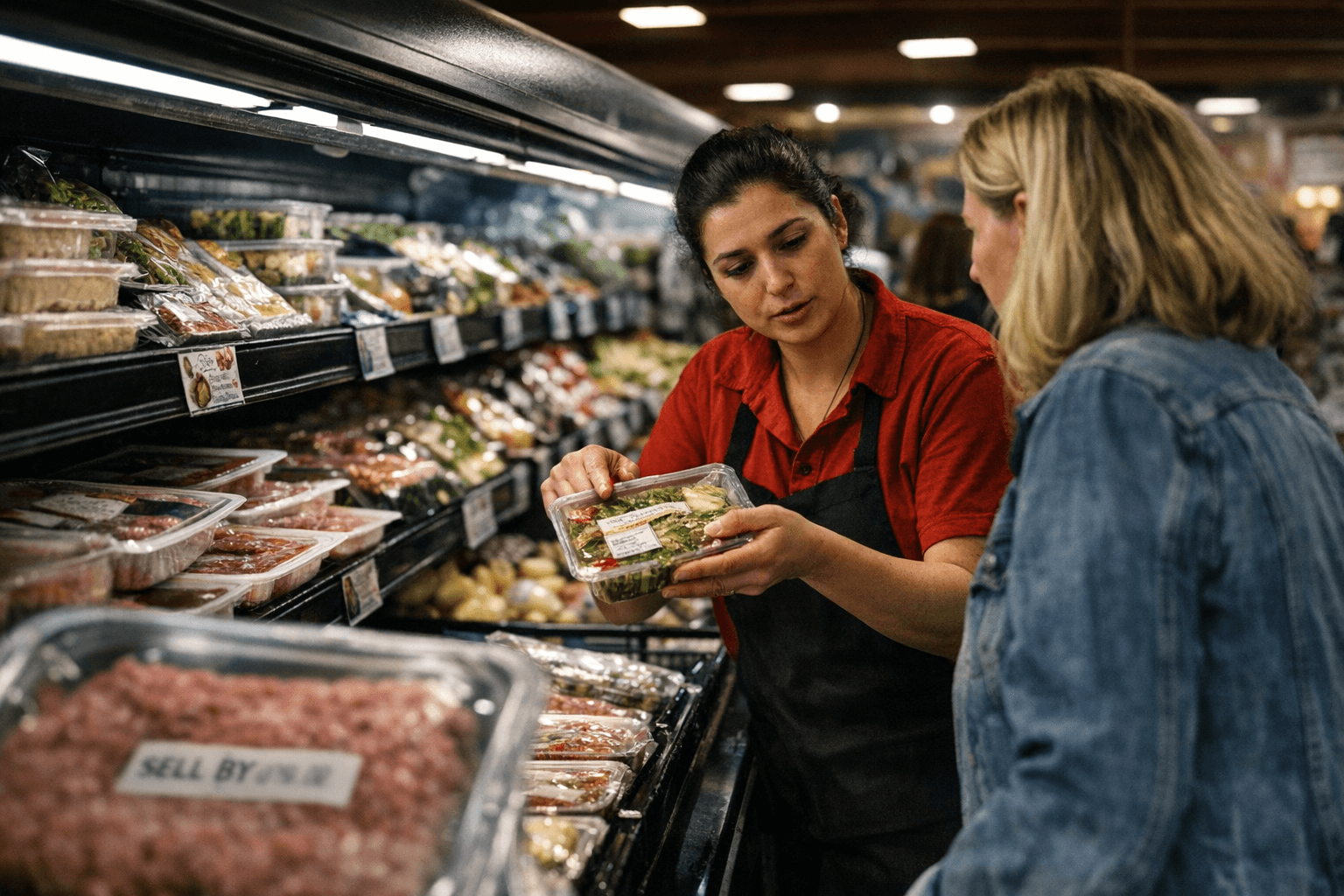
Crew members on the floor will start seeing a different kind of date check on nearly every box, bottle and bag: Sell By is being phased out and replaced with Best If Used By or Use By, a change that will shape how employees answer shoppers, rotate product and decide what gets pulled.
Trader Joe’s told employees about the update in a confidential weekly bulletin dated April 9, and the rollout is being described as immediate and nationwide, even though California’s compliance date is not until July 1, 2026. The change lands squarely ahead of California Assembly Bill 660, the first state law to standardize consumer-facing food date labels in this way.
Under the new California rule, products manufactured on or after July 1, 2026, must use one of four uniform terms. Best If Used by or Best If Used or Frozen by is reserved for quality dates, while Use by or Use by or Freeze by is reserved for safety dates. Consumer-facing Sell By labels are banned, although coded Sell By dates can still be used for retailer stock rotation if shoppers do not see them.
For store teams, the heavy lifting is expected to happen upstream with vendors and warehouse crews, but the changes will still show up where customers notice them most. Crew members who date in-store deli items and bakery products, including thawed smoked salmon and baguettes, will still need to place accurate stickers and keep rotation tight. The shift also means more questions at the shelf from shoppers who are used to reading Sell By as a hard cutoff instead of a quality marker.
That is the point of the California law. The California Department of Food and Agriculture says the measure is meant to reduce consumer confusion and food waste, and the U.S. Department of Agriculture’s Food Safety and Inspection Service has long recommended Best If Used By as the phrase that helps consumers understand dates as quality guidance rather than a safety deadline. FSIS also says product dates are generally not required by federal law, except for infant formula.
The change will apply broadly, including shelf-stable, frozen, refrigerated ready-to-eat, processed produce and health and beauty items with drug facts panels. Milk, eggs, plants, alcohol, household items and unprocessed produce are carved out in the law. Jacqui Irwin, who backed the legislation signed by Gavin Newsom in 2024, framed the shift as a way to connect peak quality with a clearer safety warning when one is actually needed.
For Trader Joe’s, the new labels do more than clean up packaging. They set a more uniform script for crew members to use when shoppers ask whether a product is still good, and they may also soften the waste conversations that happen every day in stores when a familiar date label suddenly looks different.
This article was produced by Prism’s automated news system from verified source data, official records, and press releases, then run through automated quality and moderation checks before publishing. The system is built and supervised by the people who set the standards it runs under. Read our full AI policy.
Did this article answer your question?