Trader Joe's Portland Store Closes After Asbestos Found in Floor During Renovation
Asbestos found in old floor adhesive at 2–3% concentration forced closure of Portland's SE Cesar Chavez Trader Joe's, with decontamination expected to take up to four weeks.
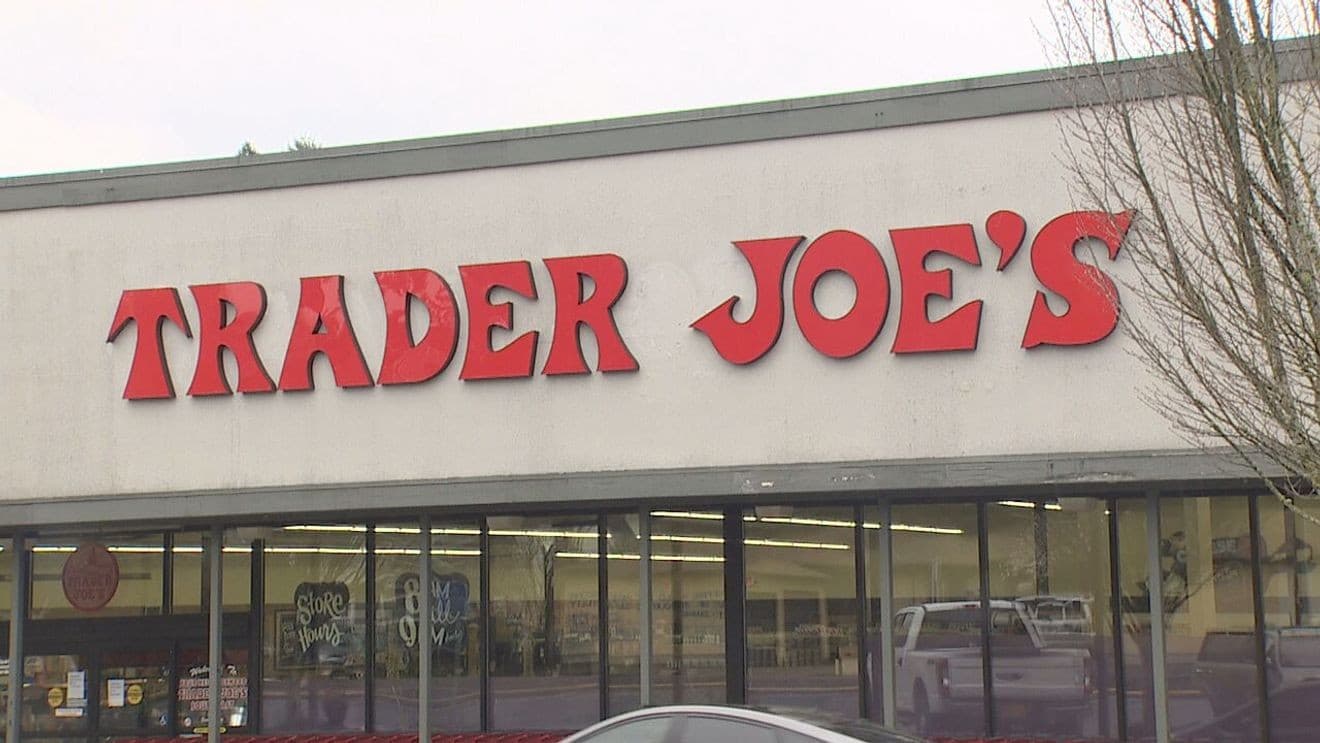
The Trader Joe's at 4715 SE César E. Chávez Blvd. in Southeast Portland has been closed since March 4, when asbestos was discovered in black floor mastic exposed during an ongoing renovation, prompting the Oregon Department of Environmental Quality to order the store shut.
The closure traces back to a renovation project that began Feb. 15. Contractors performed the flooring work overnight after the store closed to customers each night. Before renovation started, a contractor conducted an asbestos survey, but the sampling did not cover all flooring mastic materials, so initial results came back negative. That gap became a problem once the floors were torn up.
DEQ received a complaint about black dust inside the store, along with photos showing exposed flooring coated in black mastic, an older adhesive once commonly used to glue floor tiles that can contain asbestos. The agency asked Trader Joe's whether the mastic had been tested. "We asked Trader Joe's and their contractor, did you sample this mastic material? What is part of your survey? And they confirmed they did not," DEQ public affairs specialist Michael Loch said. "So we asked them to go back and sample that material, which came back positive for asbestos."
Follow-up testing found the mastic contained approximately 2–3% asbestos. Under Oregon regulations, any concentration above 1% requires regulated abatement. DEQ ordered the store closed at approximately 5 p.m. on March 4 and directed Trader Joe's to hire a DEQ-licensed abatement contractor to decontaminate the space.
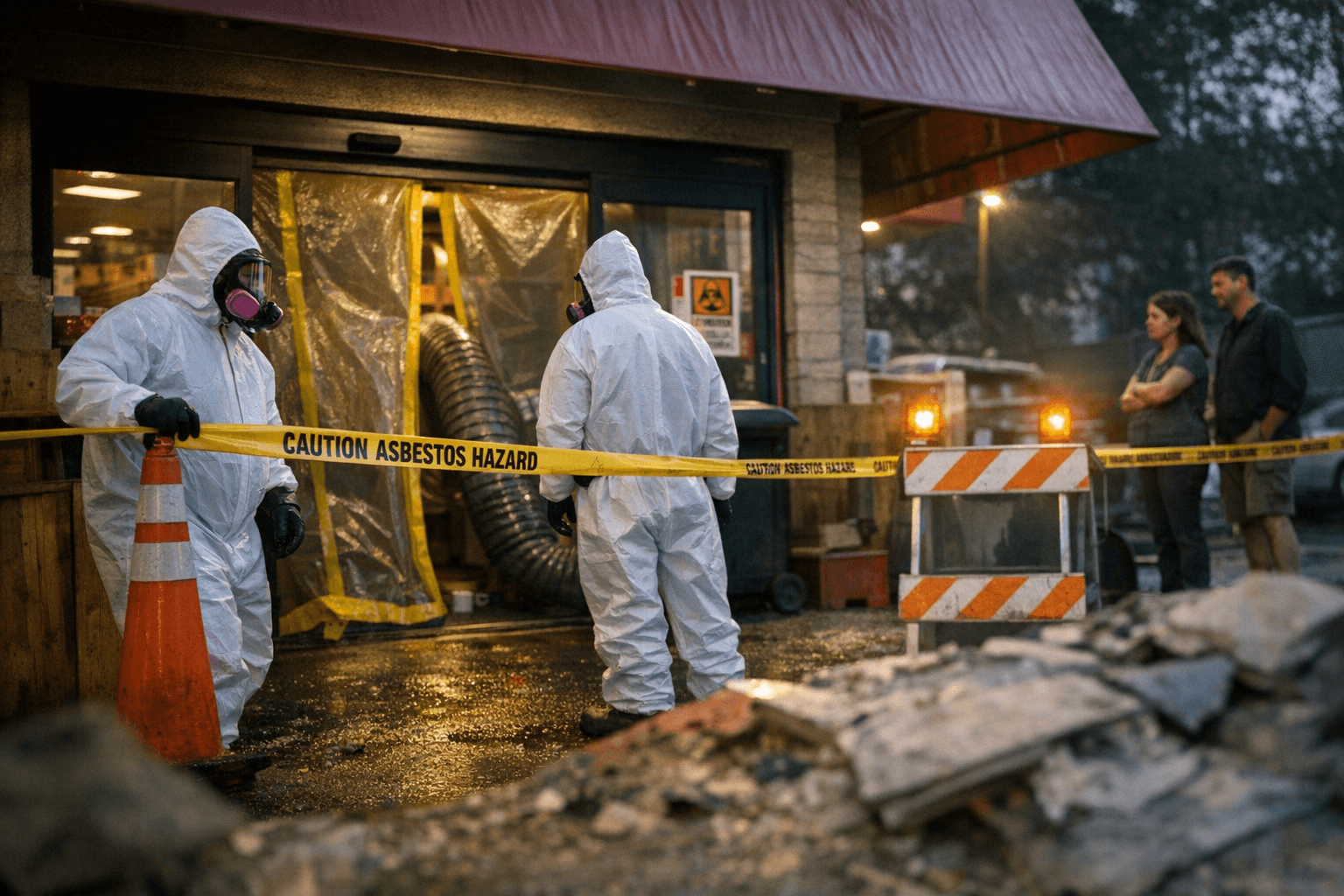
As of March 12, DEQ told reporters the cleanup would take an estimated two to four weeks. "The contractor performing the asbestos abatement work estimates it will take two to four weeks to complete the decontamination and removal of the rest of the mastic material," Loch said. "This is the latest estimate we have, and that could change as work progresses." Once decontamination is finished, DEQ will evaluate air monitoring and sampling results before clearing the store to reopen. What comes after that, including restocking and preparing the store for customers, falls outside DEQ's authority. "That part of the question is more appropriate for Trader Joe's to answer," Loch said. Trader Joe's media email did not respond to a request for comment.
Health officials from the Oregon Health Authority and Multnomah County Health Department have said the risk to shoppers and employees is low. "We want to reassure the community that if they recently shopped in the store, there is not a significant health threat; short-term asbestos exposure carries an incredibly low health risk," said Andrea Hamberg, director of Multnomah County Environmental Health Services. OHA toxicologist David Farrer acknowledged a narrow edge case: "It is possible that there could have been some asbestos-containing dust in very small amounts on some of the produce that people might have brought home." Health experts noted that serious asbestos-related illness typically results from prolonged, high-level exposure, not brief contact at low concentrations.
The Oregon Occupational Safety and Health Division has opened a separate investigation to evaluate potential worker exposures during the renovation period. No findings from that investigation have been released.
This article was produced by Prism’s automated news system from verified source data, official records, and press releases, then run through automated quality and moderation checks before publishing. The system is built and supervised by the people who set the standards it runs under. Read our full AI policy.
Did this article answer your question?