Trader Joe’s settles $7.4 million lawsuit over receipt card-digit exposure
Trader Joe’s agreed to a $7.4 million deal over receipts that allegedly exposed too many card digits. Shoppers from certain stores may claim up to about $102.45, with a June 6, 2026 deadline.
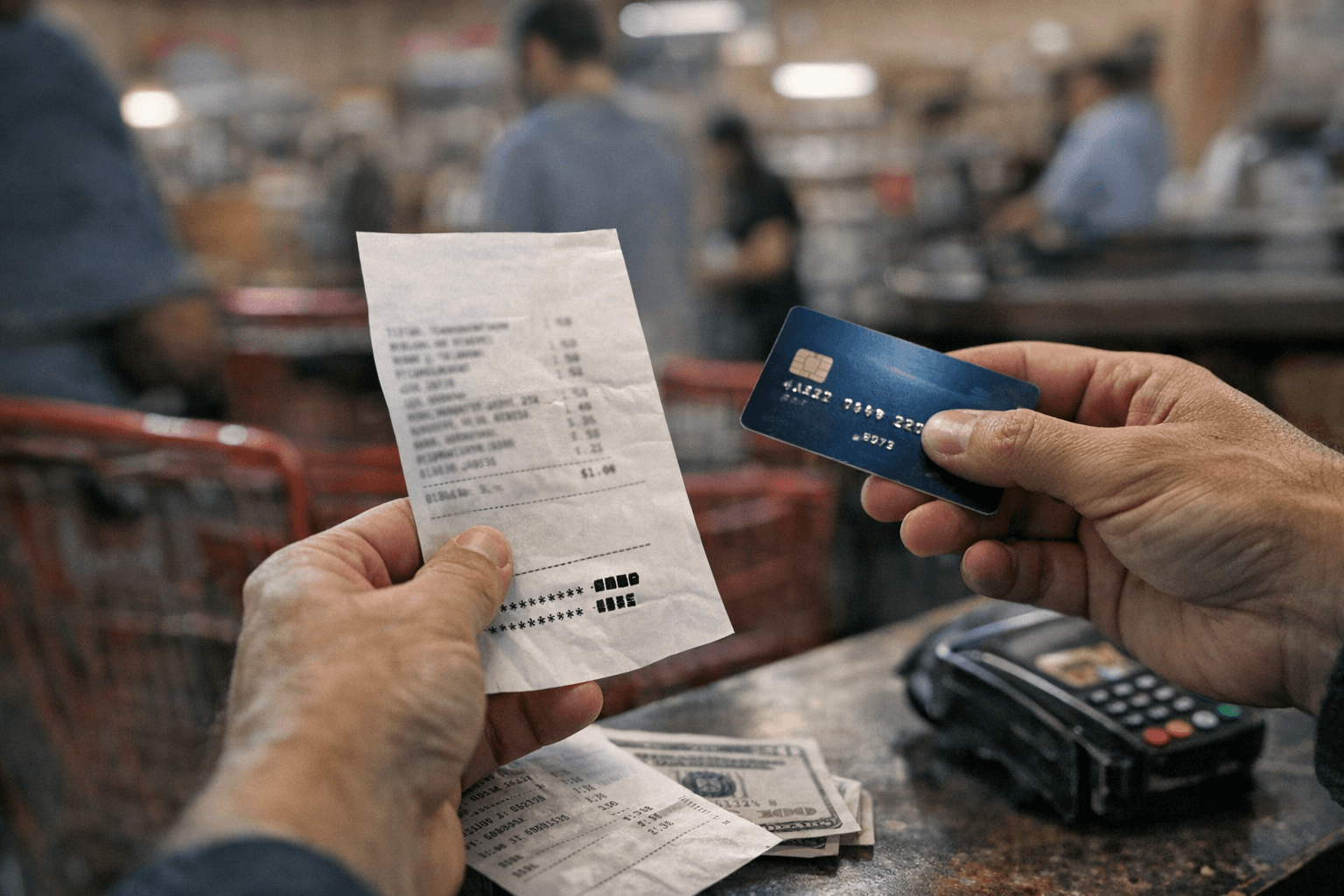
Trader Joe’s has agreed to pay $7.4 million to resolve claims that some receipts printed too many digits from customers’ credit and debit cards, a mistake that could undermine trust at the register and raise questions from shoppers about receipt security.
The settlement covers customers who used a credit or debit card at certain Trader Joe’s stores between March 5, 2019, and July 19, 2019, and whose receipts allegedly showed the first six and last four digits of the card number. Eligible shoppers may file claims for payouts of up to about $102.45, and the deadline to submit a claim is June 6, 2026.
The case was brought as Keim v. Trader Joe’s Company in the U.S. District Court for the Southern District of Florida. Brian Keim filed the lawsuit on July 17, 2019, and alleged that Trader Joe’s printed receipts at some stores with more card information than the law allows. Trader Joe’s denies wrongdoing as part of the settlement.
For crew members working the front end, the issue is straightforward but important: customers expect receipts to protect card security, not expose extra digits that could be misused if a receipt is lost or shared. The settlement website says not all Trader Joe’s stores printed the exposed digits, and the alleged problem affected only a small number of stores during that 2019 window. That distinction may matter when shoppers ask whether their local store was involved or whether they need to save old receipts to see if they qualify.
The legal claim rests on FACTA, the Fair and Accurate Credit Transactions Act, a 2003 amendment to the Fair Credit Reporting Act. FACTA generally requires merchants to truncate card numbers on printed receipts, and similar receipt-digit class actions have been filed against other retailers under the same law.
The payout comes with a reminder that checkout practices can have long aftereffects. Even a narrow receipt issue can become a class action years later, with store-level procedures, receipt formatting, and customer confidence all getting pulled into the same dispute. For employees on registers and in customer-facing roles, the lesson is that receipt security is not just a compliance detail. It is part of the trust shoppers carry out the door with every transaction.
This article was produced by Prism’s automated news system from verified source data, official records, and press releases, then run through automated quality and moderation checks before publishing. The system is built and supervised by the people who set the standards it runs under. Read our full AI policy.
Did this article answer your question?