Trader Joe’s shrink battle puts forecasting and rotation at center stage
Shrink is what turns a full-looking Trader Joe’s into a stressed one, and the fix starts with forecasting, rotation, and tighter ordering, not the balance sheet.
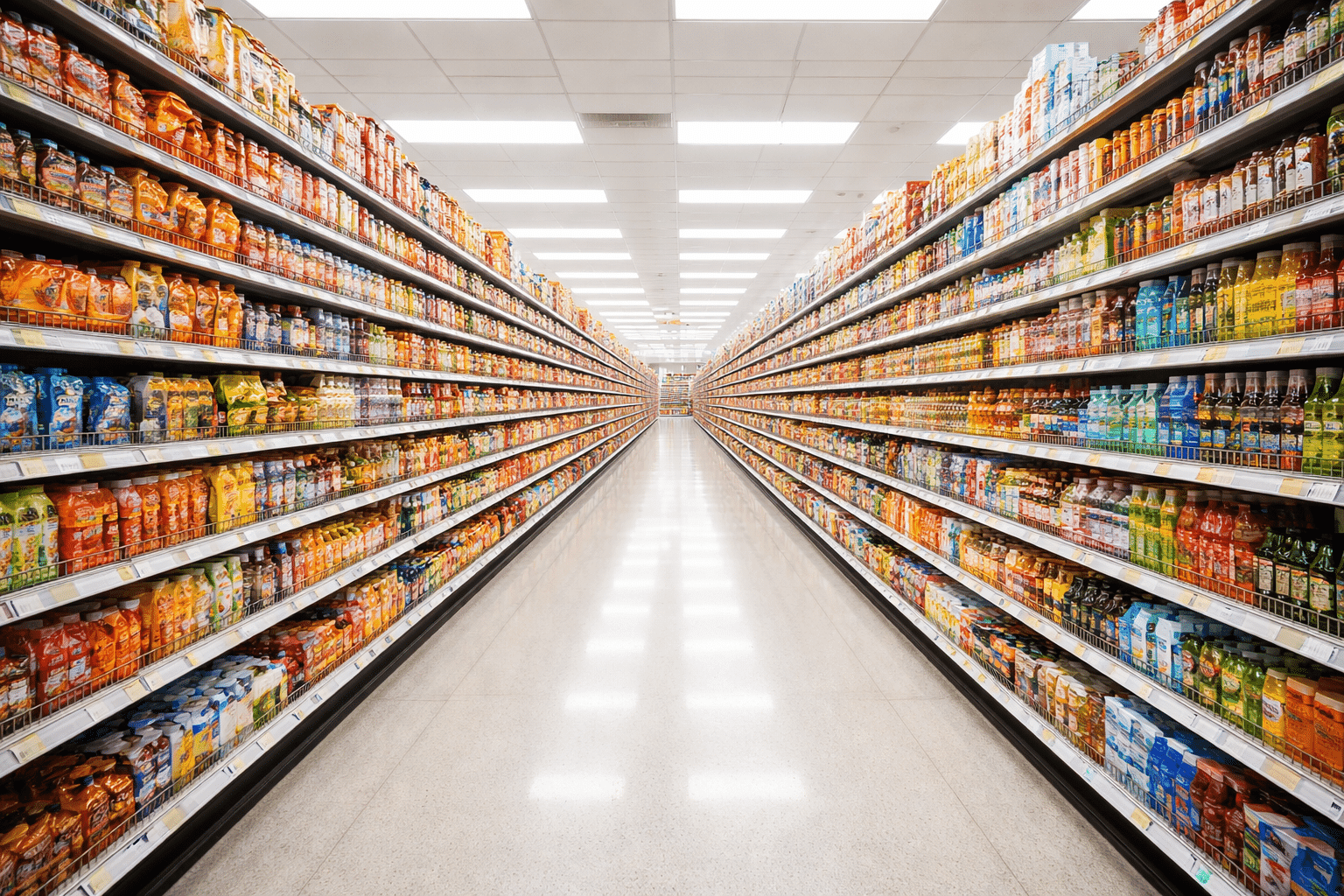
Shrink is the quiet pressure point inside a Trader Joe’s store. It shows up as spoilage, theft, ordering errors, markdown mistakes, or product that simply moves more slowly than the team expected, and each one can affect what customers see on the shelf long before it shows up in a financial report.
Why shrink matters on a Trader Joe’s floor
In grocery, the difference between a healthy store and a stressed one is often not dramatic. It is the bunch of bananas that softens too quickly, the refrigerated item that misses its window, or the case that gets packed too tightly and makes freshness harder to protect. FMI’s Food Retailing Industry Speaks report says the food industry is dealing with economy, trade, operations, and theft pressures while leaning on supply-chain investments, value strategies, and better collaboration, which is another way of saying the operating grind is still the story.
Trader Joe’s makes that grind more visible because its model is built around a tightly curated assortment and heavy reliance on private label. More than 80% of the products it sells are private label, and the company says the word “customer” or “customers” appears 13 times on the first page of its buying philosophy. That philosophy also makes a point of what it is not optimizing for: gross margin, shelf space, slotting fees, or planograms. In practice, that means the store’s job is not to maximize a generic grocery template. It is to get the right mix of products on the floor, keep them fresh, and keep the customer experience intact.
Forecasting is the first line of defense
McKinsey’s work on retail shrink argues that better demand forecasting can reduce shrink and stockouts while helping managers right-size inventory. At Trader Joe’s, that is not a back-office abstraction. It is the difference between ordering enough of a fast mover without drowning the shelf and ordering too little, then spending the day explaining to customers why it is gone.
That tension matters even more because Trader Joe’s does not sell products online, does not offer curbside pickup or delivery, and does not work with third-party delivery services. The store floor is the whole experience. If an item is out of stock, there is no website cart, no same-day substitution flow, and no backup fulfillment lane to absorb the miss. The customer either finds the item in the store, or they do not.
For crew, forecasting shows up through the most ordinary tasks in the building. Accurate counts matter. So does knowing when to pull back on display size, when to reduce facings on an item that is moving faster than expected, and when to preserve a clean shelf rather than chase volume for its own sake. In a small-format store with a loyal customer base, those choices are not cosmetic. They are how the brand promise gets translated into daily work.
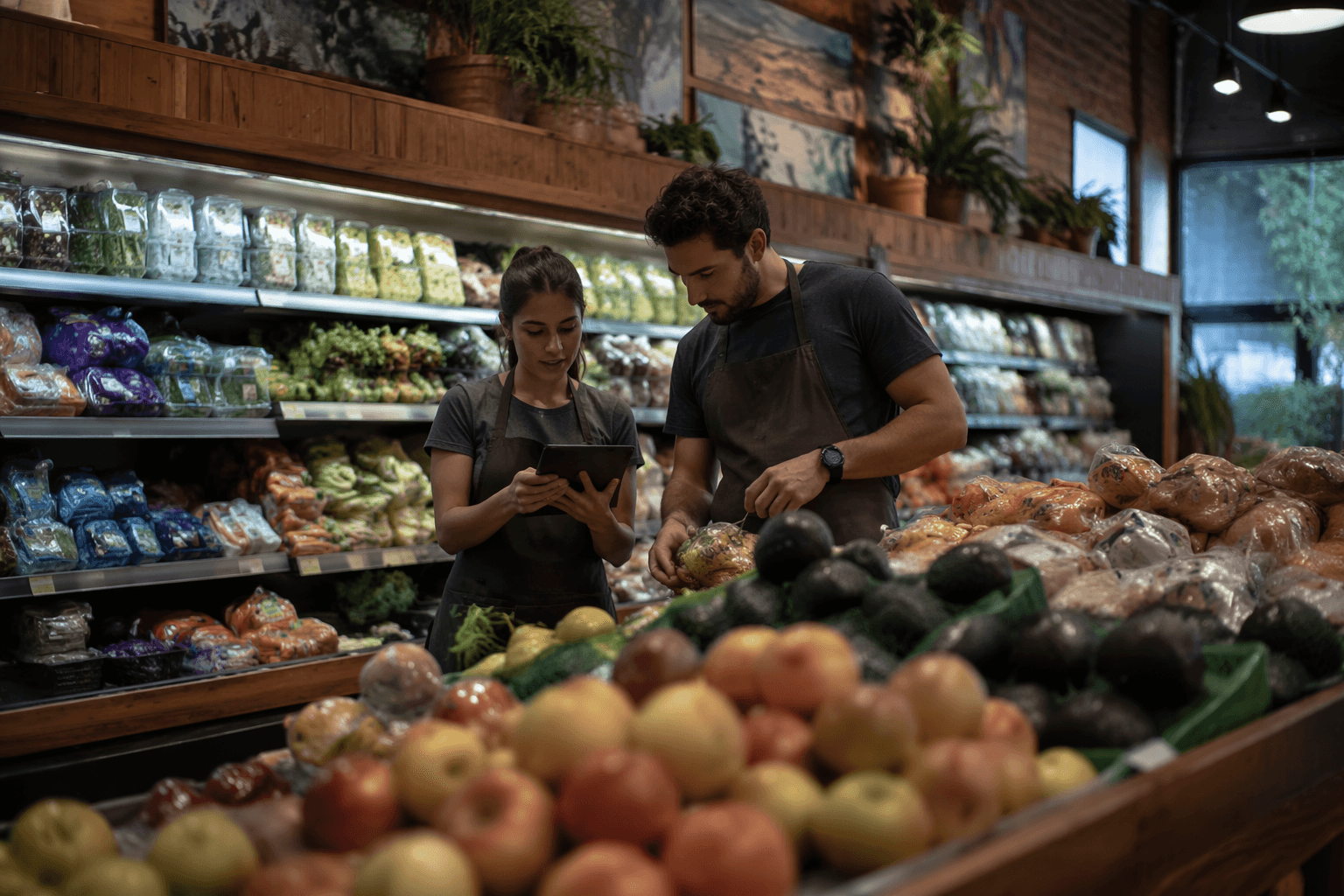
Rotation, facing, and markdown timing are part of service
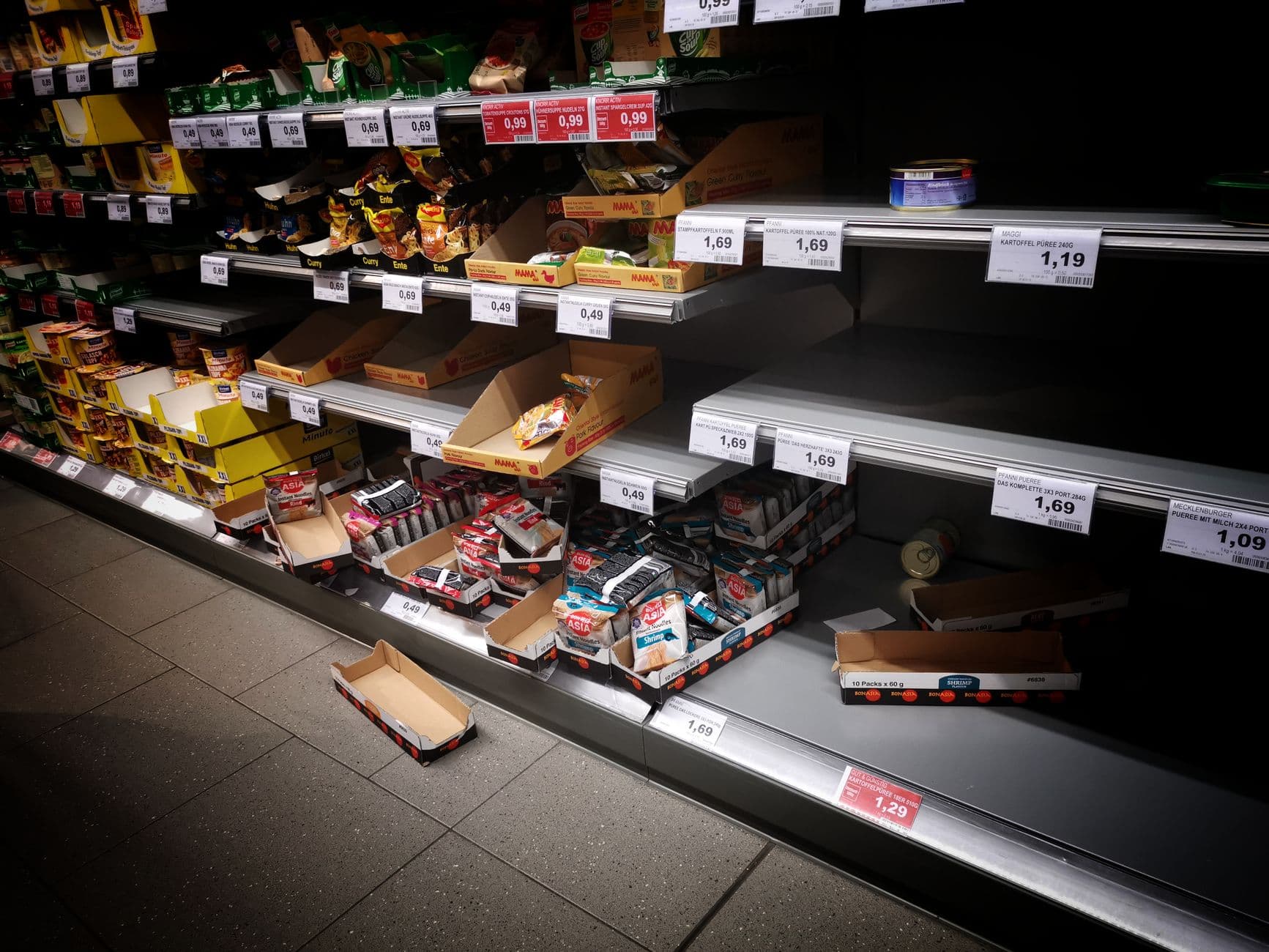
The operational risk gets sharper when an item is overordered. The shelf can become crowded, freshness can slip, and markdown decisions get harder because the team is trying to clear product that should have never been there in that amount. Underordering creates the opposite problem: empty space, disappointed customers, and more labor spent answering questions, apologizing, and resetting expectations.
That is why rotation and display discipline matter so much at Trader Joe’s. Fresh product has to be turned with care, stock has to be placed with purpose, and crew have to understand that a tidy, well-rotated section is not just about presentation. It is about protecting sell-through and preventing waste before it starts. In a store where customers expect discovery as much as convenience, that work also helps preserve the sense that the assortment is being actively managed rather than passively stocked.
Trader Joe’s has been leaning even harder into fresh and deli, which raises the stakes further. Supermarket News reported in 2026 that the company is using daily production, frequent deliveries, and decentralized store ordering in fresh and deli. The company’s podcast materials add a blunt operational truth: the main difference between Fresh and Deli is shelf life. That short shelf life means less room for error on ordering, rotation, and markdown timing than with shelf-stable grocery items.
What the store stress looks like day to day
Crew feel shrink not as an accounting concept, but as a series of small pressures. An overbuilt display can make the department look full for a moment, then force a rushed markdown later. A misread trend can leave a section out of balance, with too much of one item and not enough of another. A missed delivery or late count can create a ripple effect that the team has to clean up while still working the floor.
Managers can use shrink thinking to explain why a store changes the number of facings on a fast-moving item or why it pulls back a display that looks good but is hard to maintain. The lesson is simple: when the system is working, customers see freshness and value. When it is not, they see waste, gaps, or empty bins. That is why inventory control belongs in the conversation about customer service, not just back-room paperwork.
There is also a culture angle here. Trader Joe’s has long sold itself as a place where crew knowledge matters and where the store works as a team. Shrink management fits that culture because it depends on front-line judgment. A crew member who understands why rotation matters is not just protecting product, but protecting the store’s ability to keep the right items available without flooding the floor.
Where unsold product goes
Trader Joe’s also has a formal backstop for safe-but-unsold food. Through Neighborhood Shares, the company says it donates 100% of products that go unsold but remain fit to be enjoyed to local non-profit food recovery partners, and it says this happens every day in every store. The company says nearly 80% of those donations are produce, entrées such as salads, sandwiches and soups, bakery items, proteins, dairy, and eggs.
That matters because it shows shrink reduction and waste reduction are linked in the operating model. Not every unsold item becomes a loss in the same way, but the goal is still to keep food moving through the store efficiently and out to community partners when it cannot be sold. For a chain that says it was founded in 1967 in Monrovia, California, and now has more than 67,000 crew members, that kind of daily recovery system is part of how a scaled retailer tries to keep its values aligned with its operations.
The scale of demand also explains why the details matter. Trader Joe’s said in 2025 that customers bought more than 13 million packages of kimbap from freezer cases, a reminder that when an item lands, it can move fast enough to make forecasting mistakes expensive. In a business that has expanded across the U.S. to roughly the high-500s to low-600s in stores, even small misses in ordering, markdowns, or rotation can multiply quickly.
Shrink is the hidden operational test of Trader Joe’s model. The company can only keep its value promise if the shelf stays fresh, the counts stay accurate, and the crew has the discipline to move product at the right pace. Long before anyone sees a line on a report, the real battle is happening at the case, the endcap, and the mark-down table.
This article was produced by Prism’s automated news system from verified source data, official records, and press releases, then run through automated quality and moderation checks before publishing. The system is built and supervised by the people who set the standards it runs under. Read our full AI policy.
Know something we missed? Have a correction or additional information?
Submit a Tip