Trader Joe’s strict sourcing rules shape shelves and crew explanations
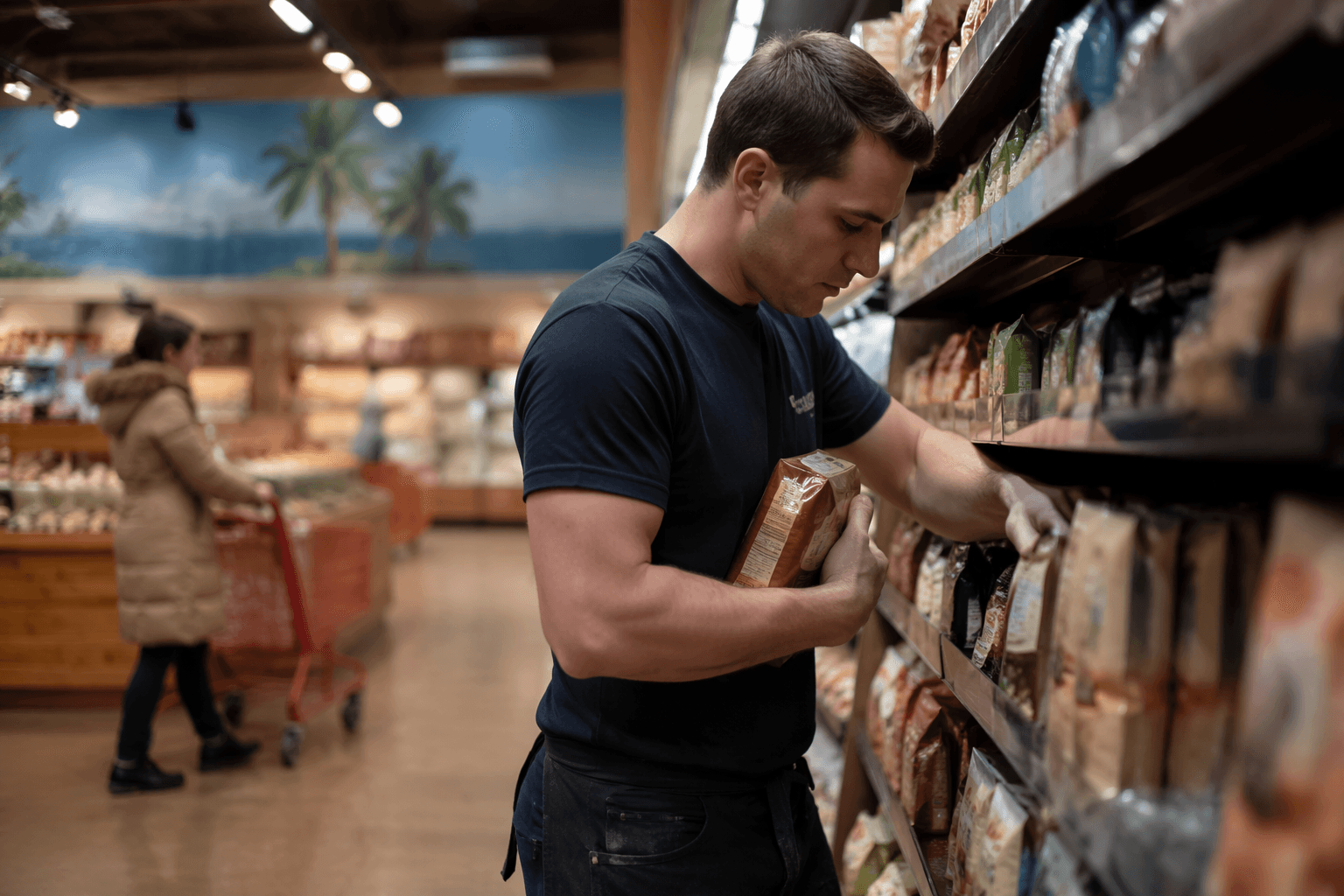
Trader Joe’s shelf mix is tightly controlled, which is why crew members spend so much time explaining ingredients, sourcing, and why favorite items appear or disappear.
How Trader Joe’s shelf rules shape the job on the floor
Trader Joe’s looks playful on the surface, but the company’s product rules create a serious operating system behind the jokes, artwork, and novelty labels. The chain’s direct-to-manufacturer buying model means the shelf is built from a narrow set of approved suppliers, and that choice shapes everything from what crew members stock to the questions they answer all day.

A shelf built by gatekeeping, not by accident
Trader Joe’s says it only deals directly with manufacturers or growers, not brokers, distributors, or sales agents. It also says it does not buy recipes or product concepts, which means every item has to be a finished product that already fits the chain’s standards. That setup helps explain why the assortment feels curated instead of sprawling: items do not just land in stores because they are available, they land because they have cleared a demanding internal filter.
Those filters are unusually specific. Trader Joe’s says its brand products contain no artificial flavors, artificial preservatives, MSG, added trans fats, dairy ingredients from rBST sources, or genetically modified ingredients. It also says brand-product colors come from naturally available products. For crew members, that means the answer to a customer’s question is often not just “we like this item,” but “this item matches a whole chain of sourcing and formulation rules.”
Why crew members end up acting like product guides
The practical effect of this system is that workers are expected to know more than price and location. When shoppers ask why a product tastes a certain way, why a favorite disappeared, or why an item exists at all, the answer usually traces back to the company’s sourcing model and its brand standards. A crew member on the floor is not just restocking a box; they are translating a corporate product philosophy into something a shopper can understand in 30 seconds.
That is part of what separates Trader Joe’s from a conventional supermarket. The company says its products and knowledgeable, friendly Crew Members have been transforming grocery shopping into a “welcoming journey full of discovery and fun” since 1967. In practice, that “discovery” comes with explanation work. Crew members are often the ones who need to connect a quirky label, an ingredient callout, or a sudden product absence to the store’s deeper rules.
The private-label model is doing the heavy lifting
Trader Joe’s says more than 80% of what it sells is private label, and customers will not find a lot of branded items in its stores. That is not just a merchandising preference, it is the core of the chain’s identity. The company says its buyers travel the world for products they think are exceptional and likely to find a following, then each product has to pass a rigorous tasting-panel process judged in the context of the price the chain can offer.
The result is a private-label business that is more controlled than most grocery chains and more brand-driven than many shoppers realize. Trader Joe’s also says it does not collect slotting fees, which helps separate its model from the fee-heavy economics that shape many supermarket aisles. Instead of buying shelf space from vendors, the chain leans on product selection, tasting, and brand discipline to define what belongs in the store.
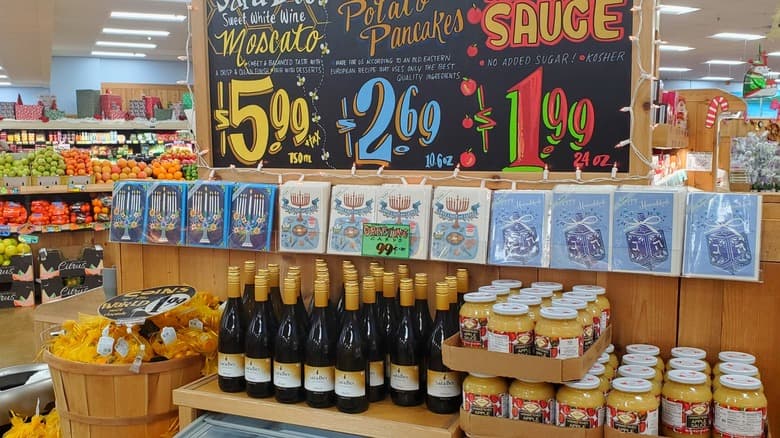
That is why the playful packaging can be misleading if you only look at the front end. The fun design gets attention, but the back-end rules determine what crew members actually stock, face, recommend, and replace.
What the rules mean for merchandising rhythm
For managers, the direct-vendor structure creates a different rhythm from a conventional chain. A highly curated assortment means suppliers have to meet strict standards before an item can even reach the shelf, and that can limit how quickly products can be expanded or swapped. When a product sells out or disappears, it is often not because someone forgot to reorder, but because the item lives inside a smaller, more controlled pipeline.
The company’s product directory currently lists 2,701 products online, which shows how broad the assortment is even with all that control. That breadth gives shoppers plenty to explore, but it also adds pressure on the crew side: employees need enough product knowledge to navigate a long list of rotating favorites, seasonal items, and private-label staples without losing the store’s sense of coherence.
The company’s standards reach beyond flavor
Trader Joe’s vendor requirements page shows that the chain is not just screening for taste. Supplier facilities must be FDA- or USDA-licensed and have annual Global Food Safety Initiative benchmarked audits. The company also requires validated shelf-life data, nutrition analysis, and product liability insurance. Those are the kinds of behind-the-scenes rules that shape what can be sold, how it is handled, and how much confidence the company can place in a product once it reaches the store.
For workers, these requirements help explain why the assortment is not random and why some products become long-running favorites while others never appear. A product must fit the company’s flavor goals, safety expectations, and brand identity all at once. That makes the crew’s product knowledge more than customer service polish; it becomes part of the store’s operating credibility.
A model rooted in the company’s history
This strategy is not a recent tweak. Trader Joe’s traces its model back to 1967, when Joe Coulombe opened the first store in Pasadena, California, on August 25, 1967, at 610 South Arroyo Parkway. The company says it is a national chain of neighborhood grocery stores, and that description matters because the brand has always tried to feel local and distinct even as it expanded.
Growth has not diluted the formula. Trader Joe’s said it opened 34 new stores in 2024, and its announcements page in 2026 included a planned Woodinville, Washington store. That combination of expansion and strict product control shows the company is scaling the same basic idea rather than abandoning it: keep the assortment tight, keep the brand distinctive, and keep the shopping trip feeling curated.
Why certain items become part of the story
The chain also treats certain products like part of its folklore. Trader Joe’s says it reaches out to customers each year for its Customer Choice Awards, and in January 2026 it inducted Spiced Cider into its Product Hall of Fame. The product was introduced in June 2001, which gives it the kind of long shelf life that turns a seasonal or cult item into a recognizable piece of the brand’s identity.
That matters on the floor because signature products do more than sell units. They give crew members a vocabulary for explaining what Trader Joe’s stands for, why a product became beloved, and how the company decides which items deserve permanent status in a crowded private-label portfolio.
Trader Joe’s has built a business where sourcing rules, private-label discipline, and product personality all reinforce one another. For crew members, that means the job is not only to stock shelves, but to explain the logic behind them.
This article was produced by Prism’s automated news system from verified source data, official records, and press releases, then run through automated quality and moderation checks before publishing. The system is built and supervised by the people who set the standards it runs under. Read our full AI policy.
Did this article answer your question?