Trader Joe's supply chain bets on private label and fresh foods
UNFI’s holiday planning points to more private-label, fresh, and wellness questions on Trader Joe’s floors, where the chain already leans hardest on its own label.
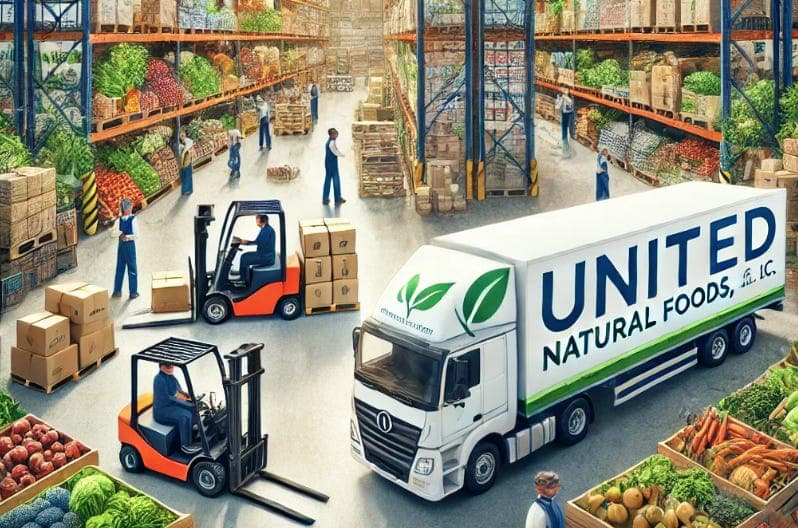
UNFI’s holiday and winter planning session drew more than 1,400 grocery retail representatives and 715 suppliers, a big clue that the next selling season will be fought in private label, fresh, and wellness. For Trader Joe’s crews, that matters less as industry chatter than as a preview of the questions customers are likely to bring to the shelf: what is new, what is better for them, and what is worth buying again.
What UNFI is betting on
The wholesaler framed its event around products in natural, organic, fresh, specialty, and conventional grocery, with nearly 70 new-to-market brands in the mix. That breadth matters because it shows the industry is not treating holiday planning as a single aisle conversation about candy or baking staples. It is a wider push to place more of the store’s story inside seasonal displays, endcaps, and quick-turn items that can catch a shopper who is already looking for a meal solution or a useful gift.
UNFI’s earlier view of the market points in the same direction. The company said private-label brands were expected to grow by about 40% over the next six years, and Supermarket News later reported that private-label sales hit a record $282.8 billion in 2025, with private brands now making up more than 20% of grocery sales nationwide. Fresh is also pulling ahead of the rest of the store, which tells you where retailers think they can still win attention when shoppers are watching every dollar.
Why Trader Joe’s is already built for this shift
Trader Joe’s does not need to reinvent itself around private label, because the chain already runs on it. The company sells under the Trader Joe’s label instead of filling shelves with branded goods, and it puts products through a tasting-panel process before they make the cut. In its own FAQ, Trader Joe’s says those private-label items are positioned as “great quality fare for exceptional, everyday prices.”
That model is already visible in the numbers. Numerator data reported by Retail Brew showed that 69% of Trader Joe’s sales volume came from private label, trailing only Aldi’s 80% among major U.S. retailers. So when wholesalers talk about store brands as a growth engine, Trader Joe’s is not the outlier trying to catch up. It is one of the clearest examples of where the grocery business is already headed.
What this means on the floor
For crew members, more emphasis on fresh and wellness usually means more conversation at the shelf and more pressure on the back room. Fresh items bring more spoilage risk, more limited sell-through windows, and more chances for a shopper to ask whether something will hold up through a holiday dinner or a week of lunches. Wellness shopping can sound abstract in a conference room, but on the floor it often turns into a simpler set of questions: does this have protein, what is in it, how do you use it, and is it worth the price?
That is where Trader Joe’s product model becomes operational, not just brand language. When a shopper asks about a private-label soup, salad kit, frozen entrée, or snack, crew are often the main translators between a broad trend and a specific buy decision. The chain’s value promise works only if that translation feels quick and confident, because customers are not comparing three similar national brands on the same shelf. They are deciding whether the Trader Joe’s version earns a spot in the cart at all.
Seasonal merchandising is part of the job, not decoration
Holiday planning also changes what stores need to spotlight, reorder, and keep visible. Trader Joe’s has leaned hard into seasonal fall and Thanksgiving products as limited-time items built around value and discovery, which makes the calendar feel less like a marketing overlay and more like a planning system for the whole store. When seasonal demand shifts fast, the crew that can keep displays full and easy to shop usually ends up shaping the customer experience as much as the product itself.
Trader Joe’s has already shown how quickly a hit can scale when it lands. In its 2025 look-back and look-ahead note, the company said customers bought more than 13 million packages of Kimbap from its freezers, a striking reminder that a single frozen item can become a mass seller if it connects. The same note said the chain was looking ahead to dozens of new store openings, which raises the stakes for assortment consistency: more stores mean more chances for a seasonal or frozen item to become a chainwide expectation instead of a regional surprise.
The practical read for Trader Joe’s crews
The clearest takeaway from UNFI’s forecast is that the store has to be ready for more questions about private label, more demand for fresh, and more scrutiny around wellness-oriented products. Those are all areas where Trader Joe’s already has an advantage, but they also create the most work for crew because the selling happens one conversation at a time. The stores that stay fastest, clearest, and most confident about those categories will be the ones that make the holiday rush feel less like a scramble and more like the brand working exactly as intended.
This article was produced by Prism’s automated news system from verified source data, official records, and press releases, then run through automated quality and moderation checks before publishing. The system is built and supervised by the people who set the standards it runs under. Read our full AI policy.
Know something we missed? Have a correction or additional information?
Submit a Tip