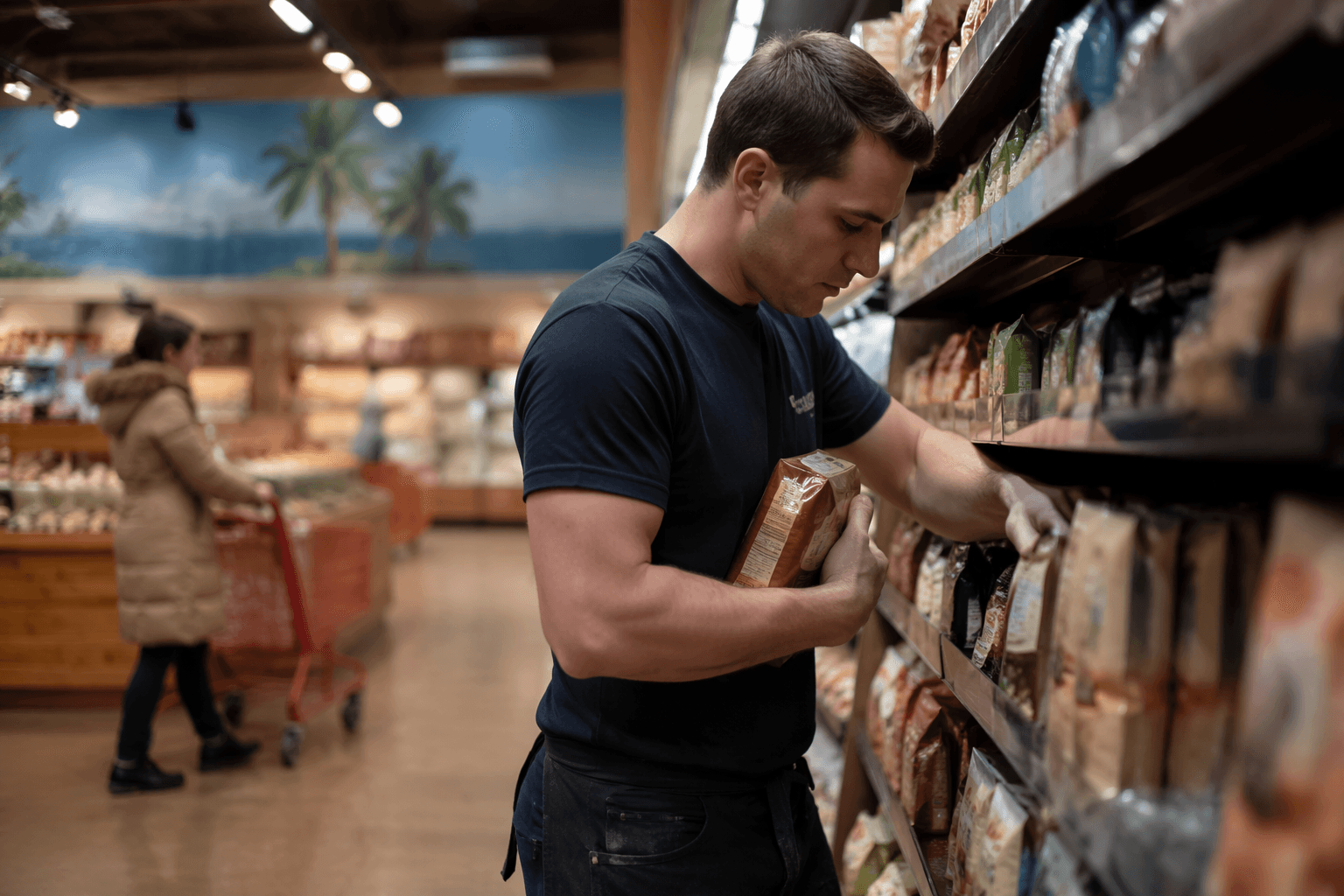
Trader Joe's Workers' NLRA Rights, ULP Complaints Explained for Crew Members
A 76-76 tied union vote and an abrupt overnight store closure put Trader Joe's at the center of a federal labor complaint — here's what crew members need to know.

When the only Trader Joe's wine shop in New York City shut its doors overnight, the crew members who had been working to organize a union believed they knew exactly why. That closure became the basis of an Unfair Labor Practice charge that ultimately led the National Labor Relations Board to file a formal complaint and issue a notice of hearing against Trader Joe's — a significant escalation in one of the most closely watched union campaigns in independent retail grocery.
This guide explains what that process means, what rights protect you under federal labor law, and how to use those rights if you believe Trader Joe's or any employer has violated them.
What the NLRA actually protects
The National Labor Relations Act is the federal law that gives most private-sector workers the right to organize, join a union, and engage in collective action without employer interference, restraint, or coercion. The NLRB is the independent federal agency that enforces those rights. Under the NLRA, employers cannot threaten, surveil, discipline, or fire workers for union activity. They cannot hold mandatory anti-union meetings that workers are compelled to attend, a practice known as captive-audience meetings. They cannot bar workers from distributing union materials in non-work areas during non-work time, including break rooms.
In the Trader Joe's New York City wine shop case, both of those specific violations were alleged. According to reporting by Truthout, the union charged that Trader Joe's illegally forced workers to attend captive-audience meetings where they were "force-fed anti-union propaganda," and that the company barred workers from posting and distributing union fliers in the break room. Union attorney Seth Goldstein put it directly: "The union went in with well over majority support, and it's clear that we lost votes because of these [unfair labor practices]."
What an Unfair Labor Practice charge is and how to file one
An Unfair Labor Practice charge is a formal allegation filed with the NLRB asserting that an employer (or union) has violated the NLRA. Any worker or group of workers can file one. You do not need to be represented by a union to file, and filing is free.
Here is the basic process:
1. Identify the conduct you believe is unlawful. Common employer ULPs include surveillance of union organizing, threats of retaliation, actual retaliation (such as a store closure), prohibiting protected concerted activity, and refusing to bargain in good faith.
2. File a charge with the appropriate NLRB Regional Office, typically within six months of the alleged violation. Missing this deadline generally bars your claim, so timing matters.
3. The NLRB regional office investigates. An agent will contact you and the employer, gather evidence, and take statements.
4. If the regional director finds merit in the charge, the NLRB issues a formal complaint, as happened in the Trader Joe's wine shop case. The NLRB then issues a notice of hearing before an administrative law judge.
5. If no merit is found, the charge can be appealed to the NLRB's Office of Appeals in Washington, D.C.
The complaint and notice of hearing issued against Trader Joe's, announced by UFCW International on January 18, 2024, represents the NLRB's determination that the allegations had sufficient merit to proceed. As UFCW stated in its release: "With the NLRB's complaint and notice of hearing, former Trader Joe's wine shop crew members in New York are one step closer to getting the justice they deserve."
The Trader Joe's wine shop case: what happened
The New York City wine shop workers' situation illustrates how multiple NLRA violations can layer on top of each other and compound into a larger legal fight. Workers had been organizing for union recognition through Trader Joe's United, the independent union that has unionized four Trader Joe's locations across the country. Before they could secure a win, they allege Trader Joe's held captive-audience meetings and banned break-room flier distribution to shift the workplace climate against the union.
The election result was a 76-76 tie, which under NLRB rules means the union did not win. But the tied outcome was itself part of the legal argument. With majority support going in and a dead-even result coming out, Goldstein argued the lost votes were a direct consequence of the employer's illegal conduct.
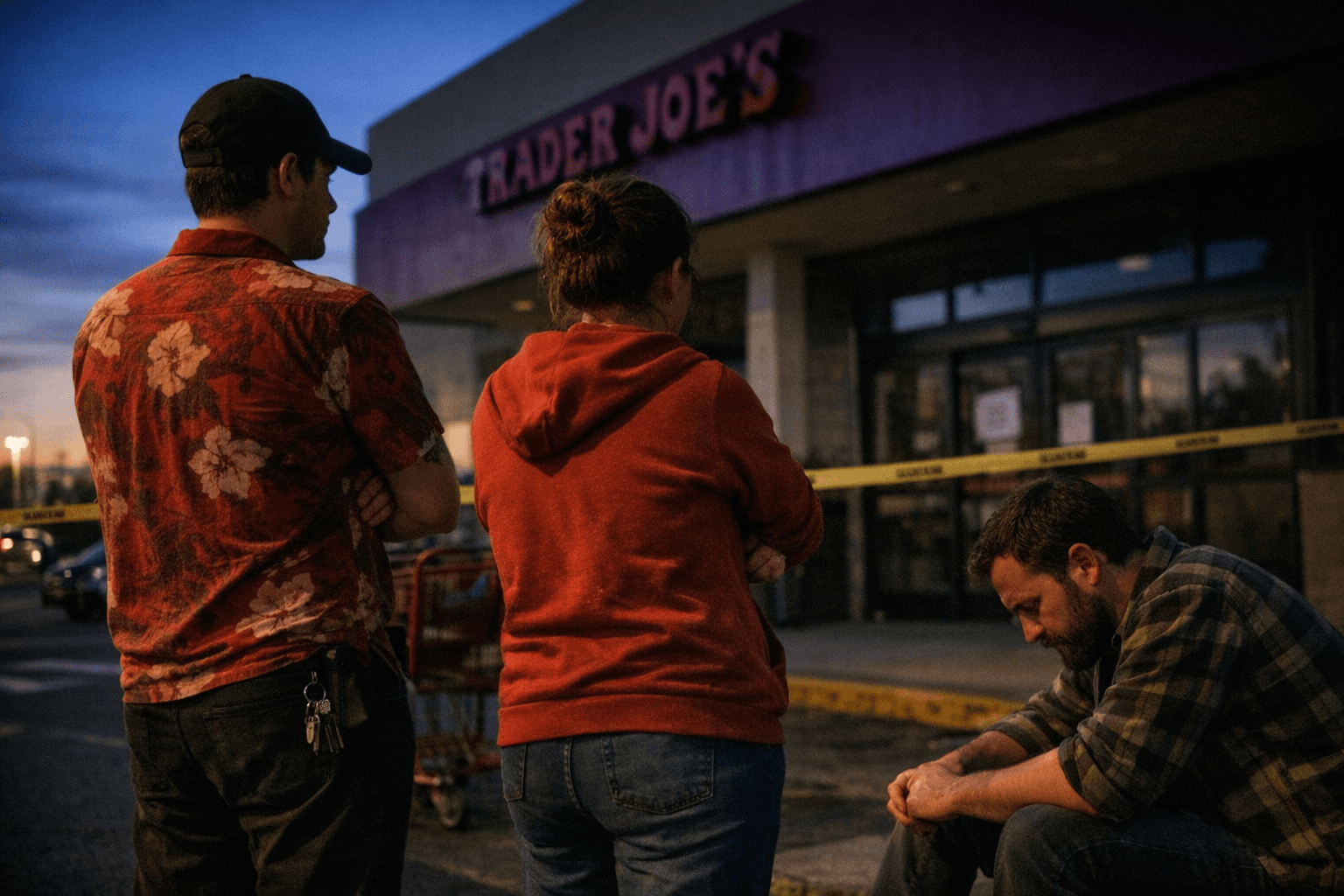
Then, according to the UFCW and the workers who filed the charge, Trader Joe's abruptly closed the wine shop overnight. Workers discovered the closure without advance notice. UFCW characterized the move as deliberate and illegal: "Trader Joe's shamelessly and illegally engaged in union busting to scare Trader Joe's workers across the region and stop these workers from having a voice on the job."
The UFCW, which represents 1.2 million workers across grocery, meatpacking, food processing, healthcare, cannabis, retail, and other essential industries in all 50 states, Canada, and Puerto Rico, framed the closure as a warning shot directed at workers at other locations, not just the wine shop crew.
The bargaining order: one of labor law's most powerful remedies
Beyond the NLRB complaint, Trader Joe's United took a separate legal step, filing a request for a bargaining order under new NLRB guidance. A bargaining order is among the most forceful remedies available in federal labor law. Rather than ordering a new election (which could be tainted by the same employer conduct), a bargaining order directs the employer to recognize and bargain with the union based on evidence that the union had majority support before the employer's illegal interference erased it.
Truthout reported that Trader Joe's United was likely the first union to seek a bargaining order under the new NLRB guidance, which federal labor officials had recently issued. If that request succeeds, Trader Joe's would be required to recognize the union without another election vote.
What crew members should do if they believe their rights are being violated
If you witness or experience conduct that may constitute an unfair labor practice, the steps below are the foundation of any viable legal claim:
- Document everything in writing. Note dates, times, locations, the names of supervisors or managers involved, and exactly what was said or done. Do this as soon as possible after each incident.
- Preserve physical and digital evidence. Save any written notices, texts, emails, or posted materials, including anything that was removed or confiscated. Photograph break-room bulletin boards if you believe materials were taken down.
- Talk to co-workers who witnessed the same conduct. Corroboration strengthens a ULP charge significantly.
- Contact Trader Joe's United or the UFCW. Both organizations have experience navigating NLRB processes specifically in the Trader Joe's context.
- File with your NLRB Regional Office directly if you do not have union representation. You can find your regional office through the NLRB's official website. Remember the six-month filing deadline.
- Consult a labor attorney if you are uncertain whether conduct crosses the legal line. Attorneys like Seth Goldstein, who represented the wine shop workers, specialize in exactly these situations.
What the Trader Joe's case signals going forward
The wine shop case is not an isolated incident. Trader Joe's United has organized at four locations nationwide, and the New York wine shop fight, combining a tied election, allegations of captive-audience meetings, a possible retaliatory closure, an NLRB formal complaint, and a novel bargaining-order request under new federal guidance, represents the full spectrum of tools available to workers when an employer pushes back hard against organizing.
The NLRB's decision to file a complaint and issue a notice of hearing confirms that the agency found the workers' allegations credible enough to pursue through formal adjudication. Whatever the final outcome of the hearing process, the case has already established a procedural record that other Trader Joe's crew members, and workers in retail grocery more broadly, can learn from. The strongest protection against unfair labor practices is knowing your rights under the NLRA before you need to use them.
This article was produced by Prism’s automated news system from verified source data, official records, and press releases, then run through automated quality and moderation checks before publishing. The system is built and supervised by the people who set the standards it runs under. Read our full AI policy.
Did this article answer your question?