USDA says food inflation cooled, but Trader Joe's shoppers still feel pressure
Eggs and sugar got cheaper in March, but Trader Joe’s still has to defend every shelf tag as shoppers keep pressing on value.
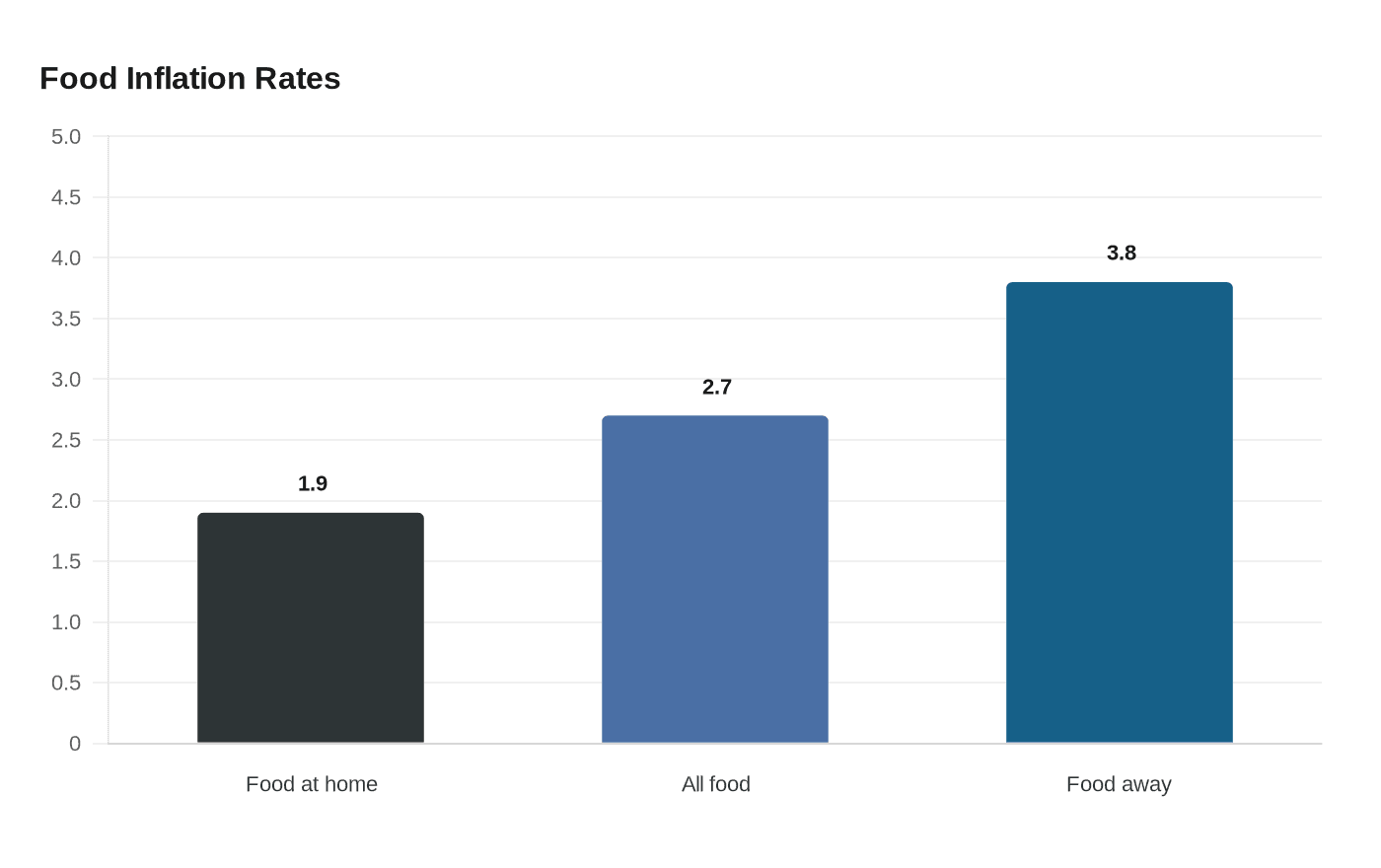
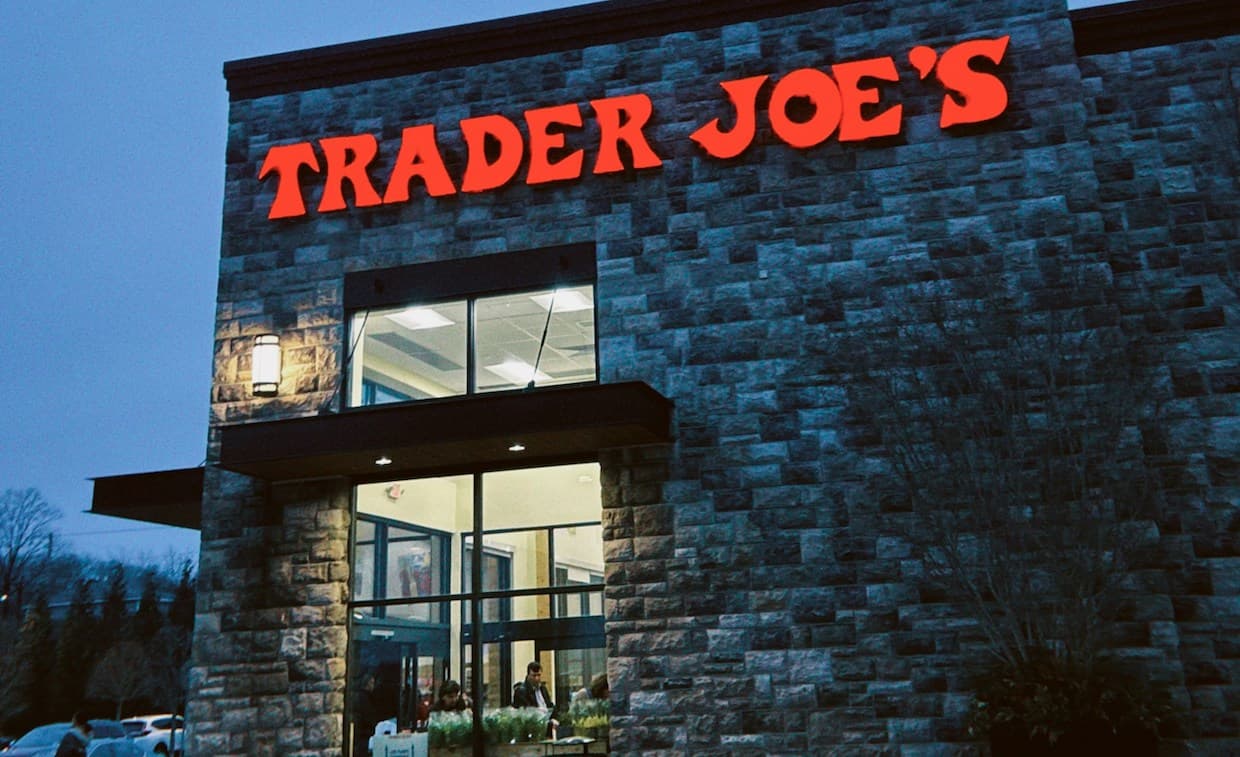
At Trader Joe’s, a cooler inflation print did not mean quieter checkout conversations. The USDA said food-at-home prices were flat from February to March 2026, but still 1.9% higher than a year earlier, a reminder that shoppers walking into the chain’s 622 neighborhood stores are still watching every basket total. All food prices were up 2.7% year over year, and food-away-from-home prices climbed 3.8%, keeping price pressure alive even as some grocery lines eased.
The April 24 update also showed that relief is uneven. USDA’s forecast for 2026 called for all food prices to rise 2.9%, with food-at-home up 2.4% and food-away-from-home up 3.6%. The agency said eight of the 15 food-at-home categories it tracks are expected to grow faster than their 20-year historical average, which means crew members are likely to keep hearing the same practical questions at the shelf: why this item costs less than the one across the aisle, whether a package got smaller, and whether a seasonal or limited-time product is worth grabbing now. Eggs fell 3.3% from February to March, while sugar and sweets dropped 1.0%, but those moves do not erase the broader feeling that many staples still cost more than shoppers want to pay.
That is where Trader Joe’s pricing pitch gets tested. On the Inside Trader Joe’s podcast, marketing leaders Tara Miller and Matt Sloan have said the company is “very, very reluctant to raise” retail prices and lowers them when costs fall. They have also described the chain’s approach as comparing its prices with similar products elsewhere rather than following a rigid cost-plus model. A 2024 Progressive Grocer report on that messaging put it bluntly: “Price is what you pay, value is what you get for it.”
The chain has kept leaning on that value story. Trader Joe’s said it was looking ahead to 2025 with dozens of new store openings and a focus on “best products, best values, and best experience,” then described popular items as a “Trophy Case” and “Victors of Value” in its Jan. 26 Customer Choice Awards winners post. Placer.ai said Trader Joe’s, Aldi and Lidl outpaced the broader grocery segment in the first half of 2025, with Trader Joe’s visits up 11.9% year over year and California’s relative visit share rising from 13.2% in the first half of 2019 to 15.7% in the first half of 2025.
Trader Joe’s said in April 2026 it had 622 neighborhood grocery stores and more than 67,000 Crew Members, and a spokesperson told Grocery Dive the company planned to open more than 20 stores in 2026 after 34 openings in 2024 and 43 in 2025. For crews on the floor, the USDA’s cooler headline still lands the same way: shoppers may be less panicked than they were at the peak of inflation, but they are still asking whether the basket adds up.
Know something we missed? Have a correction or additional information?
Submit a Tip