Viral post calls Trader Joe's more snack shop than full grocery store
A post calling Trader Joe’s a snack shop drew 46,000 likes, tapping a growing gripe about missing staples and the burden that puts on Crew Members.
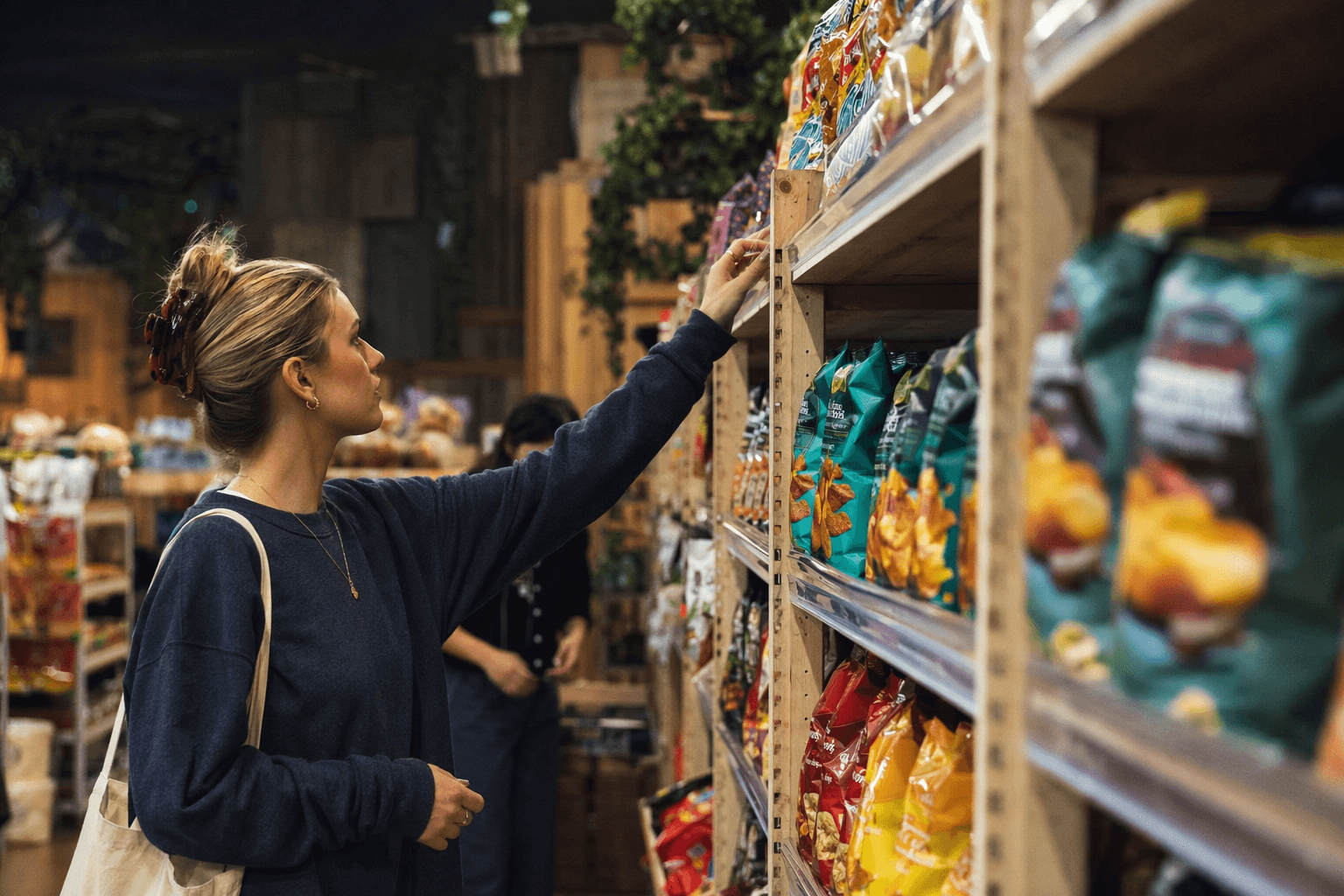
Trader Joe’s viral problem is not just a branding joke. It is a live customer-expectations issue that lands in stores every day, where shoppers looking for a full grocery run increasingly say they find a tightly curated mix of snacks, frozen items and novelty buys instead.
A post mocking the chain as more snack shop than full-service grocer drew 46,000 likes, and the reaction resonated because it matched a familiar complaint: Trader Joe’s is built around a limited, heavily private-label assortment rather than the broad staple coverage shoppers expect from a conventional supermarket. The company says more than 80% of what it sells is private label, and its own product pages reinforce that identity by mixing food, beverages, flowers and plants, and even “everything else.” The site lists 2,714 products, while also noting that not every product is represented online.
That curation is part of the appeal for loyal shoppers and part of the frustration for everyone else. Trader Joe’s says it has been transforming grocery shopping “since 1967,” and it has long framed the store as a neighborhood market with everyday prices and a sense of discovery. But the same model that drives the cult following also invites the question behind the viral post: if the store itself is the brand, how much of the basket is really groceries versus impulse buys?
For Crew Members, that tension can show up in routine customer conversations. Shoppers coming in for pantry basics or broader weekly shopping often encounter the same answer: Trader Joe’s offers a selective mix, not a full-line supermarket. That expectation gap matters as the chain keeps opening more stores and says it is looking ahead to 2025 with dozens of new locations. More stores mean more first-time shoppers, and more first-time shoppers mean more chances for the same complaint to surface at the checkout line and on the floor.
The criticism also cuts against another part of Trader Joe’s identity: its food waste and donation claims. The chain says all unsold but still fit-to-eat product is donated through Neighborhood Shares, and nearly 80% of those donations are produce, entrees, bakery items, proteins, dairy and eggs. In other words, the company still presents itself as a grocer, even as the product mix and social-media chatter push it toward snack-shop territory.
That tension has been building since the first store opened in Pasadena, California, and since Theo Albrecht bought the company in 1979. It is now showing up in a way crew members cannot ignore: as a customer-service issue, a merchandising issue and a reminder that Trader Joe’s brand promise is only as strong as the basket a shopper can actually fill.
This article was produced by Prism’s automated news system from verified source data, official records, and press releases, then run through automated quality and moderation checks before publishing. The system is built and supervised by the people who set the standards it runs under. Read our full AI policy.
Know something we missed? Have a correction or additional information?
Submit a Tip