After Multi-Year Pilot, Walmart Deploys Generative AI Across Operations, Plans Reskilling
Walmart completed a multi-year generative AI pilot and is deploying tools across supply chain, customer service and associate productivity; reskilling for associates is planned.

Walmart completed a multi-year pilot and rolled out generative AI across multiple operational areas, moving the technology from testing into day-to-day store and supply-chain workflows. The retailer said the pilot phase cut forecasting error, boosted in-stock levels and sped up customer support responses, and the company is embedding AI into forecasting, inventory optimization, customer service chatbots and associate-facing productivity tools for store fulfillment and scheduling.
The deployment, finalized Jan. 21, 2026, is part of a broader multi-year strategy to modernize operations and lift front-line associate productivity. In supply-chain operations, Walmart is using generative models to improve demand signals and planning, aiming to reduce waste and make replenishment decisions faster. In stores, AI-powered features are being integrated into tools that help associates manage backroom tasks, on-shelf availability and shift schedules. Customer service teams are receiving chatbot enhancements designed to accelerate response times and free staff to handle higher-complexity issues.
Early pilot results informed the wider rollout. Forecasting error was reported to decline during trials, which translated into improved on-shelf availability and fewer emergency shipments. Customer support pilots showed faster resolution for routine inquiries, which Walmart expects will allow associates to spend more time on face-to-face customer service and exception handling. The company framed these gains as operational efficiencies that can cut waste and speed decision making across merchandising and logistics.
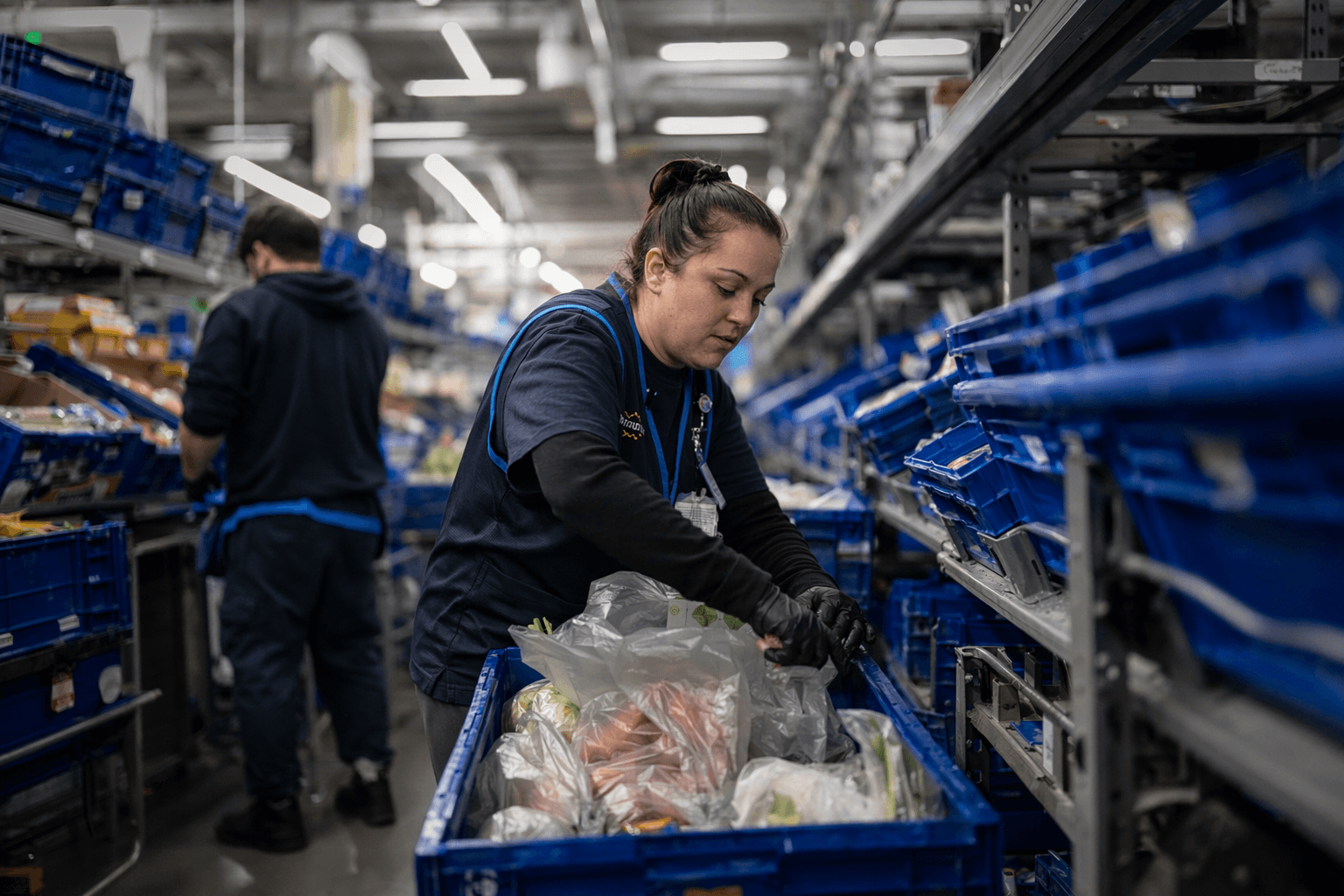
The move raises questions about how work will change for associates whose daily duties include repetitive tasks such as manual data entry, inventory counts and basic scheduling. Walmart acknowledged that roles relying on repetitive processes may be reshaped and said it plans to reskill and upskill many associates so they can work alongside AI tools. Training is expected to focus on new workflows, tool use and exception management rather than replacing human judgment in areas like customer interaction and store operations.
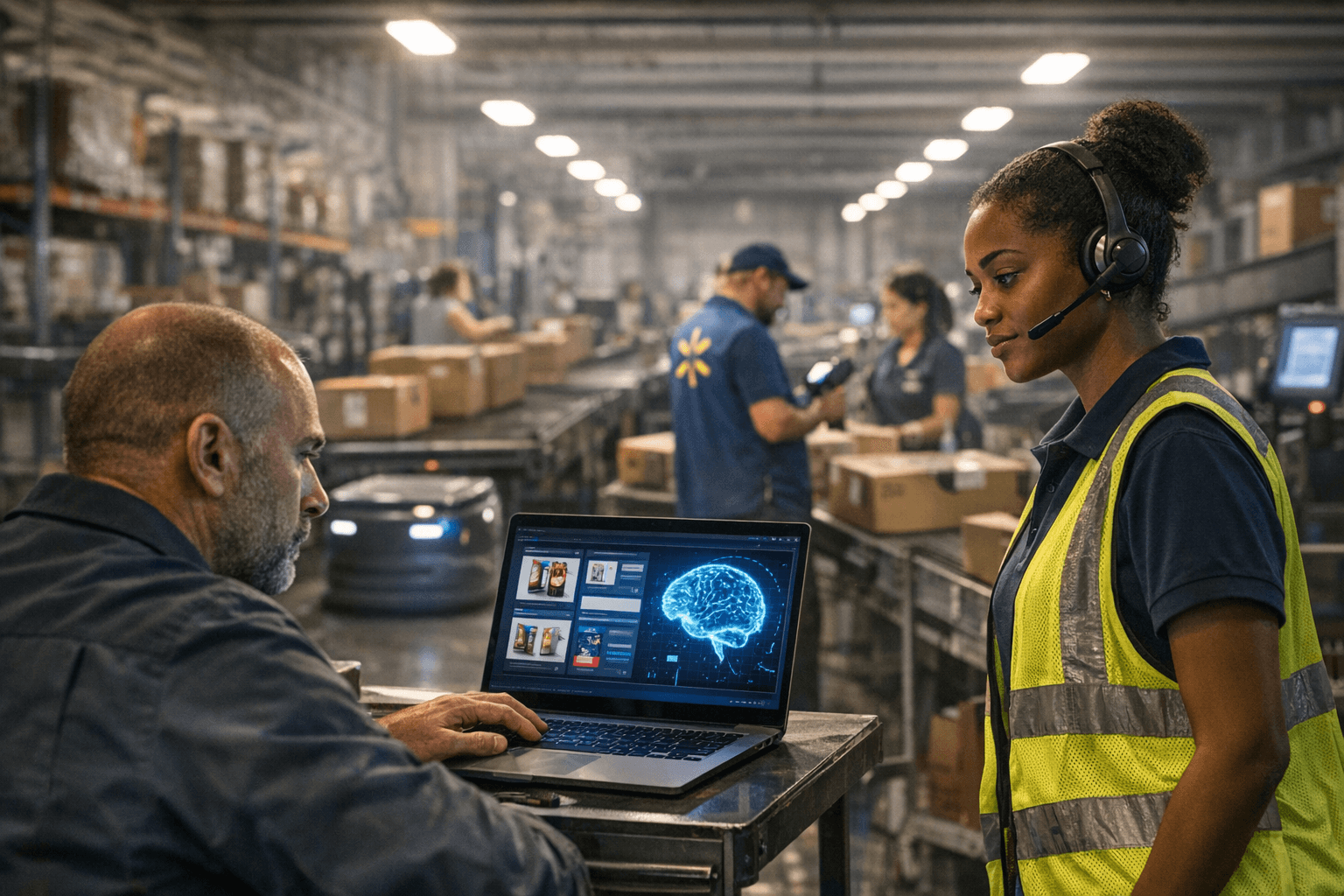
Store managers and hourly associates will be the first to adapt to embedded AI features in fulfillment and scheduling tools. Changes to workflows could affect how hours are allocated, how performance is measured and how backroom and frontline teams coordinate. The company’s emphasis on reskilling signals an intent to shift some tasks from routine execution to oversight and exception resolution, but the scale and timing of that transition were not specified.
For Walmart associates, the near-term impact will be a mix of new toolsets on tablets and point-of-sale systems, incremental efficiency gains and a push toward learning new skills. For managers, the focus will be balancing productivity gains with on-the-ground change management. As Walmart scales these systems beyond pilots, outcomes to watch include measured reductions in stockouts, changes in labor mix by task, and the speed and uptake of the planned reskilling programs.
Know something we missed? Have a correction or additional information?
Submit a Tip