Alfred Lin’s Amazon prediction for Walmart missed, retailer grew 30x instead
Alfred Lin once thought Amazon would kill Walmart. Instead, Walmart grew 30x and leaned harder on store workers, curbside, and inventory flow to keep its edge.

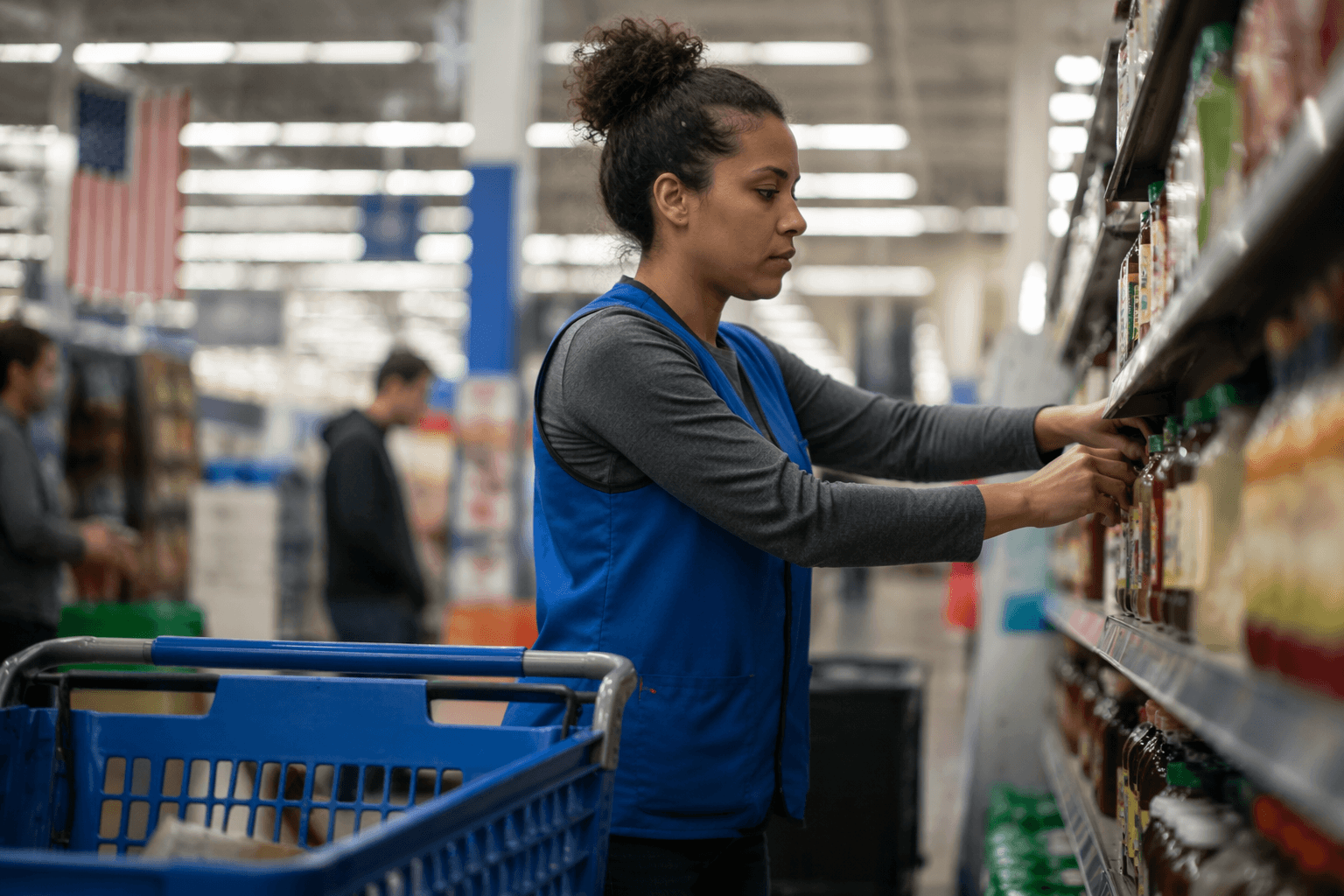
The most durable edge in retail turned out to be the least glamorous one: stores full of workers, stockrooms, pickup lanes and local inventory. Alfred Lin’s reminder that he once thought Amazon would wipe out Walmart now reads less like a prediction than a warning about how often outsiders underestimate the labor inside a big-box operation.
In Lin’s Sequoia talk this year, he said that in 1997 “it was obvious that the Internet would change everything,” that it took Amazon about 30 years to surpass Walmart in revenue, and that Walmart is still here and roughly 20x larger than it was. For Walmart associates, that matters because the company’s advantage has never rested on strategy alone. It has rested on whether store teams can keep freight moving, shelves stocked, curbside orders picked correctly and customers helped fast enough to make the store feel easier than a pure online cart.
Walmart’s own numbers show how far that model has scaled. In fiscal 1997, the company reported net sales of $104.859 billion and net income of $3.056 billion. By fiscal 2024, consolidated net sales had reached $642.6 billion and eCommerce sales hit $100 billion. Walmart U.S. accounted for $441.8 billion of net sales, or 69% of consolidated sales, showing that the core domestic store business still carried most of the load even as digital grew.
That store network has become the backbone of Walmart’s online push. In 2022, the company said it operated roughly 4,700 U.S. stores and that about 90% of Americans live within 10 miles of one. Walmart described those stores as “shoppable fulfillment centers,” using them for pickup, delivery, drones and third-party seller fulfillment. The company said U.S. digital sales grew 27% in fiscal fourth quarter 2022 and had posted double-digit percentage gains for 15 straight quarters, a run that depended on store execution as much as app design.
The apparel business shows why the physical footprint still matters. Walmart bought virtual fitting-room company Zeekit in 2021 and rolled out “Choose My Model” in 2022 to address fit and returns, a clear sign that e-commerce still struggles with the try-before-buy problem. Even so, the company’s early web effort in 1998, when Robert Davis brought a proposal to CEO David Glass, was not fully embraced. That hesitation gave Amazon room to build its own model, and in February 2026 Amazon finally passed Walmart in annual revenue, posting $716.9 billion to Walmart’s $713.2 billion. Amazon got there with cloud computing, advertising and seller services layered on top of retail.
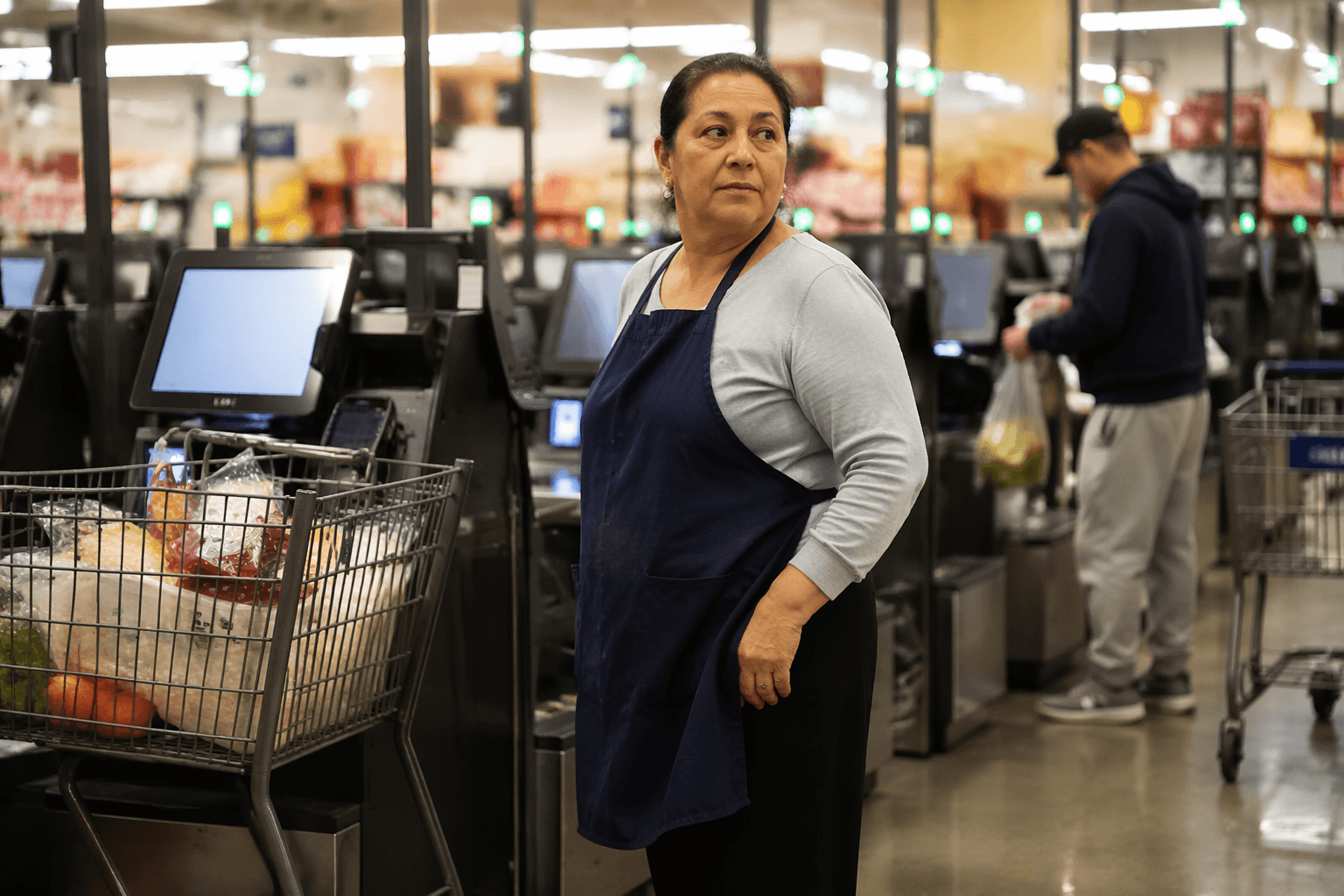
The workplace lesson is sharper than the investor headline. Walmart’s physical-store advantage still depends on hourly associates and managers doing the unglamorous work of making a store function like a warehouse, pickup hub and neighborhood shop at once. The question now is whether the company is asking workers to sustain that advantage faster than it is giving them the staffing, tools and support to do it.
This article was produced by Prism’s automated news system from verified source data, official records, and press releases, then run through automated quality and moderation checks before publishing. The system is built and supervised by the people who set the standards it runs under. Read our full AI policy.
Did this article answer your question?