Amazon Expands Ultra-Fast Delivery, Pressuring Walmart Store Fulfillment Teams
Amazon's 3-hour delivery now reaches 2,000+ locations, covering 90,000 products — directly challenging Walmart's claim it already serves 95% of U.S. households in under 3 hours.
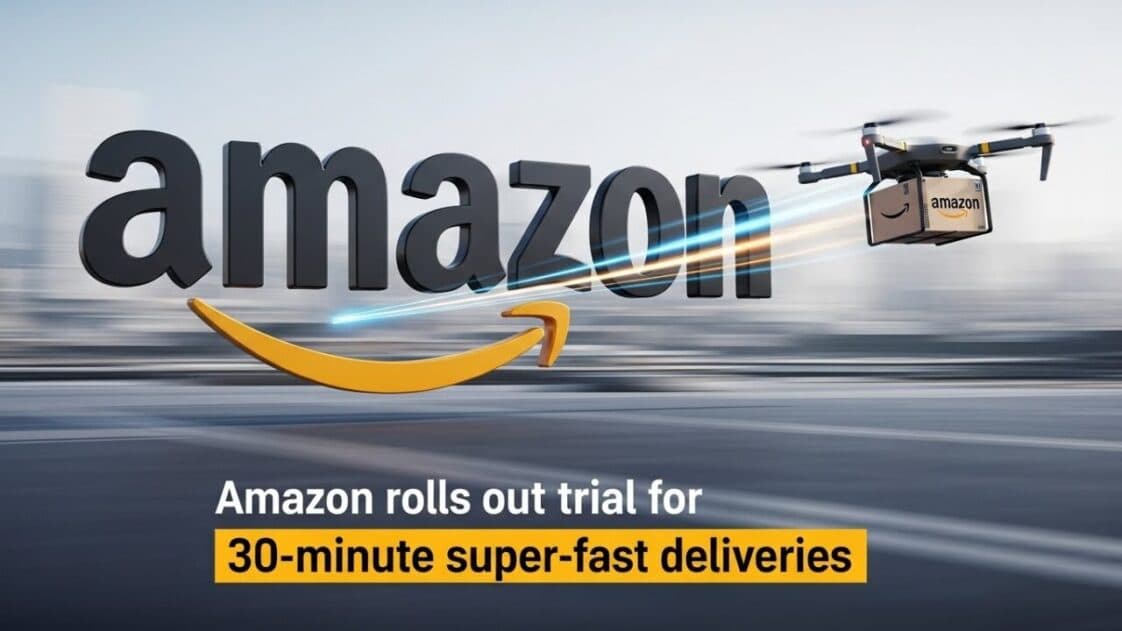
A flurry of activity on retail industry feeds this week centered on one number: more than 2,000. That's how many locations Amazon's three-hour delivery window now covers, part of an accelerated push the company rolled out that puts Walmart's store-fulfillment teams squarely in the crosshairs of a faster, broader logistics operation.
Amazon's one-hour delivery option is now available in hundreds of U.S. cities and towns, reaching major markets including Los Angeles, Chicago, Houston, Washington, D.C., Nashville, Oklahoma City, Des Moines, Boise, and American Fork, Utah. The three-hour network stretches further, covering not just large metros but mid-size communities and suburbs, with Amazon citing Cornwall, Pennsylvania; Harrah, Oklahoma; and Arabi, Louisiana as examples of its geographic reach.
Both tiers cover more than 90,000 products spanning pantry goods, beauty products, over-the-counter medications, electronics, toys, clothing, and home and garden supplies. Customers can locate eligible items through new app search filters labeled "In 1 Hour" and "In 3 Hours," or verify what's available in their zip code at amazon.com/getitfast.

The infrastructure behind the speed is significant. Amazon is leaning on predictive AI inventory placement algorithms that help forecast customer demand and strategically position products before orders are placed, alongside its existing Same-Day Delivery sites, which already function as all-in-one fulfillment hubs. Warehouse robotics are also part of the operation, allowing Amazon to compress pick-and-pack timelines in ways that traditional retail store fulfillment cannot easily replicate.
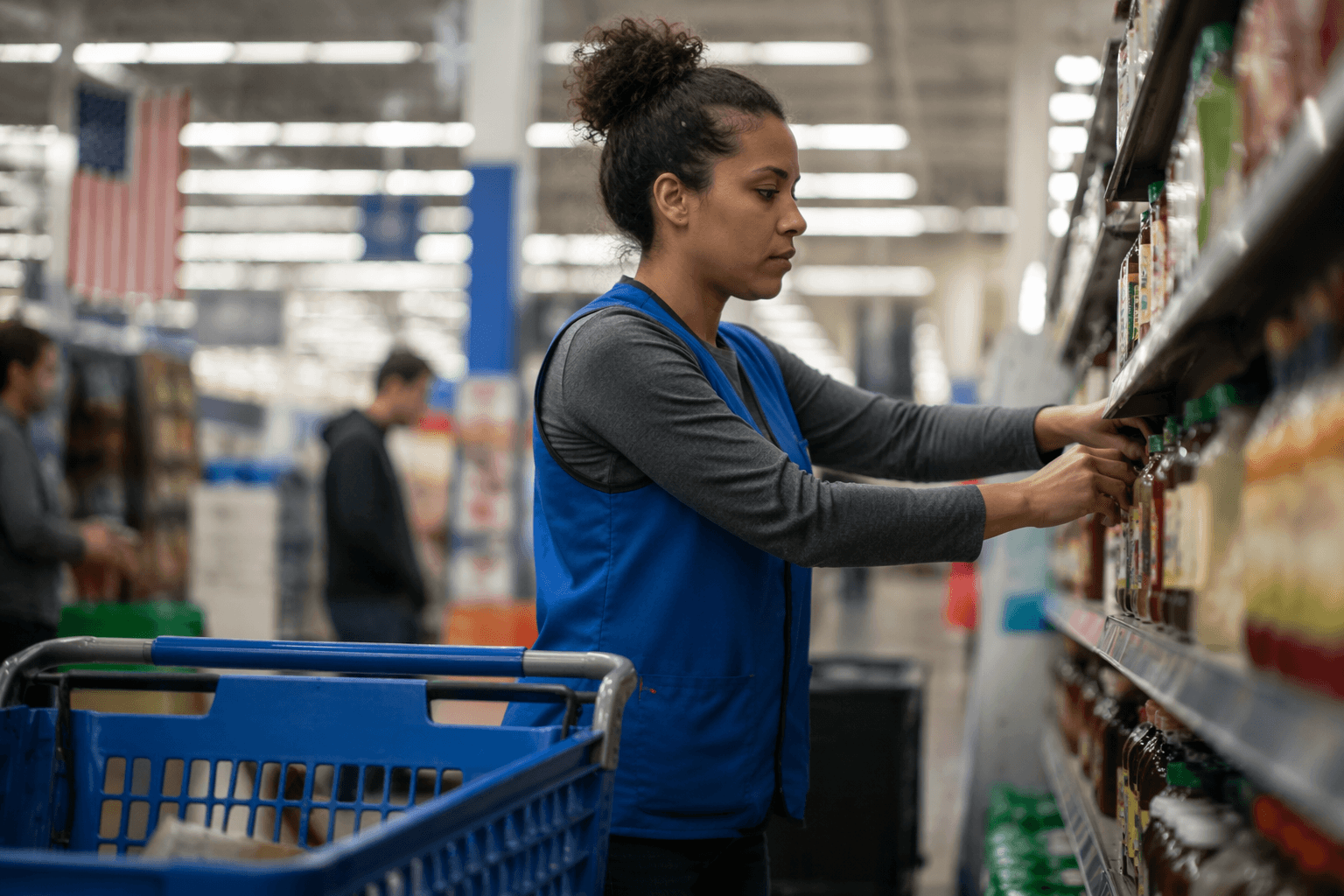
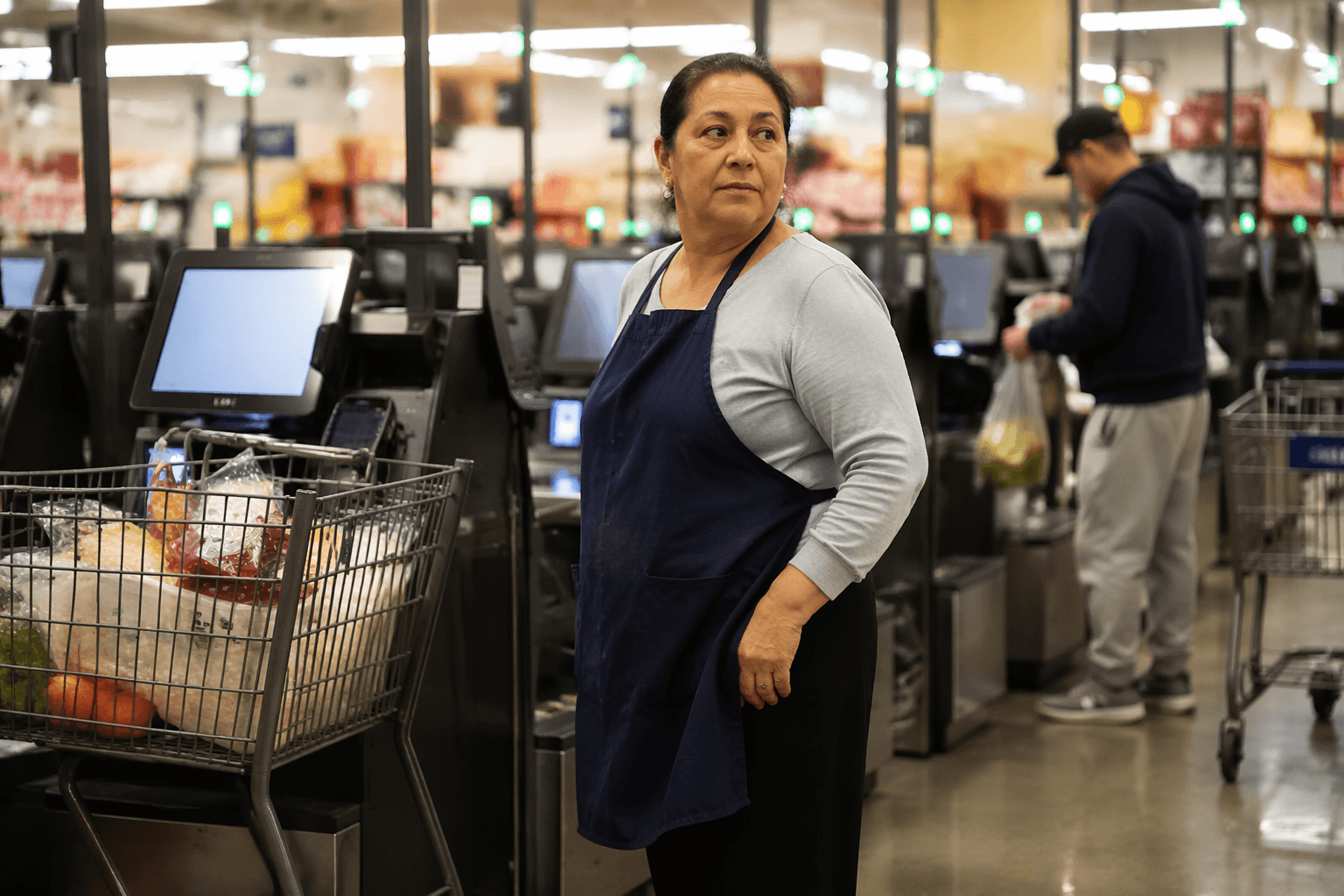
This is where Walmart's workforce feels the pressure most directly. In its fiscal fourth-quarter earnings presentation, Walmart told investors it offers store-fulfilled delivery to 95% of U.S. households in less than three hours. That's a significant operational claim, one that relies on store associates picking, packing, and staging orders across thousands of locations rather than routing them through purpose-built fulfillment centers. When Amazon expands its three-hour network to places like Harrah, Oklahoma and Arabi, Louisiana, towns that aren't exactly logistical hubs, it chips away at the geographic argument that Walmart's store footprint provides an inherent last-mile advantage.
For hourly associates working online order fulfillment and curbside, the pressure Amazon's expansion creates is unlikely to stay abstract for long. Faster delivery benchmarks tend to translate into tighter pick times, higher order volume targets, and more scrutiny on fill rates. Whether Walmart responds by investing in additional store-level technology, adjusting staffing models, or accelerating its own fulfillment infrastructure remains an open question.

Beyond ground delivery, both companies are competing on a parallel front: drone delivery. The race to reduce delivery times through aerial logistics adds another layer of urgency to the fulfillment arms race, though neither company has disclosed specific program timelines or coverage details for their respective drone operations.
What's clear is that Amazon's expansion sets a new public benchmark. Tens of thousands of everyday items available in an hour or less, in hundreds of American cities, fulfilled through AI-positioned inventory and dedicated hub sites, is a harder claim for competitors to match from store shelves alone.
This article was produced by Prism’s automated news system from verified source data, official records, and press releases, then run through automated quality and moderation checks before publishing. The system is built and supervised by the people who set the standards it runs under. Read our full AI policy.
Did this article answer your question?