Apollo Beach Opens; Walmart Plans Ocala in Data‑Driven Expansion, Boosting Jobs
Walmart opened a Supercenter in Apollo Beach on Jan. 14 and plans another in Ocala; the data-driven expansion will add retail service jobs and reshape local commercial markets.

Walmart opened a new Supercenter in Apollo Beach on Jan. 14, 2026, and has announced plans for additional Florida locations including Ocala as part of an early 2026 expansion driven by demographic and retail trends. The rollouts emphasize full-service store formats, with typical amenities such as a pharmacy, fuel station, vision center and expanded grocery offerings, signaling a broadening of local retail footprints and employment opportunities.
The Apollo Beach store arrival brings an anchor-scale retailer into a market that developers and landlords watch closely for increased foot traffic and leasing momentum. Supercenters tend to alter patterns of daytime and weekend activity, drawing customers with one-stop shopping and services that competitors may not match. For commercial real estate, that often translates into stronger demand for peripheral retail space and potential upward pressure on rents for street-front parcels and shopping centers nearby.
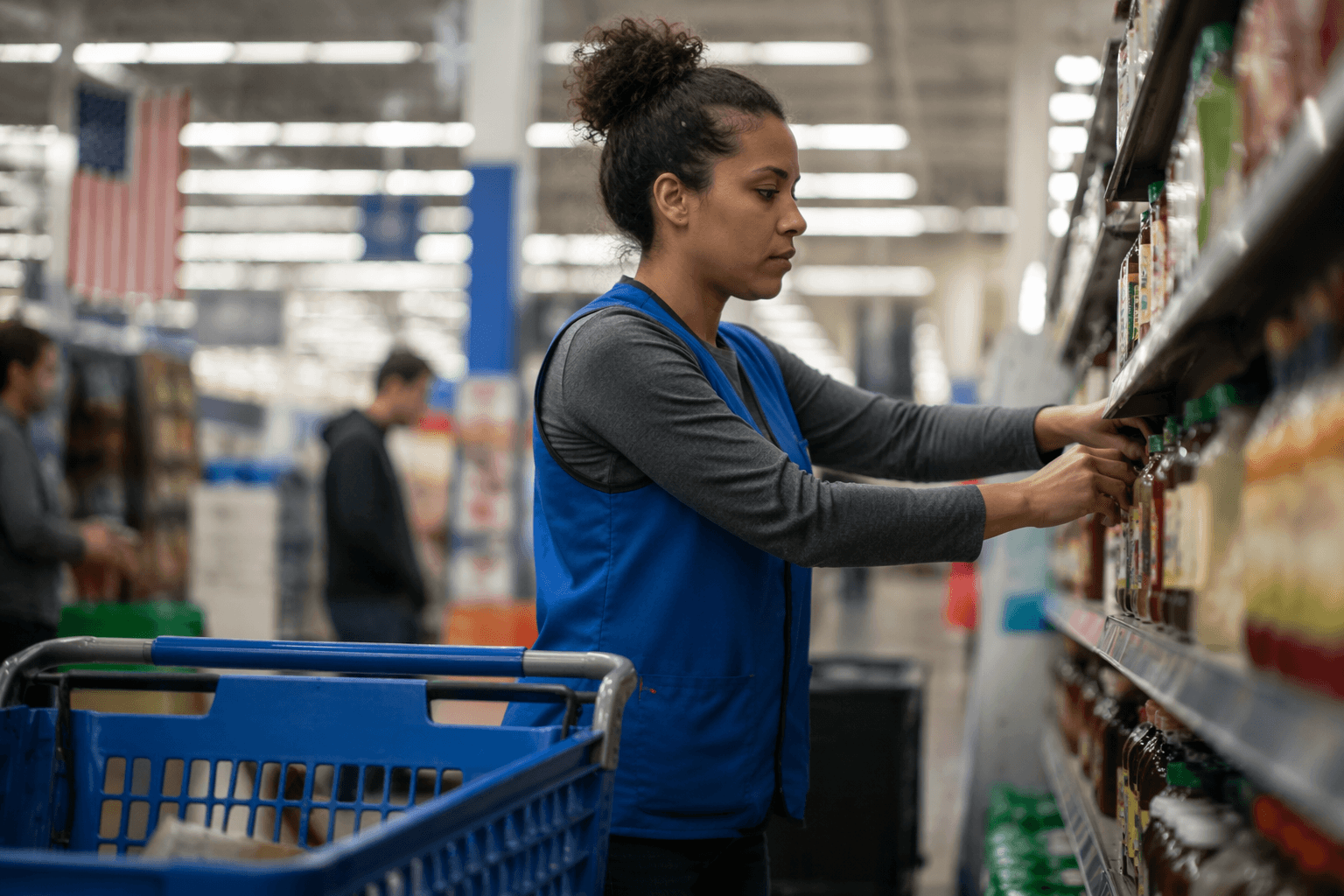
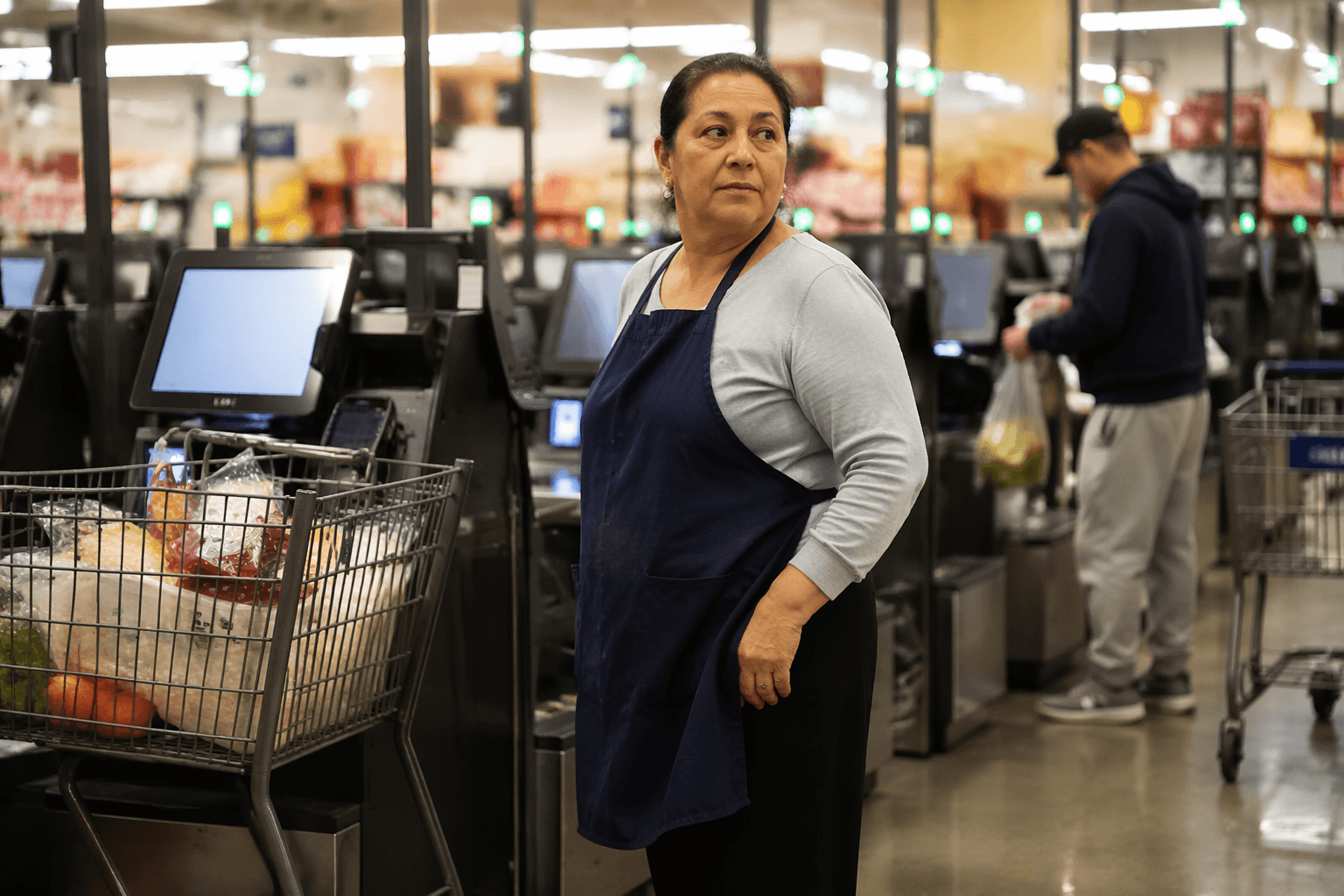
For workers, the format mix changes the hiring profile of a store. Pharmacies and vision centers require licensed technicians and clinical support roles, expanded grocery sections increase demand for stocking and fresh-produce specialists, and fuel operations add attendants and safety-compliance positions. Store teams also include customer-facing cashier and grocery fulfillment roles and a management layer that coordinates local operations. Those roles affect labor markets beyond the store itself, as competing grocers and independent retailers may adjust staffing and scheduling to respond to new competition.
Walmart frames these openings as data-driven decisions tied to population shifts and retail behavior in Florida. That approach typically uses consumer traffic models, household demographics and sales density analysis to site stores where they can capture market share quickly. In practice, that means retailers, landlords and local planners encounter concentrated development activity in corridors where population growth and retail demand intersect.

Neighborhood impacts extend beyond jobs and leasing. A new Supercenter can strengthen a shopping node that draws smaller operators, restaurants and services to the area, while also raising concerns about traffic, infrastructure and local small-business competition. Municipal planning departments and economic development offices often negotiate permitting, road improvements and workforce coordination as part of the rollout process.
As Walmart proceeds with its early 2026 openings in Ocala and other local markets, the immediate implications for readers are clear: new hiring and service opportunities will arrive alongside shifts in local retail mix and commercial real estate dynamics. Workers and local employers should watch for hiring announcements, permit filings and traffic studies that will spell out timing and specific community impacts.
This article was produced by Prism’s automated news system from verified source data, official records, and press releases, then run through automated quality and moderation checks before publishing. The system is built and supervised by the people who set the standards it runs under. Read our full AI policy.
Did this article answer your question?