Clarion Walmart Employee Charged With Stealing Nearly $200 in Merchandise
A Clarion Walmart associate faces up to 5 years in prison after loss prevention linked him to nearly $200 in stolen food and bedding, showing how small thefts compound fast.

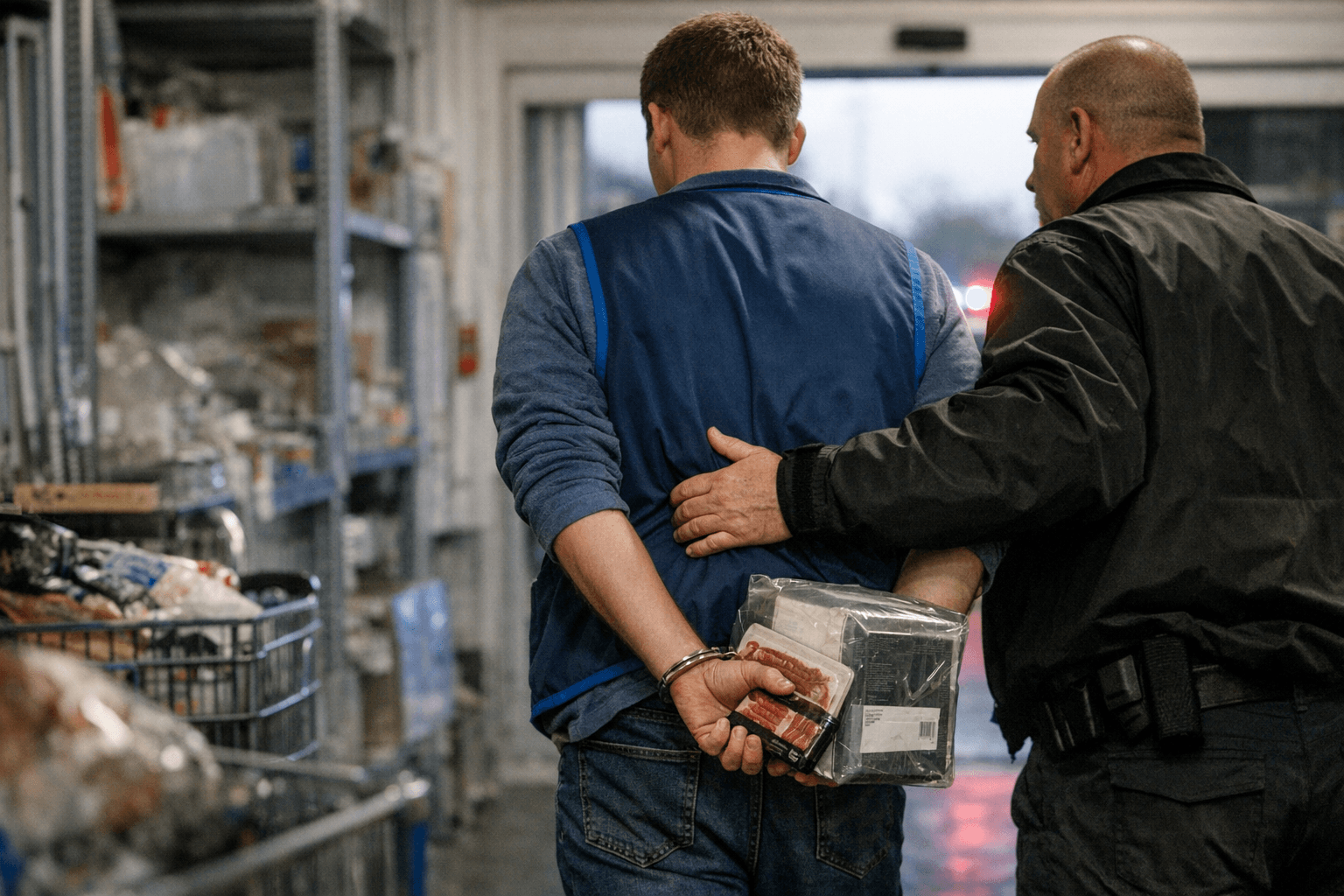
The criminal complaint reads like a receipt for a bad week: hot prepared food, bedding, paper goods, assorted merchandise. For Rashad Leroy Faulkner, 45, of Clarion, Pennsylvania, those items turned into criminal charges after loss-prevention investigators at the Perkins Road Walmart in Monroe Township connected them to a pattern of thefts stretching from February 11 to March 2. Pennsylvania State Police charged Faulkner, an employee at that store, with retail theft. A preliminary hearing is scheduled for April 14.
The nearly $200 total matters in ways that may not have been anticipated. Under Pennsylvania's retail theft statute, 18 Pa.C.S. § 3929, a first or second offense clears a critical legal line at $150. Below that threshold, a first-time offender faces only a summary offense: no jail time, a fine capped at $300. Above it, the charge grades up to a misdemeanor of the first degree, carrying a maximum of five years in prison and a $10,000 fine. The alleged value here sits roughly $50 above that dividing line.
Pennsylvania law makes the math even less forgiving. Prosecutors can aggregate theft amounts across multiple incidents, meaning five separate $35 takes add up to $175 in a single count rather than five petty summary charges. A third or subsequent retail theft conviction upgrades automatically to a third-degree felony, regardless of dollar amount. A 2024 state law, which created a new retail theft unit inside the Attorney General's office, also cut in half the dollar thresholds triggering felony classifications for organized retail crime.
The Perkins Road store has seen recurring cases. In October 2024, a Clarion woman was charged with felony retail theft for allegedly stealing more than $1,400 from the same location across two separate incidents. In February 2026, another Clarion woman faced charges after allegedly using a $20 bill found at a self-checkout machine to pay for her own items at the same store. Three distinct cases at one location within roughly 18 months tends to accelerate loss-prevention scrutiny across every shift.
Nationally, Walmart estimates it loses approximately $3 billion annually to shrinkage. Employee theft accounts for roughly 43% of total store losses at Walmart specifically. Industry-wide, the National Retail Federation's most recent published survey, covering fiscal year 2022, put average retail shrink at 1.6% of sales and $112.1 billion in losses, a 19.4% jump from the year prior. The NRF discontinued its 32-year annual shrink report in 2024 citing methodology concerns, but its figures consistently placed employee theft at approximately 29% of total retail shrink.
For associates who find themselves drawn into a loss-prevention investigation, the procedural protections are specific: request a People representative before answering questions, and keep a written record of your own recollection of events as soon as possible. Walmart's asset-protection policy instructs employees to observe, document, and report suspicious behavior without direct confrontation; trained loss-prevention staff and People/Legal handle any interviews or evidence-gathering. The Employee Assistance Program is available if the process becomes prolonged or stressful.
The $150 threshold in Pennsylvania law is not a technicality. It is the line between a fine-only summary offense and a criminal record that carries a potential five-year maximum sentence, and in the Faulkner case, a weeks-long pattern of small takes crossed it with room to spare.
Know something we missed? Have a correction or additional information?
Submit a Tip