Class action claims Walmart, PepsiCo coordinated to inflate soda prices
A proposed class action filed December 16, 2025 in federal court in New York accuses PepsiCo and Walmart of coordinating a decade long scheme that allegedly raised retail prices for Pepsi soft drinks. The suit seeks class status for consumers who bought Pepsi products from non Walmart retailers since January 2015, a case that could affect pricing practices, supplier relationships, and store operations across the retail sector.
A proposed class action complaint filed December 16, 2025 in the U.S. District Court for the Southern District of New York accuses PepsiCo and Walmart of coordinating a decade long scheme that inflated retail prices for Pepsi soft drinks. The plaintiffs say PepsiCo provided Walmart preferential wholesale pricing while raising prices for other retailers, creating a persistent price gap that reduced competition and harmed consumers.
The complaint, brought as Martin Gelbspan et al v. PepsiCo Inc and Walmart Inc, seeks class status on behalf of consumers who purchased Pepsi branded beverages from non Walmart retailers since January 2015. Plaintiffs allege the preferential deals produced a market dynamic in which competitors faced higher costs and were unable to match Walmart pricing without sacrificing margins.
Both Walmart and PepsiCo said they were aware of the litigation. Walmart said it remains committed to negotiating value for customers. The filing names specific industry practices as the core of the antitrust claim and asks the court to certify a class and to pursue damages and other relief on behalf of affected purchasers.
For employees and managers at Walmart and other retailers the litigation raises immediate operational and reputational implications. Category managers, buyers, and supply chain teams could face additional scrutiny of contract terms and promotional allowances. Store level associates may see changes in how Pepsi products are priced, displayed, or promoted if contracts are renegotiated or if the companies alter merchandising strategies in response to legal pressure.
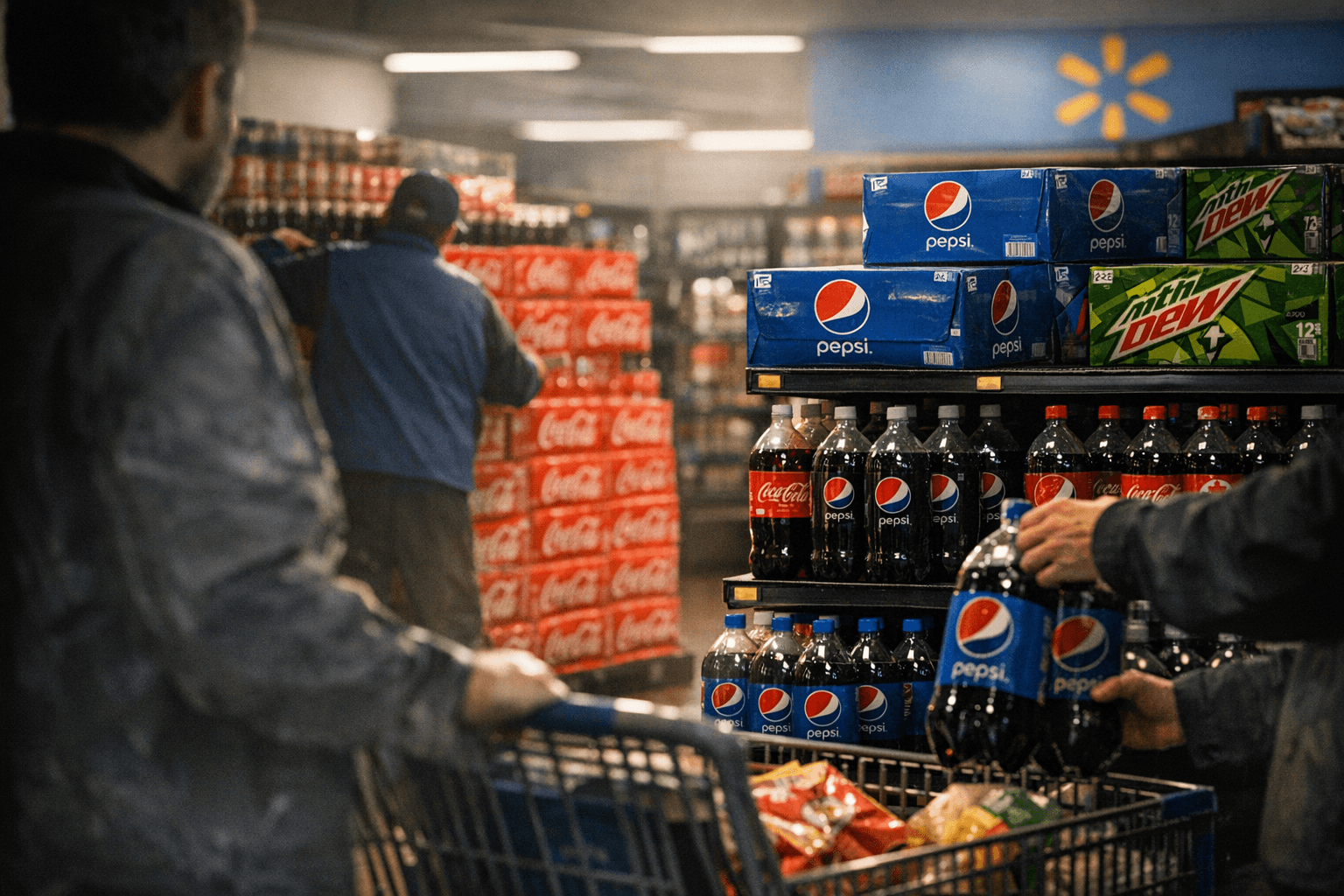
More broadly, the case highlights how supplier retailer relationships can ripple through the workplace. Legal exposure may prompt companies to invest more in compliance training and contract oversight, shifting resources within merchandising and legal departments. If the suit leads to settlements or injunctions, the result could be industry wide shifts in wholesale pricing and promotional programs, with downstream effects on store traffic, sales commissions, and local pricing decisions.
The litigation is in its early stages. Workers and managers should watch for public filings that specify requested remedies and for any corporate announcements about changes to pricing agreements or promotional practices that could affect day to day store operations.
Know something we missed? Have a correction or additional information?
Submit a Tip