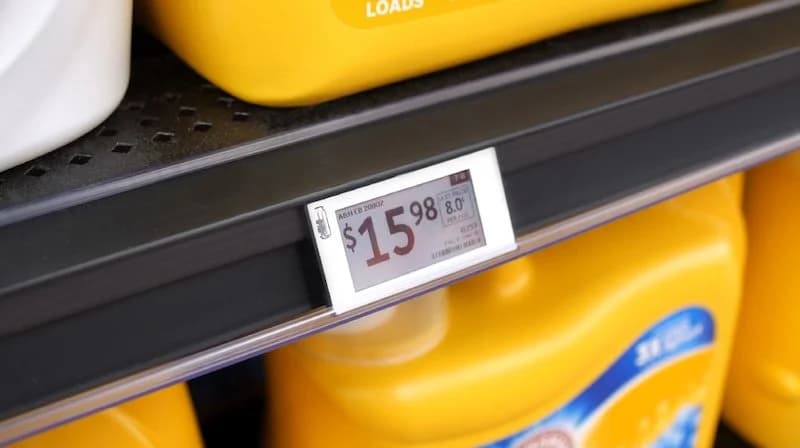
Costco Overtakes Walmart as Cheapest Grocery Retailer in the US
Costco's grocery prices are now 21.4% lower than Walmart's on average, according to a Consumer Reports analysis covering multiple U.S. metro areas.
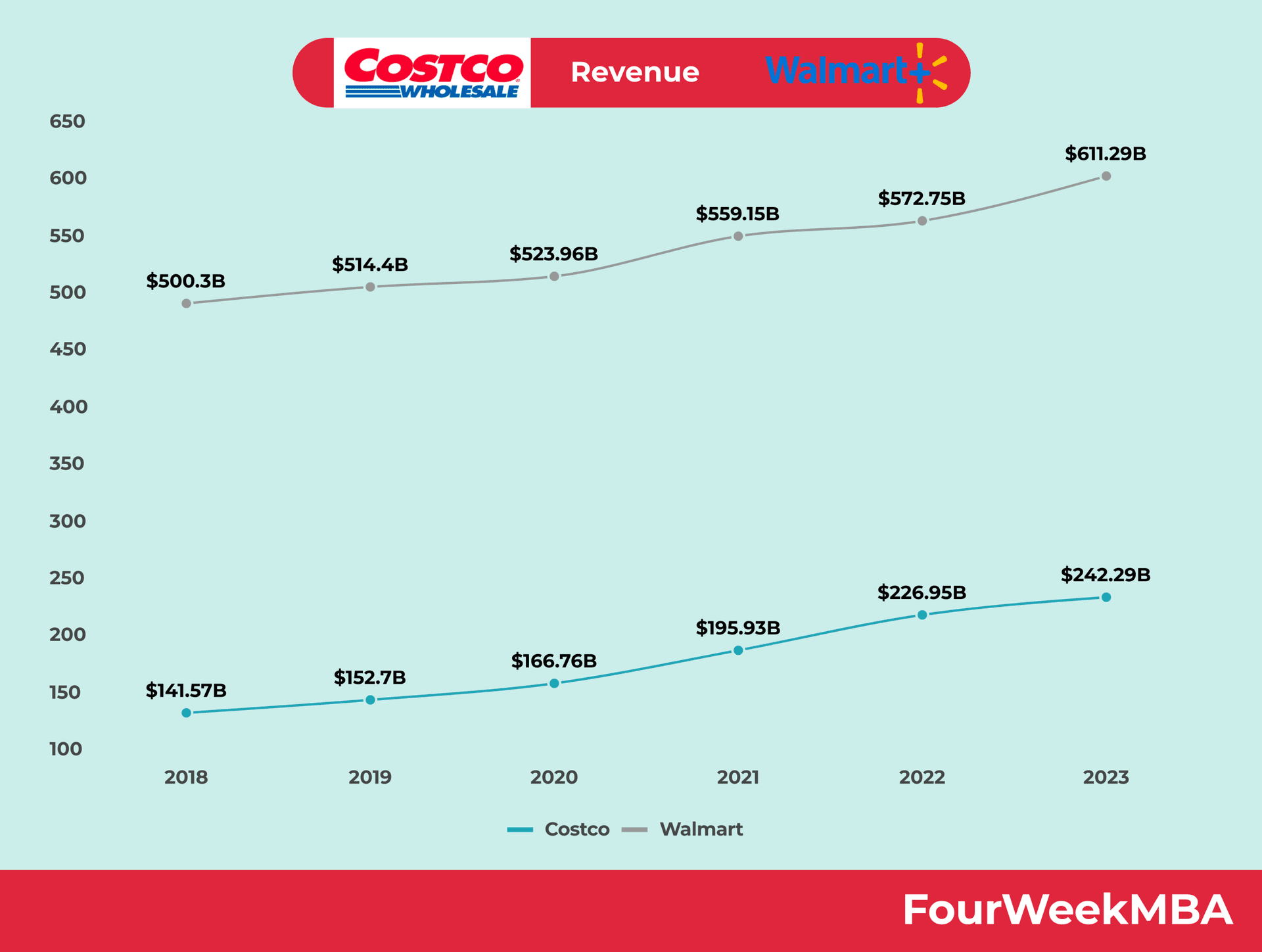
Walmart's decades-long reputation as America's price leader in groceries has a serious challenger. A Consumer Reports analysis has found that Costco now offers lower average grocery prices than Walmart across a range of common items, with Costco's prices running about 21.4 percent below Walmart's across multiple metropolitan areas surveyed.
The findings upend a pricing hierarchy that American shoppers have largely taken for granted. Walmart built its entire brand identity around "Everyday Low Prices," making the Consumer Reports comparison a direct challenge to one of retail's most durable assumptions. The analysis attributed Costco's pricing edge to its bulk purchasing model and overall pricing strategy, both of which allow the warehouse retailer to compress costs in ways a traditional big-box format cannot easily replicate.
Costco was not alone in undercutting Walmart. BJ's Wholesale Club, another membership-based warehouse retailer, came in roughly 21 percent cheaper than Walmart on average, placing it just behind Costco at the top of the affordability rankings. Discount grocers Lidl and Aldi followed, with prices around 8 percent below Walmart's. WinCo landed approximately 3.3 percent cheaper, while H-E-B, the Texas-based regional chain, edged out Walmart by about 0.2 percent, the narrowest margin in the study.
The pattern held across geography. Costco consistently delivered some of the lowest prices across the multiple metropolitan areas the analysis covered, suggesting the advantage is structural rather than a product of local pricing quirks.

There are real caveats for Walmart associates and shoppers weighing these numbers. Both Costco and BJ's Wholesale Club require paid memberships, a cost the analysis does not appear to have folded into the per-item price comparisons. Buying in bulk, the mechanism that drives much of Costco's pricing advantage, works differently for a single-person household than for a large family. The analysis itself acknowledged that shopping habits and bulk purchasing can influence what individual households actually pay at the register.
For Walmart, the competitive picture is notably more complicated than a single ranking suggests. The retailer still beats or matches most conventional supermarkets on price, and its store count and convenience remain unmatched. But the Consumer Reports data reflects a broader shift: warehouse clubs and hard discounters have steadily eroded the assumption that Walmart is automatically the cheapest option for any given grocery run.
The intensifying competition arrives against a backdrop of sustained economic pressure on consumers, with shoppers increasingly willing to comparison-shop, change their buying patterns, or absorb a membership fee if the per-unit savings justify the cost. Costco's 21.4 percent average price advantage over Walmart suggests that for households who can buy in volume, the math has shifted decisively.
Know something we missed? Have a correction or additional information?
Submit a Tip