Federal appeals court keeps Walmart harassment case alive
A Tenth Circuit panel revived Jerry Sharpe-Miller’s hostile-work-environment claim, keeping Walmart in a case that spotlights how harassment complaints get handled on the floor.
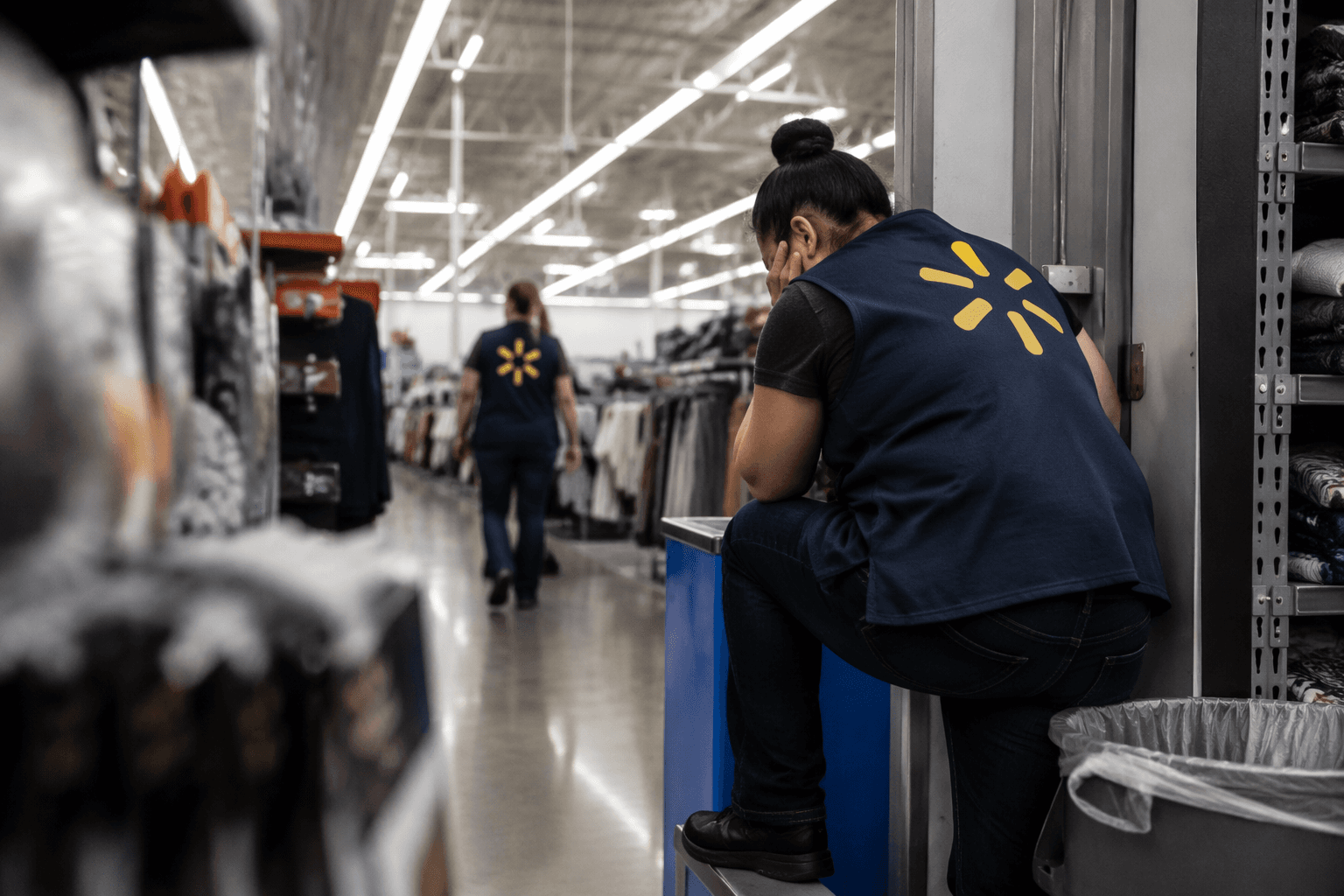
Walmart must keep defending Jerry Sharpe-Miller’s hostile work environment claim after a Tenth Circuit panel revived the case, leaving associates and managers with a blunt reminder that harassment complaints can become a companywide compliance problem fast. The appeals court issued the decision July 13, 2026, and the case came out of the U.S. District Court for the District of New Mexico in Albuquerque. For store leadership, the practical issue is whether complaints are documented, escalated through Open Door, and handled before slurs and mistreatment harden into litigation.
The appeal is Jerry Sharpe-Miller v. Walmart, Inc., No. 24-2055. The panel revived Sharpe-Miller’s hostile-work-environment theory after finding the district court wrongly granted summary judgment to Walmart, while affirming part of the lower court’s ruling. The Equal Employment Opportunity Commission appeared as amicus curiae. Sharpe-Miller was represented by Derek V. Garcia of New Mexico Legal Aid, Inc., and Walmart was represented by Larry J. Montaño of Holland & Hart LLP.

The underlying claim centers on anti-gay slurs and workplace mistreatment, the kind of complaint that should trigger a fast management response, careful documentation, and an escalation path that does not stop at a single supervisor. For hourly associates, that means saving dates, names, and details if the problem grows. For department managers and assistant managers, it means taking the first report seriously, recording it, and moving it through the company’s reporting channels instead of treating it as a personal dispute.
The ruling also puts Walmart’s training and response procedures under a harder light. In a business with thousands of stores, large teams, high turnover, and uneven training across shifts, the gap between a written respectful-workplace policy and what happens on a sales floor can decide whether a complaint fades or survives in court. That is why the facts in Sharpe-Miller’s case matter beyond one store: they test whether managers recognize harassment early enough to stop it.
The larger backdrop is federal law after the Supreme Court’s 2020 Bostock v. Clayton County ruling, which barred discrimination against gay and transgender workers, and the EEOC’s 2024 harassment guidance, which treats harassment based on sex to include sexual orientation and gender identity-related conduct. The Tenth Circuit’s ruling keeps that framework in play for Walmart workers who expect complaints about anti-gay conduct to be handled before they become a federal case.
This article was produced by Prism’s automated news system from verified source data, official records, and press releases, then run through automated quality and moderation checks before publishing. The system is built and supervised by the people who set the standards it runs under. Read our full AI policy.
Did this article answer your question?