Free America Walkout Disrupts Walmart Stores, Tests Attendance and Scheduling
Free America Walkout disrupted Walmart stores and tested attendance and scheduling, showing how mass withdrawal tactics can strain retail staffing and hourly workers' pay.
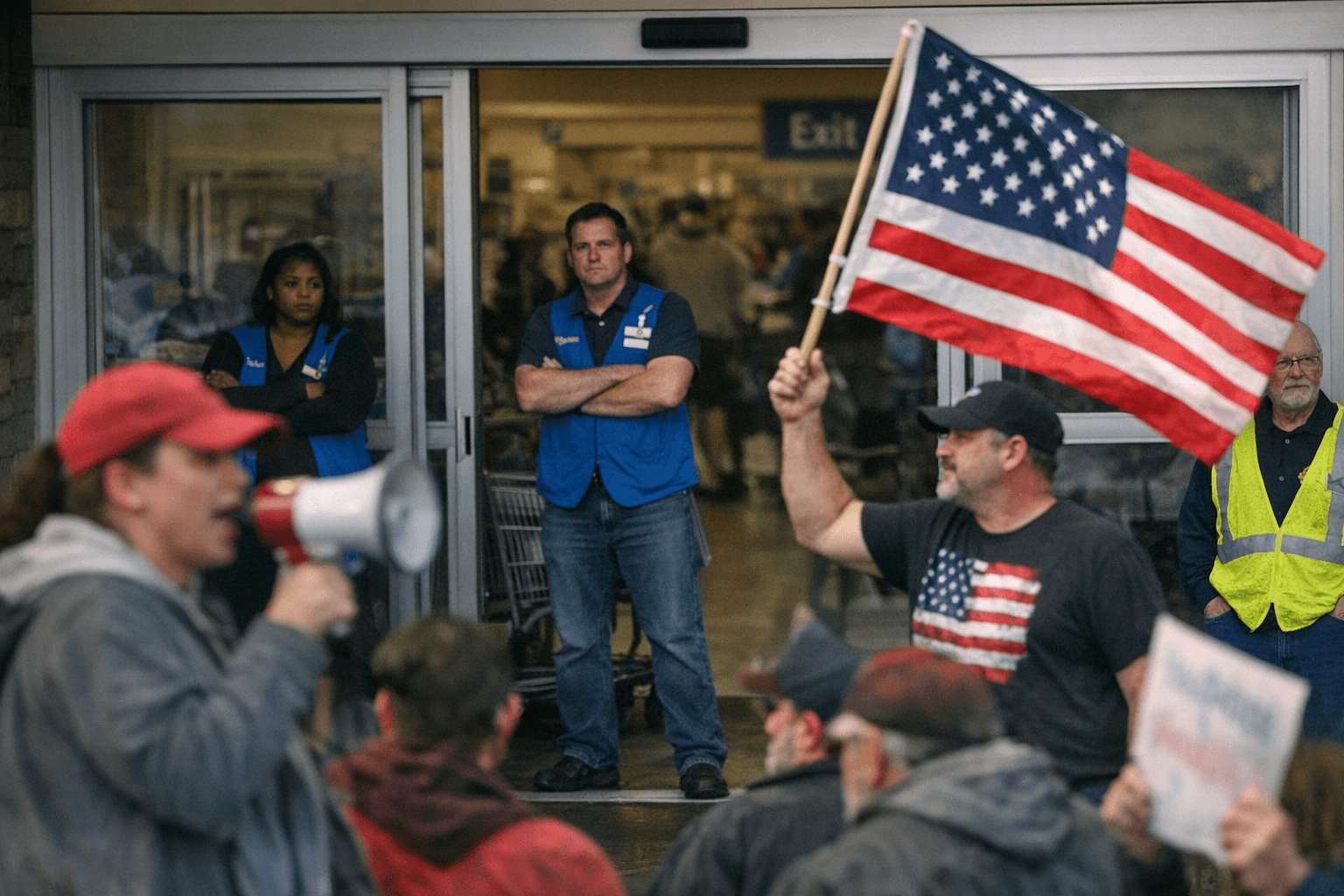
Many Walmart stores experienced staffing disruptions and altered operations after employees and community members participated in the Free America Walkout, a coordinated day of labor and civic protest. The action drew on economic-withdrawal tactics that encouraged participants to withdraw labor and commercial activity as a show of political opposition, and its effects rippled through retail schedules and manager coverage plans.
The walkout took place on January 20, 2026, coinciding with the anniversary of the president’s second inauguration. Organizers planned widespread walkouts across cities and sectors, and retail locations were among the public-facing businesses affected. Workers who left shifts or declined to clock in to support the protest confronted the immediate realities of hourly retail work: lost hours, heavier workloads for remaining staff, and potential conflicts with employer attendance rules.
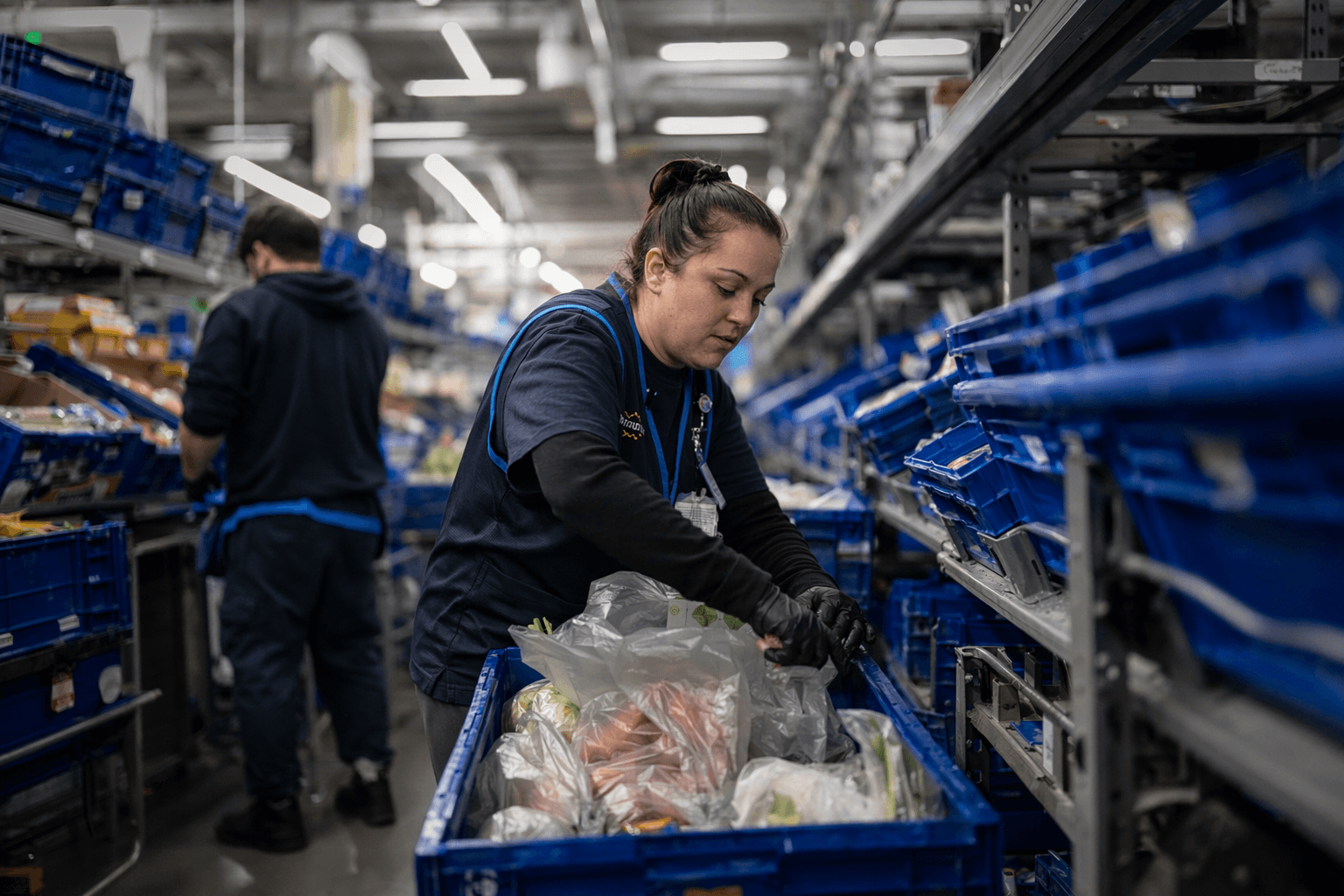
For many Walmart associates, predictable scheduling and steady hours are central to household budgets. Shortened shifts, unexpected call-outs, or unfilled open shifts can translate directly into reduced earnings. Managers at affected stores scrambled to cover registers, restock floors, and assist customers, often relying on available part-timers, managers working extra hours, or last-minute shift adjustments to keep doors open. Those operational responses can increase workplace stress and lengthen shifts for staff who remain on the clock.
Attendance and discipline policies loomed large after the walkout. Depending on local law and company rules, employees who leave without approved time off may face corrective action. That dynamic puts frontline workers in a bind: taking part in a civic protest can carry immediate financial and job-security costs even as it aims to pressure employers and policymakers in the longer term.
The event also highlighted tensions between collective labor actions and scheduling technology. Retailers that use automated scheduling or strict point systems for attendance must choose whether to enforce existing penalties, grant exceptions, or temporarily relax rules. Those decisions shape labor relations and can influence whether workers view future protest tactics as viable.
For Walmart employees and managers, the Free America Walkout is likely to prompt fresh conversations about scheduling fairness, emergency coverage, and how attendance policies are applied during politically driven disruptions. Employees should review their attendance policies, document communications with supervisors, and weigh the financial implications of taking part in future actions. Employers will be watching whether this wave of coordinated withdrawal leads to policy changes, new scheduling flexibility, or heightened scrutiny of hourly labor practices in the months ahead.
Know something we missed? Have a correction or additional information?
Submit a Tip