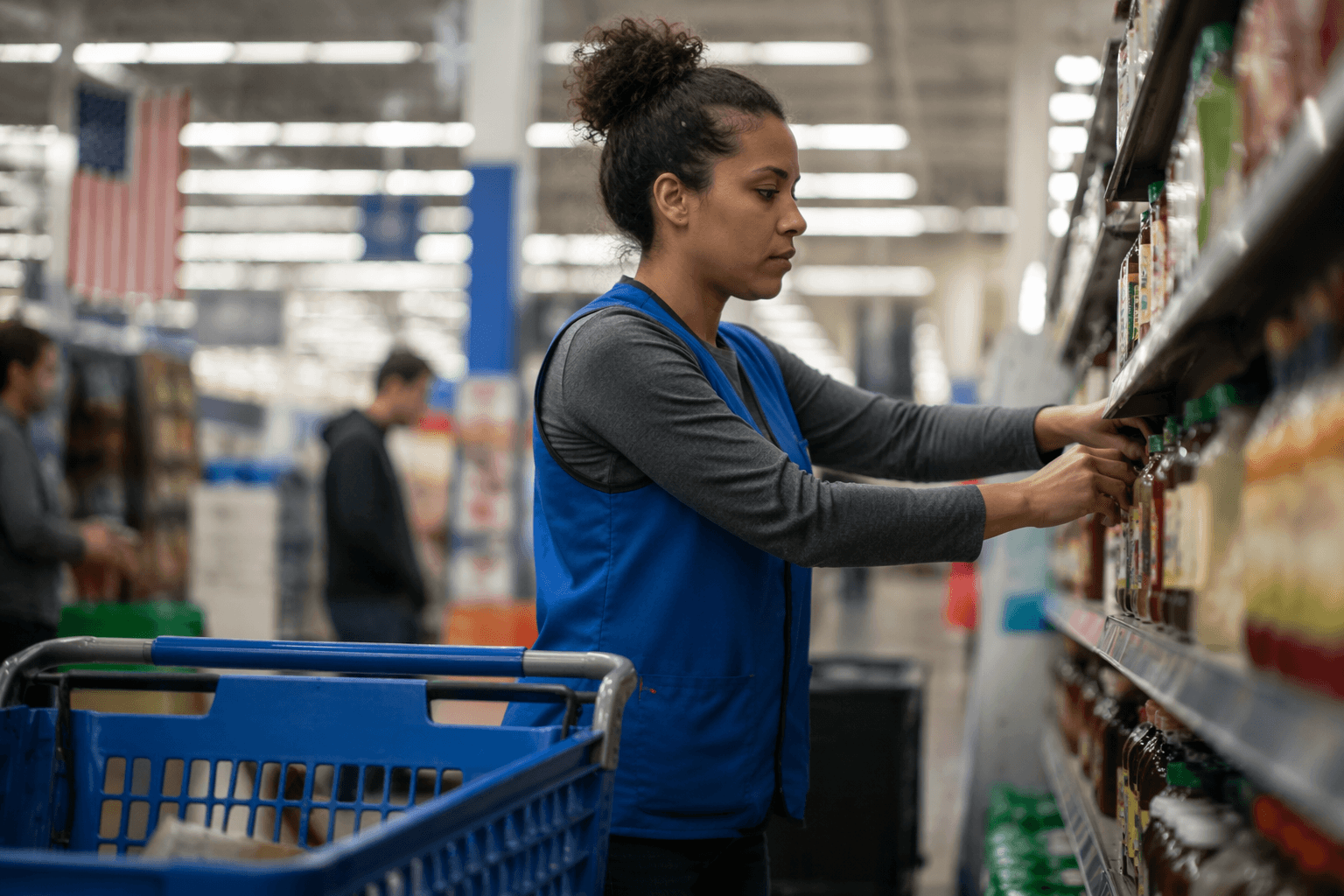
Immigration enforcement detentions at Twin Cities stores raise safety concerns
Federal immigration enforcement led to detentions at Twin Cities big-box stores, including Walmart, prompting calls for clearer staff guidance and safety measures.
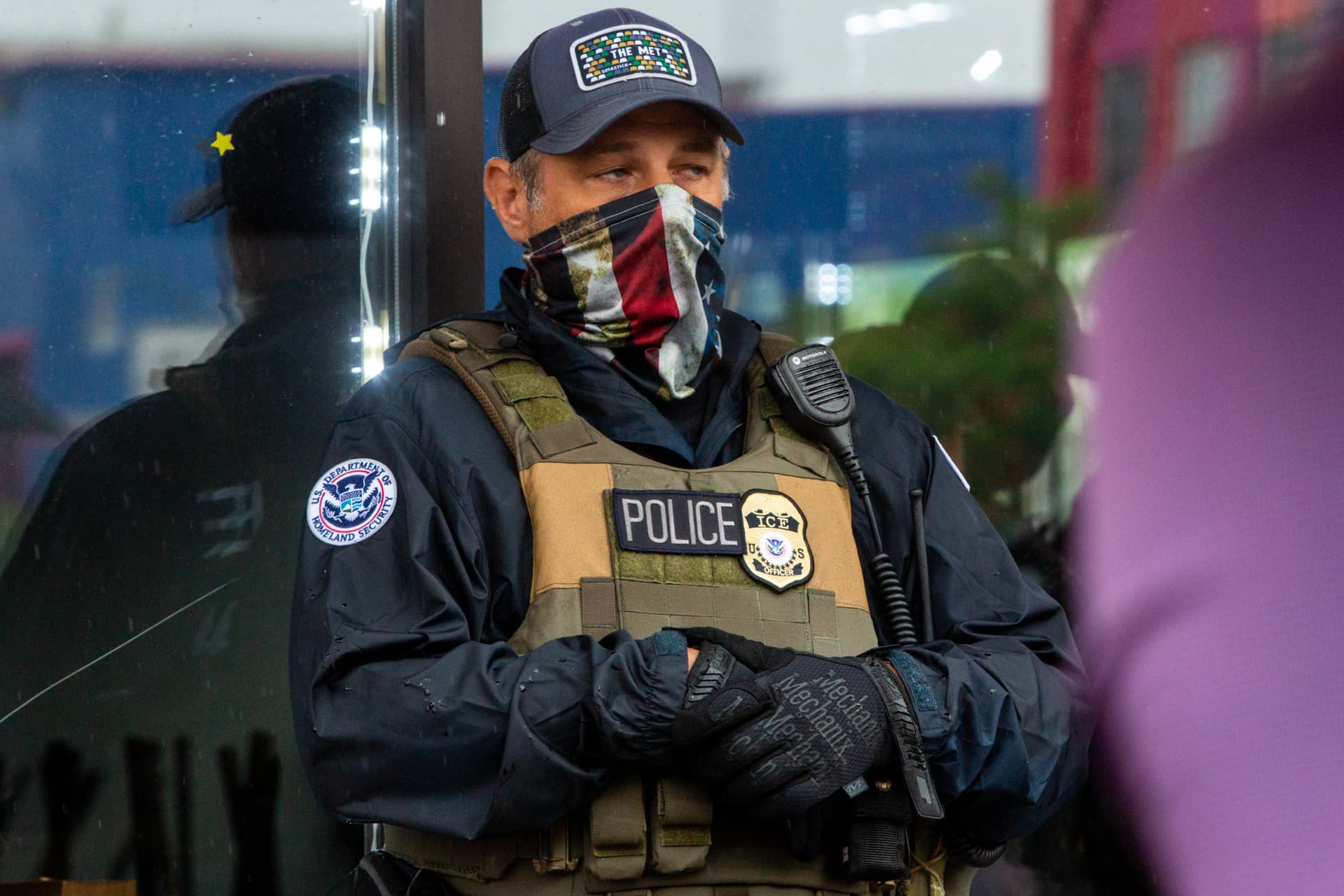
Federal immigration enforcement swept through Twin Cities retail sites the week of Jan. 12, 2026, resulting in detentions both in parking lots and inside stores and prompting protests and questions from local officials. The actions included multiple incidents near major big-box retailers; law-enforcement activity touched Walmart locations in the region, where officials detained at least two people inside stores during the same period.
The wave of enforcement has put front-line associates and managers on alert. Local activists and city leaders urged retailers to spell out policies for employees who encounter law enforcement and to provide training on how to respond in public-facing situations. Some stores responded by temporarily reassigning staff away from curbside and drive-up duties to reduce direct exposure to enforcement activity and to limit confrontations in parking areas.
Retail operators described a limited legal ability to block law enforcement from public spaces such as parking lots or sidewalks adjacent to stores. That constraint complicates efforts to create clear boundaries between customer-facing retail operations and federal action on public property. Walmart declined to comment on specific incidents when asked, and other retailers emphasized similar legal limits in their responses.
For associates, the immediate implications are practical and personal. Workers report heightened anxiety about interacting with customers and law enforcement, particularly in roles that require direct contact at entrances, curbside pickup points, or in loss-prevention and asset-protection duties. Managers face the challenge of balancing customer service, associate safety, and compliance with law enforcement requests without formal, uniform guidance from corporate or local authorities.

The incidents have also triggered reputational concerns for retailers operating in diverse communities. Community protests outside affected stores pressured local officials to seek commitments from major chains for clearer internal policies and better employee training. Labor advocates say clearer protocols and access to legal resources for associates are necessary steps to protect workers' rights and safety on the job.
What comes next for Walmart associates and other retail workers in the Twin Cities is likely to be incremental. Expect communications from stores and district managers outlining temporary operational tweaks, potential targeted training for curbside and front-end teams, and continued scrutiny from local officials and community groups. Workers should watch for guidance from supervisors and know that managers will be under pressure to reconcile safety, service, and legal realities in the weeks ahead.
This article was produced by Prism’s automated news system from verified source data, official records, and press releases, then run through automated quality and moderation checks before publishing. The system is built and supervised by the people who set the standards it runs under. Read our full AI policy.
Did this article answer your question?