Levitz rejects claims Medicaid and food stamps subsidize Walmart wages
Twelve million wage-earning adults were on Medicaid, but that did not prove public aid was subsidizing Walmart pay. The real fight is over coverage, hours and wages, not slogans.

Twelve million wage-earning adults were enrolled in Medicaid and 9 million wage-earning adults lived in SNAP households, but Eric Levitz argues that number does not prove public benefits are propping up Walmart wages. His point is that public assistance use and employer compensation are not the same thing, and confusing the two can push policymakers toward fees that hit low-income workers instead of expanding coverage.
The Government Accountability Office found in October 2020 that about 70% of those wage-earning adult Medicaid enrollees and SNAP recipients worked full-time weekly, and about 90% worked in the private sector. The report also said its employer analysis drew on 15 state agencies across 11 states and was explicitly non-generalizable, a limitation that matters when lawmakers try to turn the data into a sweeping case against big retailers.

That distinction is now at the center of a policy fight that reaches Walmart directly. New Jersey Gov. Mikie Sherrill proposed a fee on large employers with workers on Medicaid, saying taxpayers spend hundreds of millions of dollars each year covering employees at companies like Amazon, Walmart and Target. In Colorado, House Bill 26-1327 would charge $2,300 a year for each supported worker receiving medical assistance benefits. Levitz says those ideas would likely hurt low-income workers and reinforce employer-provided health insurance instead of expanding public coverage.
For Walmart associates, the debate lands on concrete issues: whether hours are stable enough to keep benefits, whether a part-time schedule ever reaches the threshold for medical coverage, and whether take-home pay keeps pace with basic expenses. Walmart’s benefits materials say part-time and temporary associates generally become eligible for medical benefits after averaging at least 30 hours a week over a 60-day measurement period. Walmart’s 2024 annual report said the company employed 1.6 million people in the U.S., and it reported an average hourly wage for frontline associates of about $17.50 in early 2024, later described as close to $18.
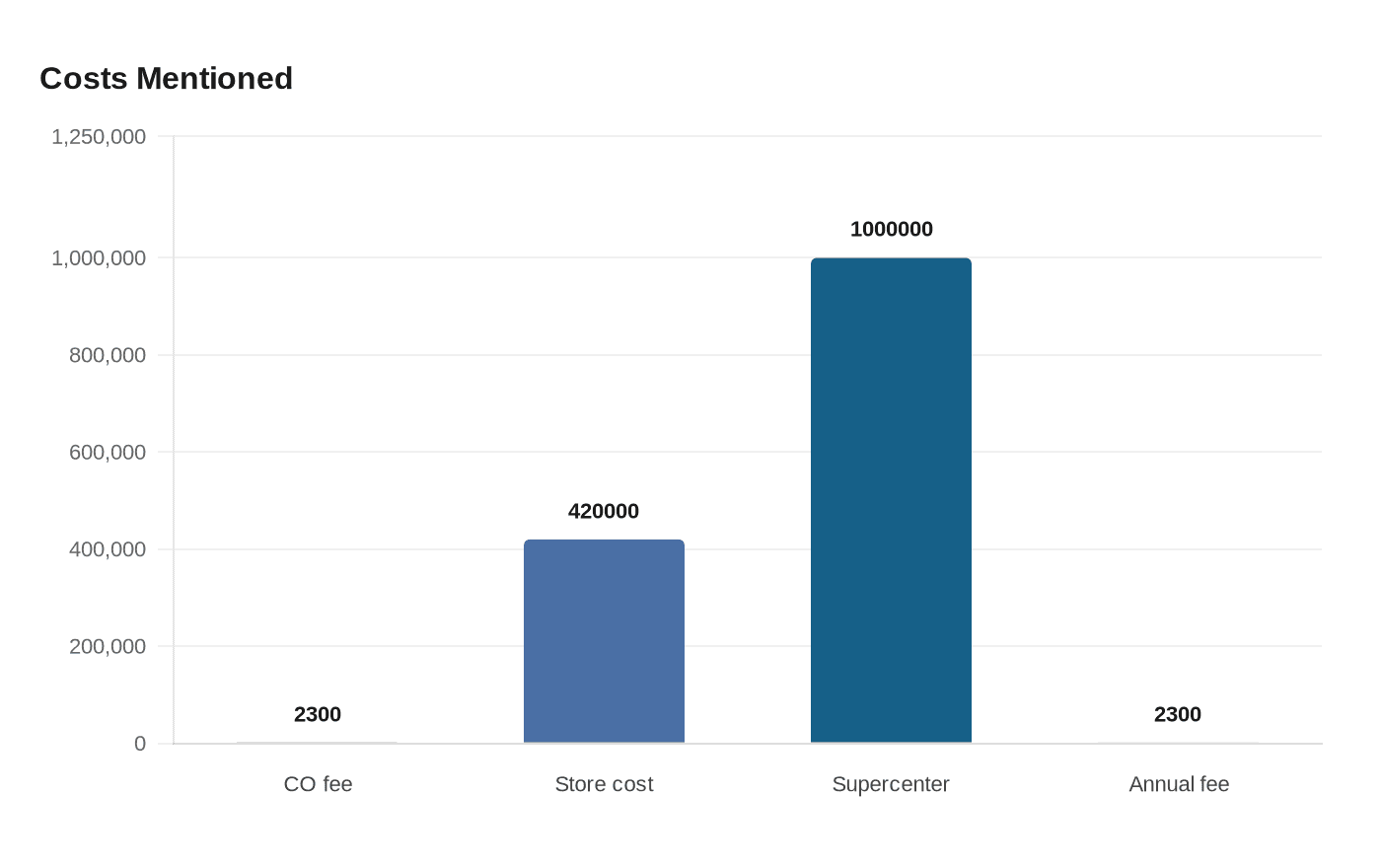
The argument has deep roots. In 2020, Sen. Bernie Sanders said Walmart and McDonald’s were relying on “corporate welfare” by paying “starvation wages.” A 2011 House Democratic staff report estimated that a single 200-employee Walmart store cost taxpayers more than $420,000 a year in public assistance and related supports, and said a Supercenter with roughly 300 employees could cost about $1 million. Walmart has disputed that framing, saying the figures were taken out of context and emphasizing its role as one of the country’s largest employers. What matters now is whether lawmakers want to change wages, hours or health coverage, because those are the levers that would actually move the bill for Walmart workers.
This article was produced by Prism’s automated news system from verified source data, official records, and press releases, then run through automated quality and moderation checks before publishing. The system is built and supervised by the people who set the standards it runs under. Read our full AI policy.
Did this article answer your question?