Moody's keeps retail outlook negative, but value chains like Walmart hold up
Walmart’s value model can cushion a weak retail market, but the real test for associates is whether that strength turns into steadier hours and fewer cuts.
Why Moody’s negative retail outlook matters on the floor
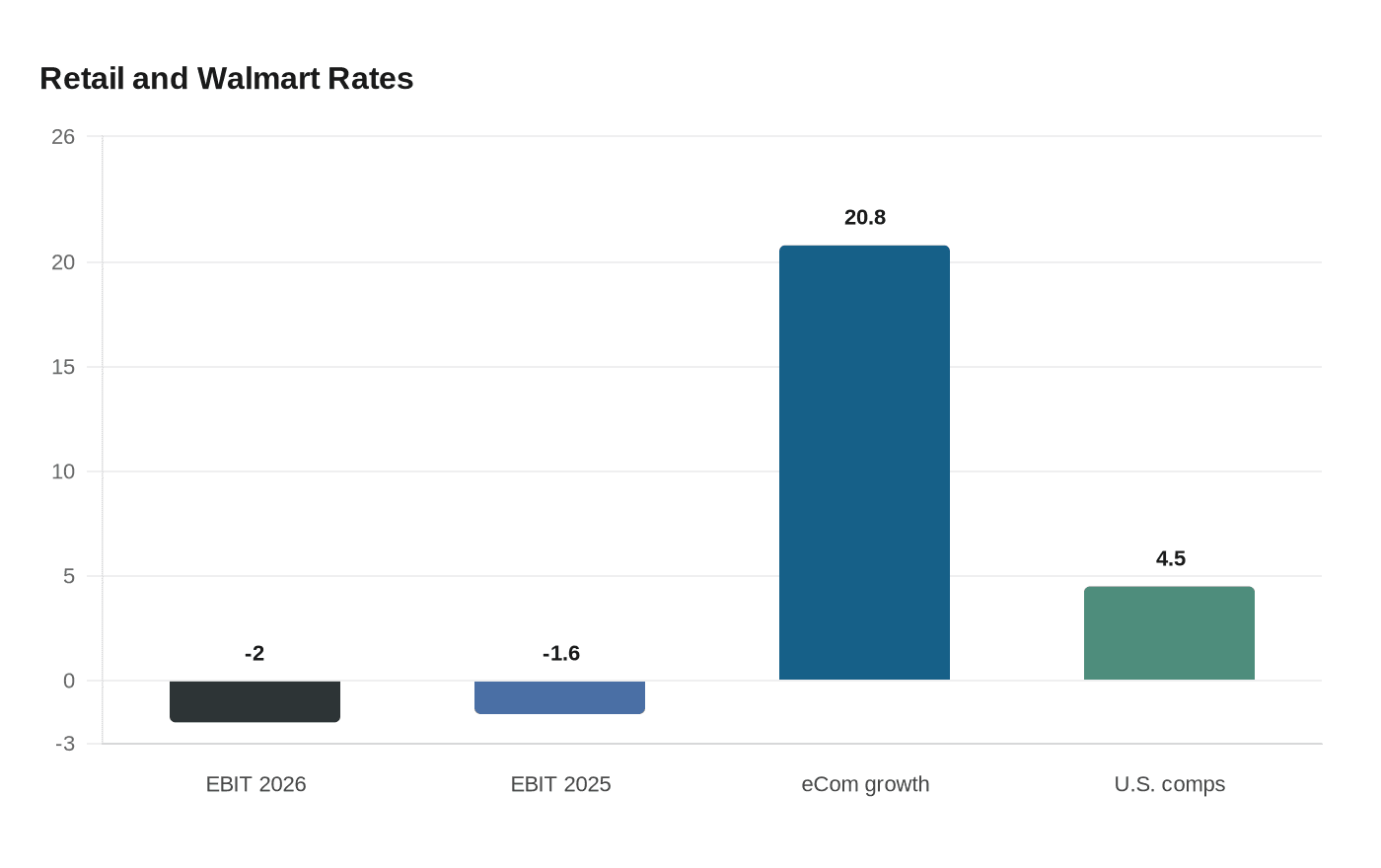
Moody’s is still calling the global retail and apparel sector negative heading into 2026, and that is not just Wall Street noise. The agency expects adjusted EBIT across the sector to be flat or down about 2 percent this year, after a 1.6 percent decline last year, as high prices, cautious consumers, and a sluggish labor market keep pressure on sales. Tariffs are adding another layer of strain, with Moody’s saying they should materially affect retail earnings through at least the first quarter of 2026, especially for apparel and footwear.
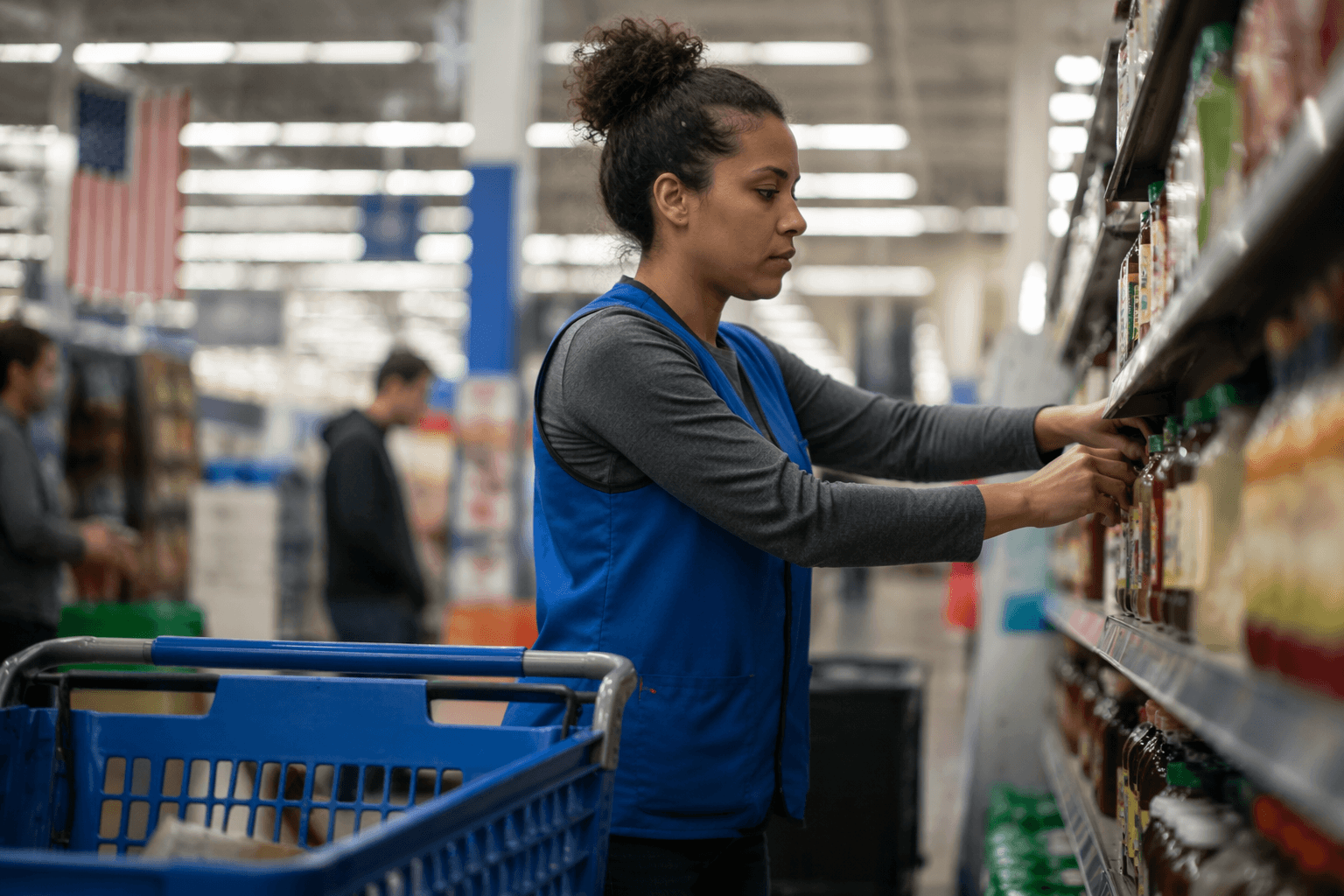
For Walmart associates, the important part is not the headline gloom. It is the mix of businesses that gets squeezed when shoppers get cautious. Essential goods tend to hold up better than discretionary purchases, so a weak retail market does not hit every department equally. That creates a store-level split that workers can feel in scheduling, workload, and the kind of labor managers protect first.
Why Walmart is still in the stronger lane
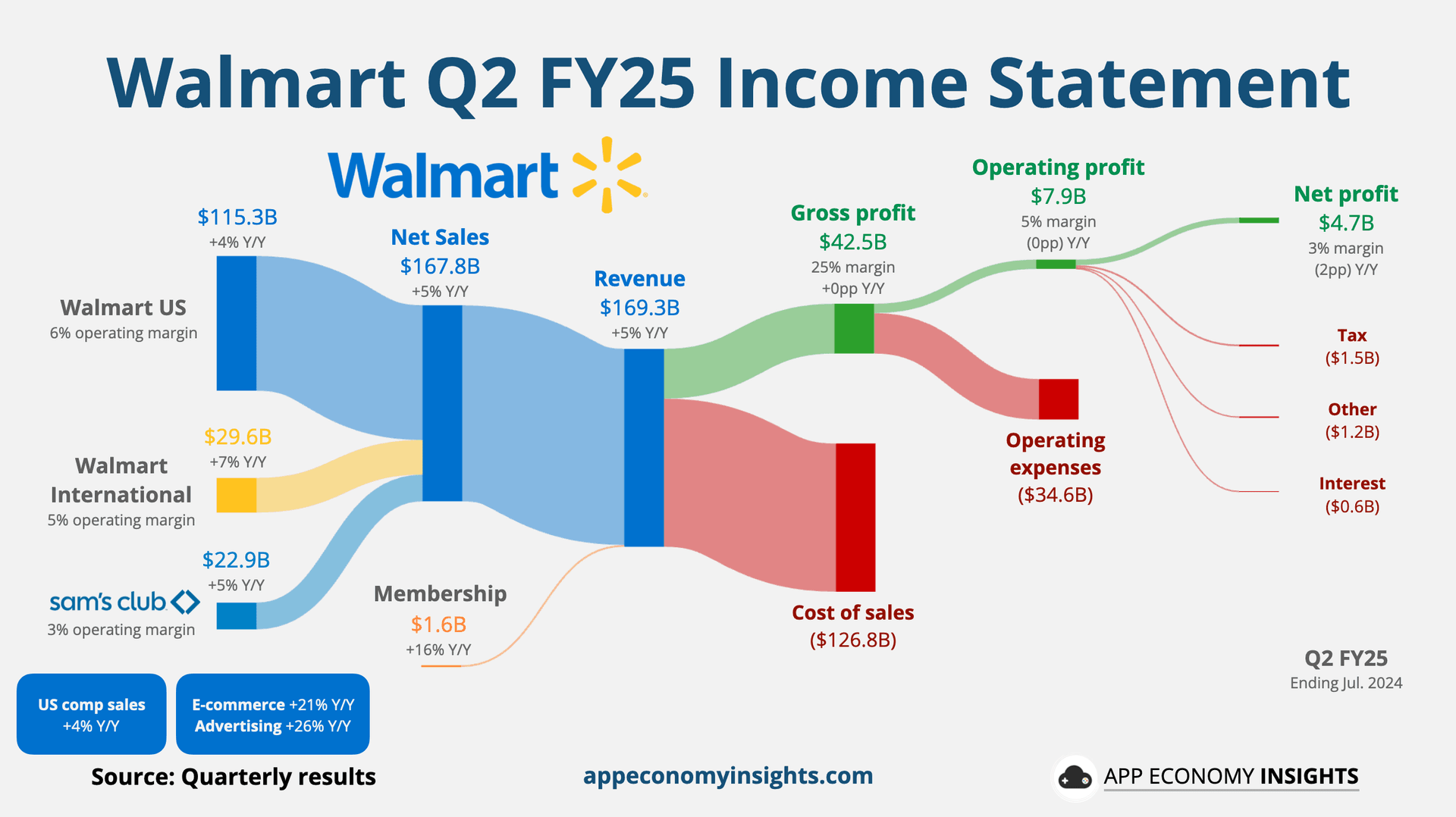
Walmart is built for exactly this kind of market. The company says it serves about 270 million customers and members each week, operates more than 10,750 stores and numerous eCommerce sites in 19 countries, and employed about 2.1 million associates worldwide in fiscal 2025. It also reported $681 billion in revenue for the year, with global eCommerce growth of 20.8 percent in its latest annual report materials. That scale matters because it gives Walmart a broader base of trips, baskets, and repeat traffic than more discretionary chains can count on.

The company’s most recent quarterly results point in the same direction. Walmart U.S. comp sales rose 4.5 percent in fiscal first quarter 2026, with strength in health and wellness and grocery, and management said transaction counts and unit volumes were up. Market share gains and solid inventory levels helped support the quarter. In practical terms, that is the kind of data that gives store leaders more confidence to keep labor in place when the market is shaky, especially in departments where traffic is steady and demand is recurring.
What this means for hours, schedules, and daily work
The clearest worker takeaway is that a tough consumer environment does not automatically mean weaker Walmart traffic. In many cases, the opposite is true: when shoppers trade down or stick to essentials, Walmart can gain share from chains that depend more heavily on apparel, footwear, seasonal goods, and other discretionary items. That can translate into steadier hours in grocery, health and wellness, and other high-velocity departments, where sales are more resilient and managers are more likely to protect coverage.
The flip side is just as important. Apparel, seasonal, and other nonessential areas are more exposed when discretionary spending softens, and those departments are also where tariffs and margin pressure can show up fastest. Associates may see more markdown work, tighter inventory control, and more frequent flex help requests when teams need to react quickly to traffic swings. If a department lives and dies by foot traffic, the staffing plan tends to become more fragile when the consumer gets picky.
That is why store execution matters so much in this environment. Walmart can benefit from bargain-hunting shoppers only if shelves stay full, pricing is clear, and service is fast enough to win the trip. For hourly workers, the difference between a good quarter and a messy one often comes down to whether the store can keep replenishment moving, keep top-selling items in stock, and avoid the kind of missing-product problems that send shoppers elsewhere.
Where internal mobility is likely to matter most
When the market favors value and essentials, the most useful openings are often not the flashiest ones. Internal mobility can become more important in inventory, replenishment, digital fulfillment, and departments tied to frequent trips, because those are the jobs that keep traffic translating into sales. If Walmart keeps gaining share, store managers may be more willing to shift labor into the areas that support core demand rather than spreading it evenly across every department.
That does not mean every associate will feel the benefit the same way. Workers in higher-volume areas may see more stable schedules and more opportunities to pick up shifts, while associates in lower-demand categories may face more pressure to cover markdowns, zone more aggressively, or move between departments. The strongest signal to watch is not corporate optimism. It is whether your store starts staffing for demand instead of constantly reacting to it.
Why Costco is a useful comparison
Costco gives a helpful read on the broader value shopper. The company reported fiscal first quarter 2026 net sales of $65.98 billion, up 8.2 percent from a year earlier, and fiscal second quarter 2026 net sales of $68.24 billion, up 9.1 percent. Its worldwide member renewal rate reached 89.8 percent at the end of 2025, with 92.3 percent in the U.S. and Canada, which shows just how loyal shoppers can be when they feel they are getting a real deal.
That comparison matters because it shows the current market is not hostile to value chains. It is hostile to weak positioning. Chains that can combine low prices, broad assortment, and repeat traffic are still capturing demand, while more discretionary retailers are carrying the heavier burden of soft demand and tariff pressure. Walmart sits much closer to the first group than the second, which is why the outlook for associates is more about uneven strength than broad weakness.
What workers should watch next
The next signals are likely to show up in ordinary store life, not in investor slides. Watch for which departments keep getting hours, where managers ask for flex help, and whether hiring stays concentrated in high-traffic, essential categories. Watch inventory too, because strong sales only help associates if stores can keep enough product on hand to support them.
Moody’s negative outlook says the retail backdrop is still rough. Walmart’s scale, eCommerce growth, and strong essential-goods performance suggest it is better insulated than many rivals. For associates, that should mean steadier work in the parts of the store that shoppers cannot skip, even if the discretionary side of the business stays choppier than usual.
This article was produced by Prism’s automated news system from verified source data, official records, and press releases, then run through automated quality and moderation checks before publishing. The system is built and supervised by the people who set the standards it runs under. Read our full AI policy.
Did this article answer your question?