OpenAI Partnerships Push Agentic Commerce, Reshape Walmart Workflows
On Nov. 24, 2025, a wave of expanded OpenAI integrations with retailers including Target and Walmart highlighted a shift toward agentic commerce, where AI can plan, curate and complete purchases for customers. The move promises faster customer flows and productivity gains, but it also raises training, scheduling and operational risks that will affect frontline associates and corporate staff.

OpenAI’s expanded merchant integrations announced on Nov. 24 accelerated a trend toward what industry observers call agentic commerce, systems that not only recommend products but can carry out transactions on behalf of customers. Retail-facing changes include conversational purchase flows and, in some cases, single step checkouts that compress the steps customers take to buy and arrange delivery. For Walmart employees the consequences could be immediate at both stores and in corporate operations.
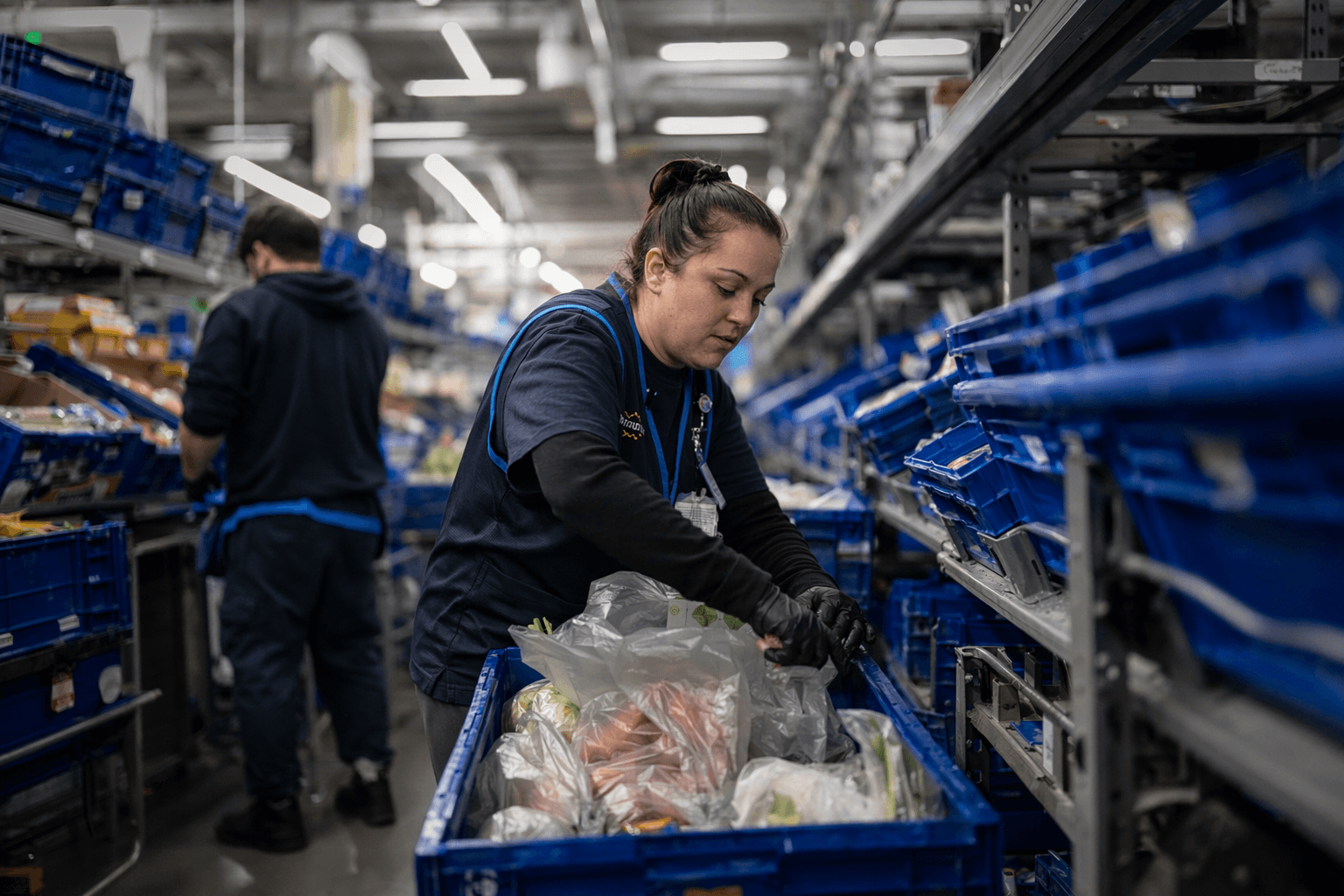
Retailers are embedding AI into customer touch points and internal tools. On the consumer side, faster checkouts, automated order assembly instructions and AI driven pickup scheduling will alter how stores accept orders, stage customer pickups and route last mile deliveries. Behind the scenes, companies are deploying agent tools for price matching, returns processing and inventory guidance. Manager and staff support tools labeled agent assist aim to accelerate routine administrative tasks and customer service interactions.
Those operational gains come with workforce implications. Employers will need to retrain frontline associates to operate AI assisted systems, update customer service scripts to reflect conversational commerce, and alter scheduling as tasks shift from manual coordination to supervising AI workflows. Large scale training pilots, including OpenAI’s Jobs and Certification efforts, point to a future in which certifications and targeted upskilling become central to retailers workforce strategy.
Risks and tradeoffs are also emerging. Incorrect AI guidance can create customer friction and additional work for store teams. Dependence on third party models introduces new vendor management demands and potential outages that affect store operations. Labor dynamics may shift regionally as fewer local hires are required for certain coordination roles, while demand grows for staff who maintain and monitor AI systems.
For Walmart managers and associates, the practical tasks will be concrete. Training programs will need to cover scheduling changes, new pickup workflows and troubleshooting AI recommendations. Corporate teams will face decisions about certification paths, headcount allocation and operational guardrails. How quickly retailers translate agentic commerce experiments into reliable, monitorable tools will determine whether the technology improves day to day work for associates, or simply transfers complexity to a new set of roles.
Know something we missed? Have a correction or additional information?
Submit a Tip