Practical Organizing Guide for Walmart and Retail Workers
This article lays out step by step organizing basics tailored to retail employees, including Walmart associates and fulfillment and warehouse teams, to help workers understand rights and plan safe union action. It explains how to build support, navigate the NLRB process or seek voluntary recognition, prepare to bargain a first contract, and guard against employer interference.
Retail workers frequently confront recurring problems with scheduling, staffing, workplace safety and benefits that prompt interest in collective action. This guide outlines practical steps employees can take, legal protections they can invoke, and tactics suited to shift based, big box and warehouse environments.
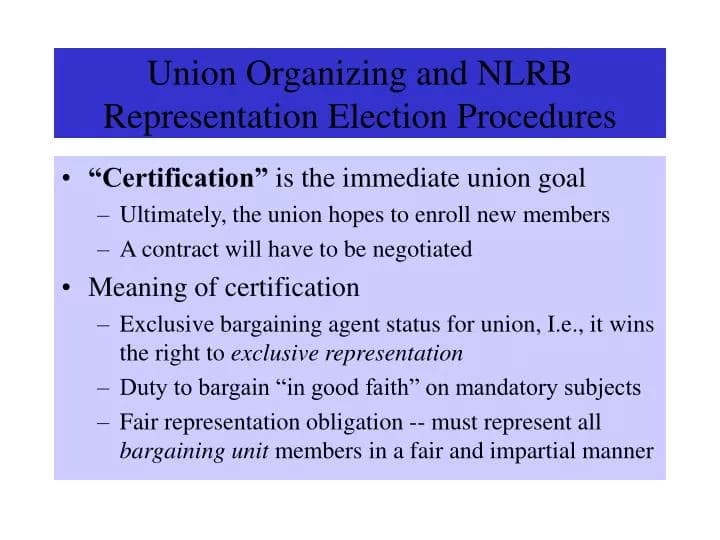
Begin by talking with coworkers to identify shared priorities and establish an organizing committee that reflects different shifts and job classifications. Committees coordinate outreach, schedule confidential conversations, and set goals. Collecting signed authorization cards that indicate majority support is a key early step. If a majority of workers sign cards, the group can ask the employer for voluntary recognition or file a representation petition with the National Labor Relations Board to trigger a binding representation election.
The NLRB process typically begins when a petition is filed and the board reviews unit definitions and voter eligibility before scheduling an election. Voluntary recognition can shorten the timeline if the employer accepts demonstrable majority support. Preparing to bargain a first contract requires electing a bargaining committee, compiling worker priorities, and arranging training on collective bargaining fundamentals.
Retail organizing faces common employer resistance. Employers often deploy messaging aimed at discouraging support. Workers are protected by the National Labor Relations Act for concerted activity, and unlawful actions can be reported to the NLRB. Keep outreach confidential when necessary, document any threats or retaliation, and preserve evidence such as written communications and witness names to support potential unfair labor practice charges.

Tactical recommendations for retail settings include shift based outreach to reach employees working nonstandard hours, using break rooms and parking lots for off clock conversations when permitted, and maintaining rotating meeting locations to protect privacy. Building relationships with union organizers or regional labor councils can provide training, legal guidance and logistical support.
Organizing alters workplace dynamics by creating both solidarity and tension with management. Clear communication, legal awareness and careful planning help protect individual workers while advancing collective goals. For employees weighing this path, understanding the procedural steps and legal protections is essential to moving from workplace complaints to a negotiated agreement.
Know something we missed? Have a correction or additional information?
Submit a Tip