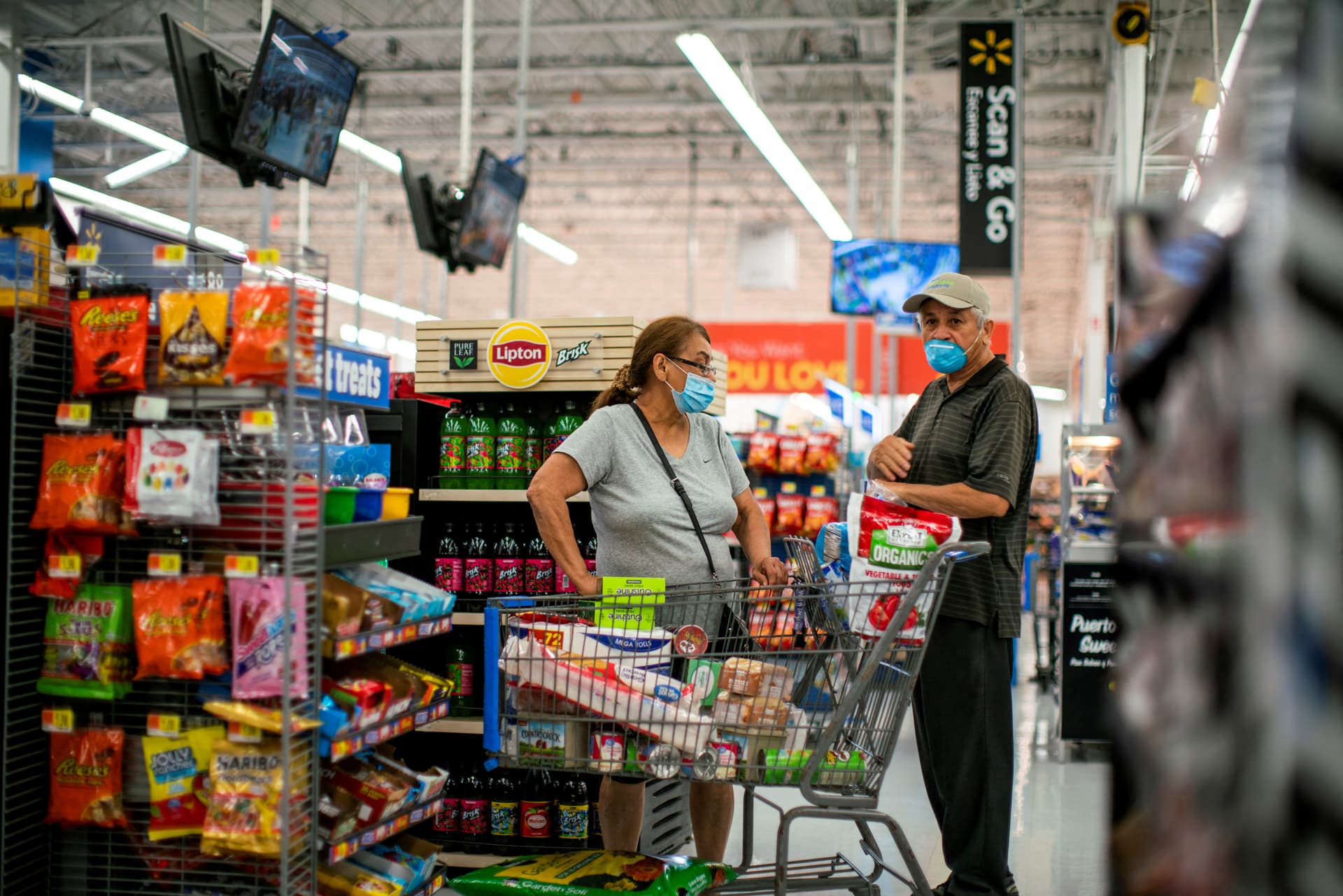
Prime Day shows Walmart shoppers prioritizing groceries and basics
Prime Day’s bargain hunt shifted to groceries, paper goods and school supplies, signaling heavier pressure on Walmart shelves, checkout lines and pickup volume.
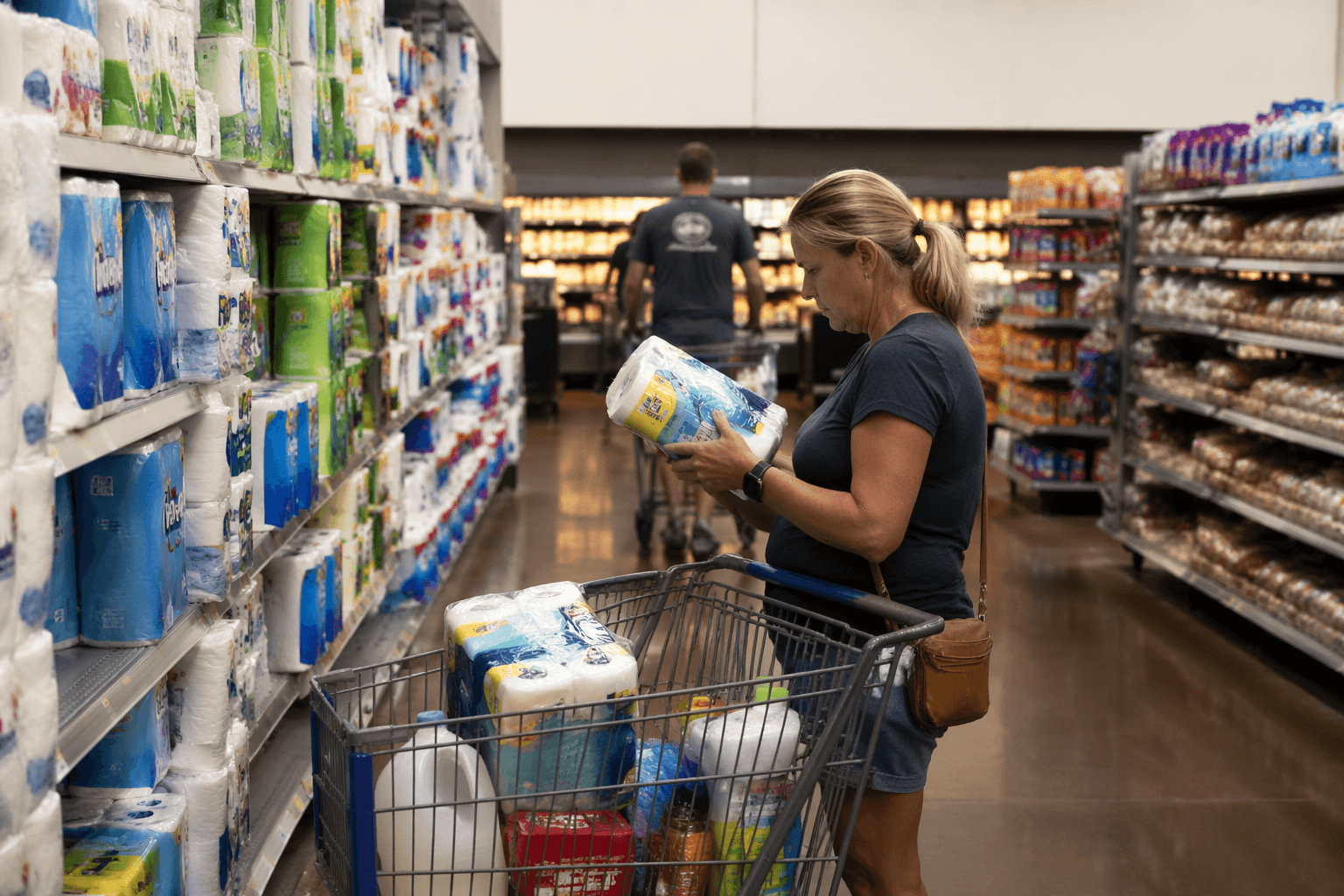
Prime Day 2026 pushed shoppers toward groceries, paper goods and back-to-school buys, not big-ticket splurges, and that is the kind of pressure Walmart store teams feel first. The four-day sale ran from June 23 to June 26, and the basket mix pointed to customers hunting value on items they already needed. For hourly associates and department managers, that means more traffic in essentials aisles, tighter shelf execution and more strain on checkout and pickup when shoppers only buy if the markdown is steep.
Amazon moved the event out of July in part because the calendar was crowded by the FIFA World Cup and the 250th anniversary of U.S. independence. The earlier timing also gave it a shot at summer travel spending, July Fourth stock-ups and back-to-school shopping. The sale leaned heavily toward practical purchases instead of impulse buys.
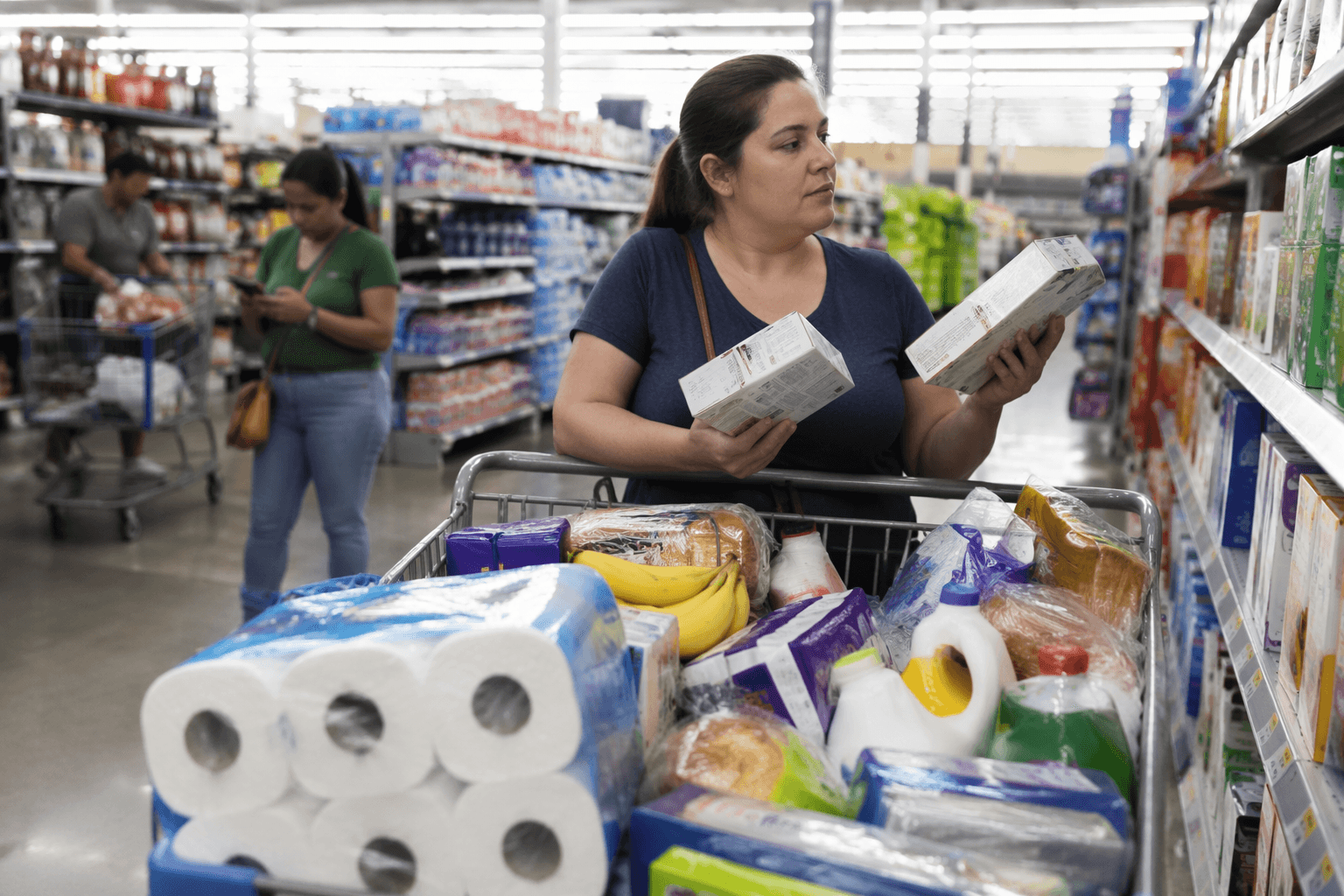
Inflation and higher gas prices have already pushed lower- and middle-income shoppers to pull back from bigger-ticket items, while Walmart’s own latest earnings update showed grocery and general merchandise driving U.S. market-share gains. Walmart said those gains were led by upper-income households, a sign that even more affluent shoppers are using the chain for everyday baskets, not just one-off trips.
In its first-quarter fiscal 2027 update, Walmart said store-fulfilled delivery had more than doubled over the past two years, and more than 36% of those orders were delivered in under three hours. That kind of speed puts extra pressure on store teams to keep inventory accurate, staging areas clear and picking paths efficient, especially when customers are loading up on household basics and perishable groceries. Prime Day pushes more shoppers to compare prices aggressively, increasing demand on the departments where low prices and clean shelf presentation are easiest to see.
In fiscal 2026, Walmart reported 4.6% U.S. comparable sales growth, 24% global eCommerce growth and full-year revenue of $713.2 billion. Walmart says it serves about 270 million customers and members each week across more than 10,750 stores and eCommerce sites in 19 countries.
Walmart CFO John David Rainey said higher tax returns had muted some of the impact of higher gas prices in the first quarter, but that shoppers could feel more strain in the second quarter as refunds fade.
This article was produced by Prism’s automated news system from verified source data, official records, and press releases, then run through automated quality and moderation checks before publishing. The system is built and supervised by the people who set the standards it runs under. Read our full AI policy.
Know something we missed? Have a correction or additional information?
Submit a Tip