Reddit Thread Spotlights Body-Worn Camera Pilots, Walmart Workers Raise Privacy Concerns
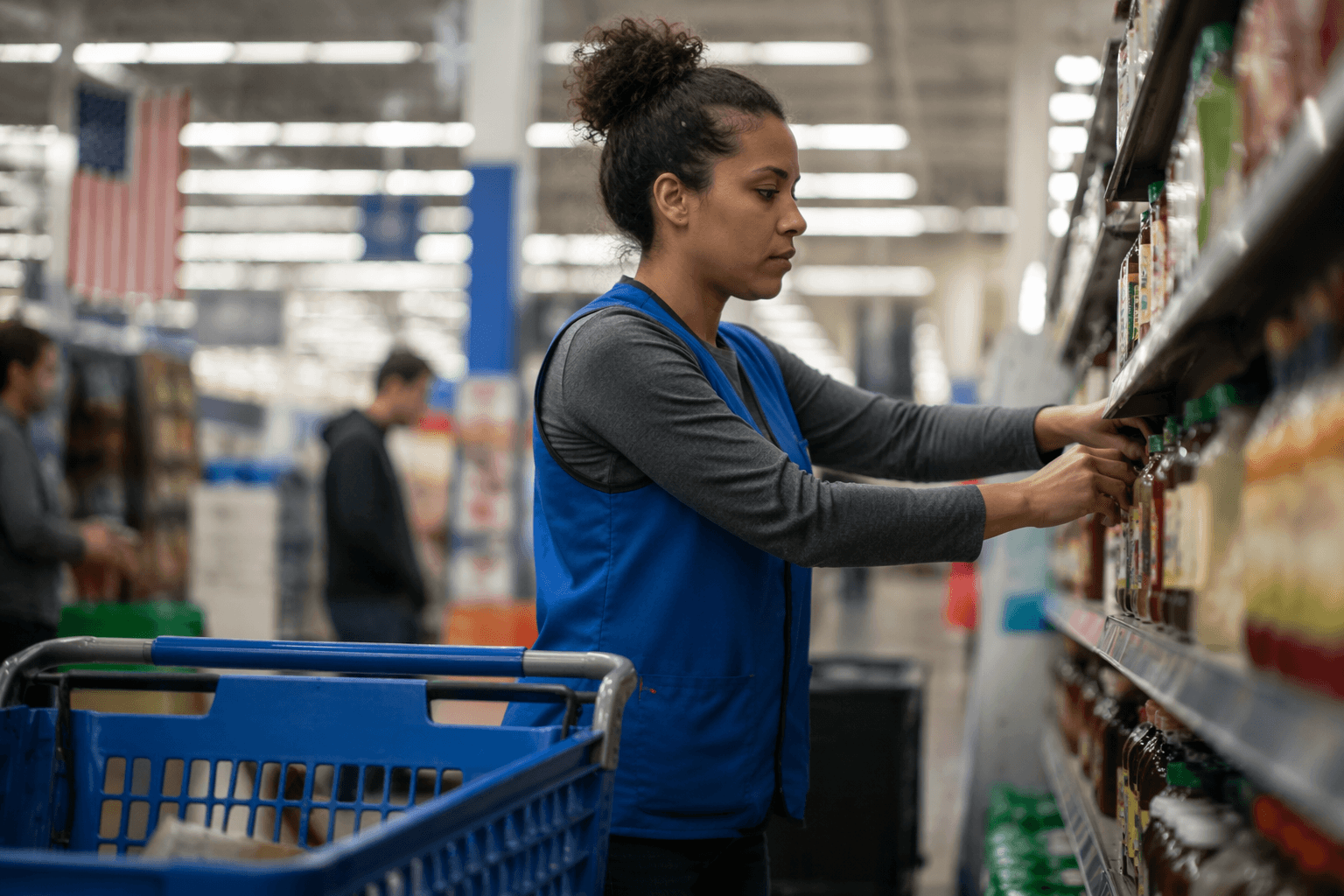
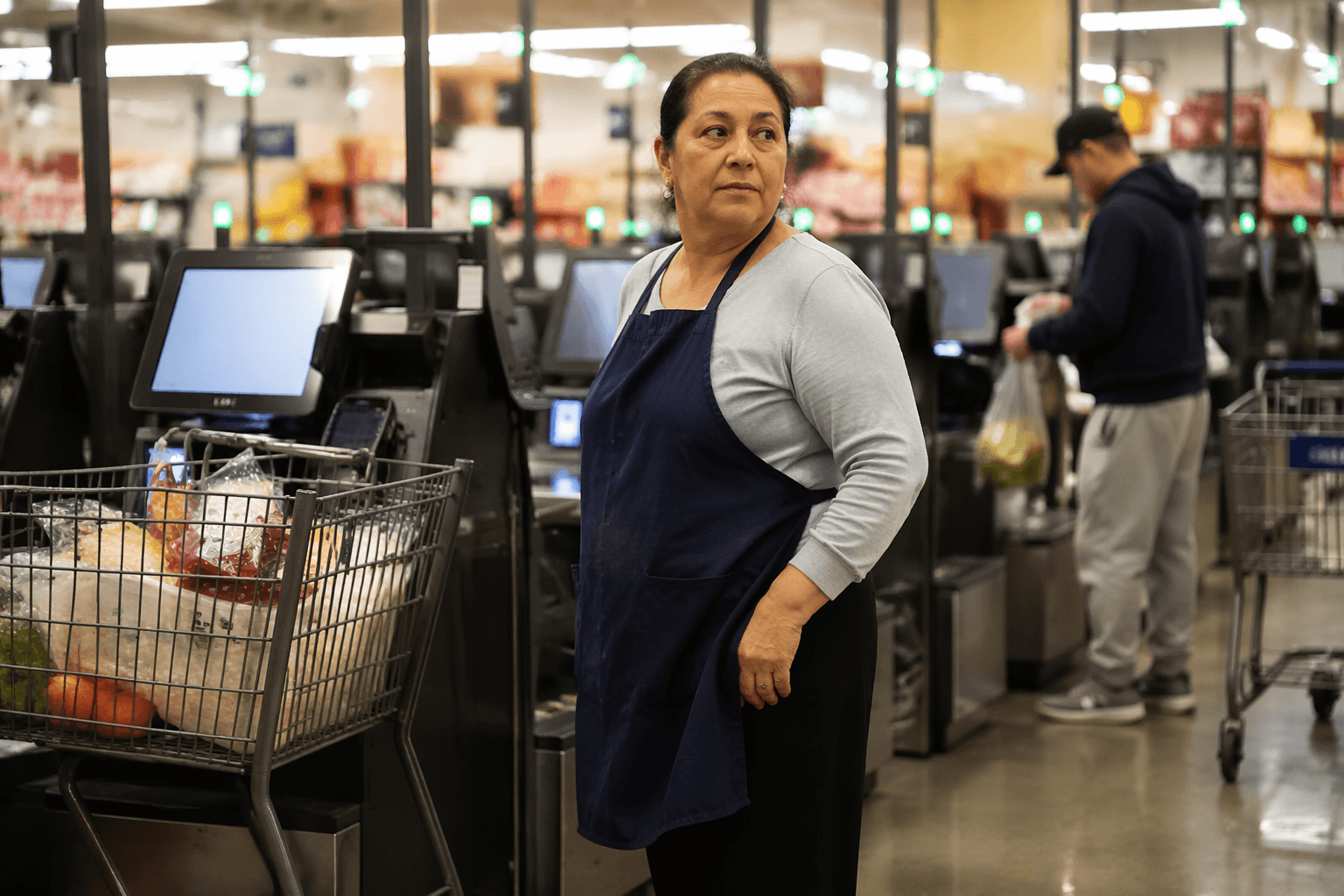
A widely viewed Reddit thread reported customers and employees spotting body-worn cameras at checkout points, raising worker concerns about privacy, audio recording, and who can access footage.
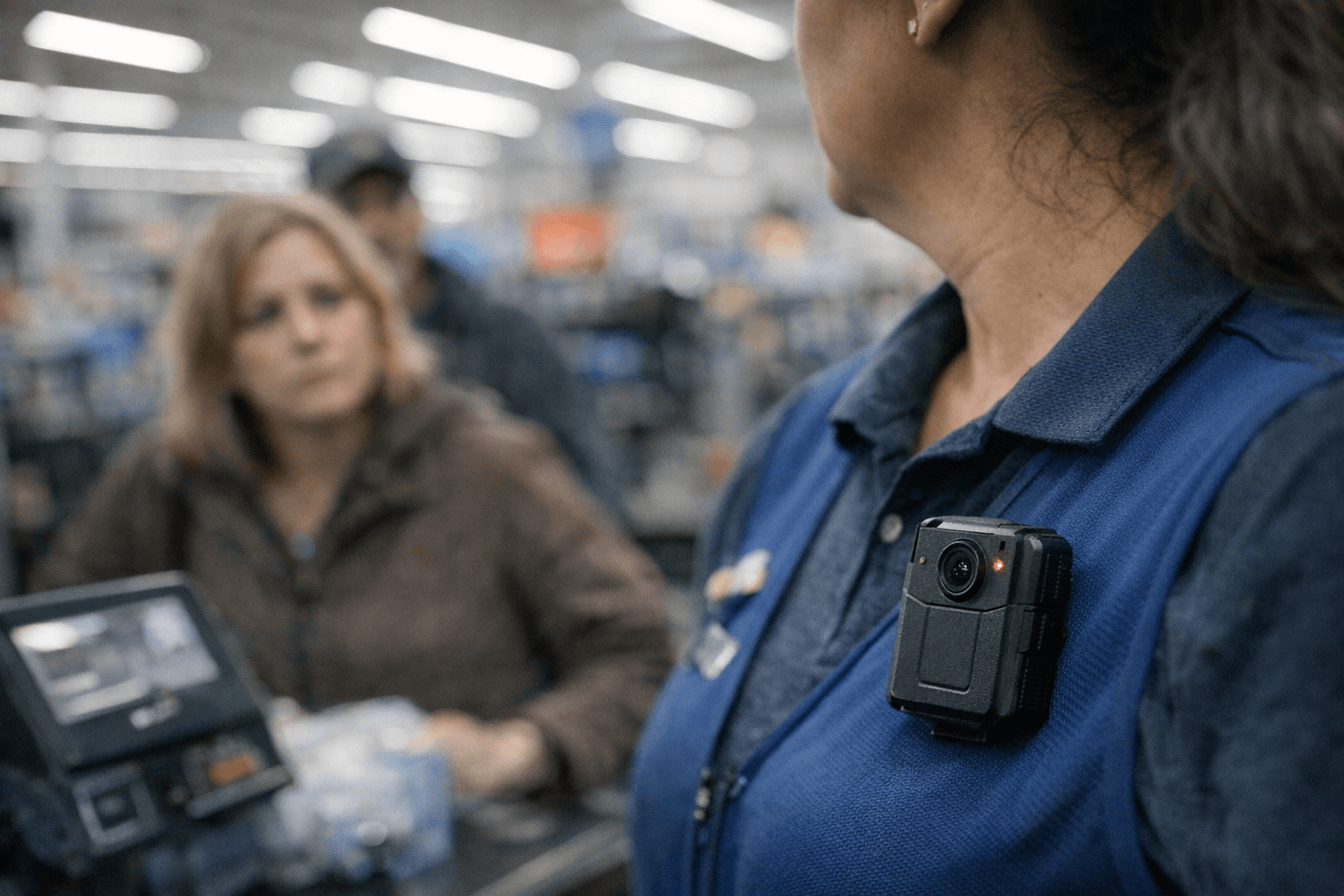
A Reddit thread that surfaced Jan. 21, 2026 prompted store-floor chatter after shoppers and frontline workers reported seeing body-worn cameras mounted at checkout points. Although the post originated in a Walgreens forum, multiple commenters said similar devices were being piloted across large retail chains, including Walmart in some markets, and described how the cameras were intended to be used and activated.
Commenters on the thread described the devices as worn or placed at registers and manually activated during threatening interactions. Workers shared early, on-the-ground details about training, activation procedures, and limited rollout locations. Many posts pushed back on the implication that more cameras automatically mean safer shifts, instead centering questions about privacy, audio recording in break rooms, and who could view stored footage.
For Walmart associates, the discussion touches on three workplace fault lines: safety, surveillance, and trust. Body-worn or register-mounted cameras are often framed as tools to deter theft and document assaults, but employees in the thread expressed worry that constant or poorly defined recording could chill interactions with customers, expose private conversations among staff, and create new channels of oversight without clear access controls. The absence of explicit information in the thread about how long footage is retained, who has viewing rights, and whether audio is captured left workers uncertain about daily realities on the floor.
Retail employers have experimented with camera pilots for years in high-loss or high-risk locations, and pilots can vary widely by market. The thread provided a snapshot of early implementation notes from people on the floor: rollout limited to certain stores, activation by staff during incidents rather than continuous recording, and mixed communication from managers about policies. Those details suggest pilots are at an exploratory stage rather than companywide mandates, but the presence of cameras in multiple chains signals a broader industry trend toward expanded video and audio monitoring.
The dynamic matters for workplace culture. Surveillance can reduce some risk exposures, but it can also alter power balances between hourly associates and management. If associates do not know policies or lack clear channels to contest footage or privacy violations, frustration can grow and affect morale. The conversation in the Reddit thread also flagged potential labor relations friction, with employees debating whether recordings could be used in disciplinary actions or to resolve disputes.
Employees worried about these pilot programs should seek clarity from local management and review store-level policy documents or the employee handbook for guidance on recording, retention, and access. Human resources and store leadership will be central to explaining pilot scope and protections. As pilots evolve, workers and managers will be watching whether clear, consistent rules emerge that balance safety gains with protections for privacy and workplace trust.
This article was produced by Prism’s automated news system from verified source data, official records, and press releases, then run through automated quality and moderation checks before publishing. The system is built and supervised by the people who set the standards it runs under. Read our full AI policy.
Did this article answer your question?