Sam’s Club spotlights suppliers, linking craftsmanship to member value
Sam’s Club is using supplier stories to signal how products get chosen, priced and shown on the floor, from rice in the Arkansas Delta to truffles in Utah.

Sam’s Club is turning the spotlight on suppliers at a moment when the club floor depends on more than shelf-stocking and scan rates. Its April 29 story framed craftsmanship, heritage and community roots as part of the value members expect, a clue that the chain wants associates to think about assortment as a curated promise, not just a pile of commodities.
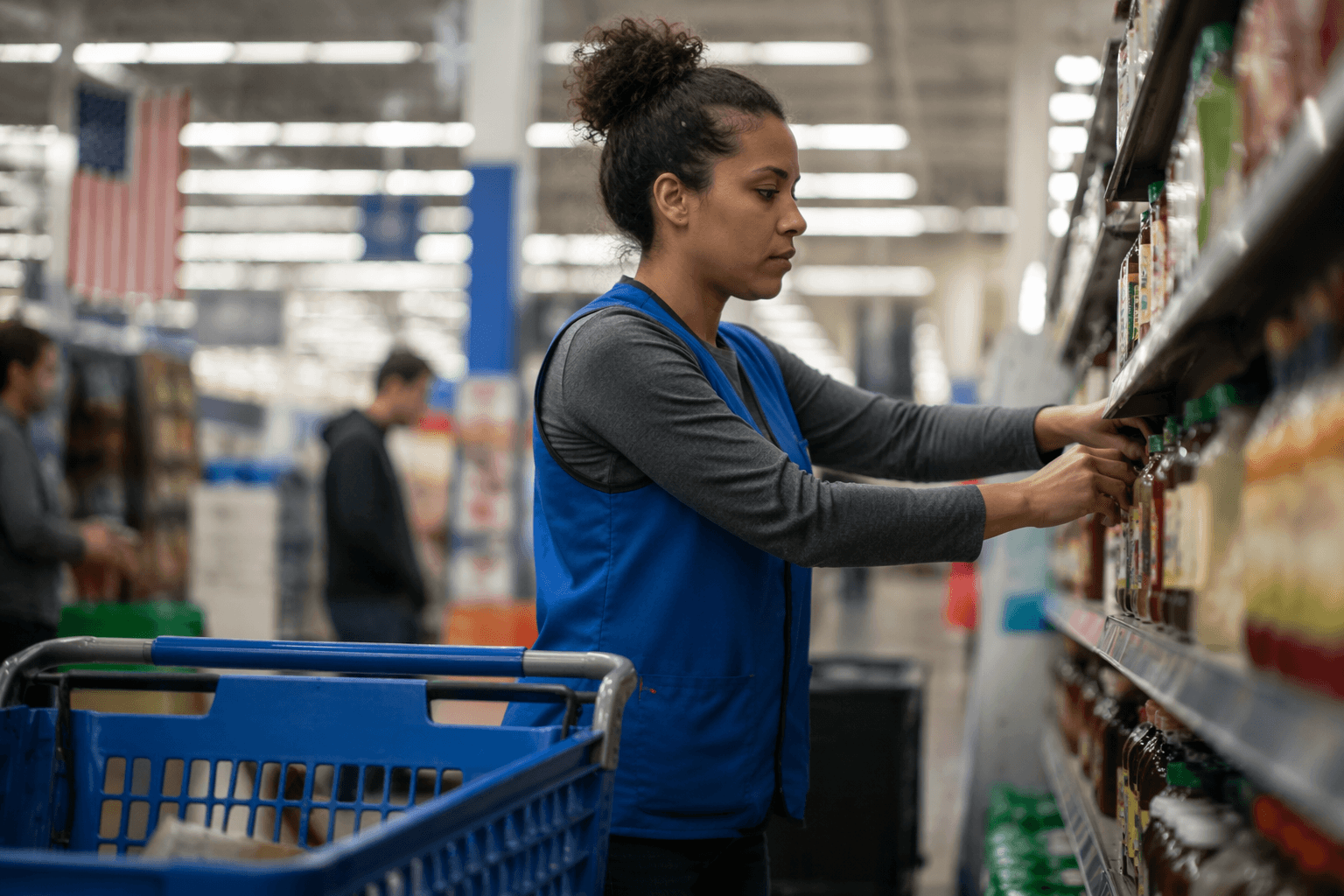
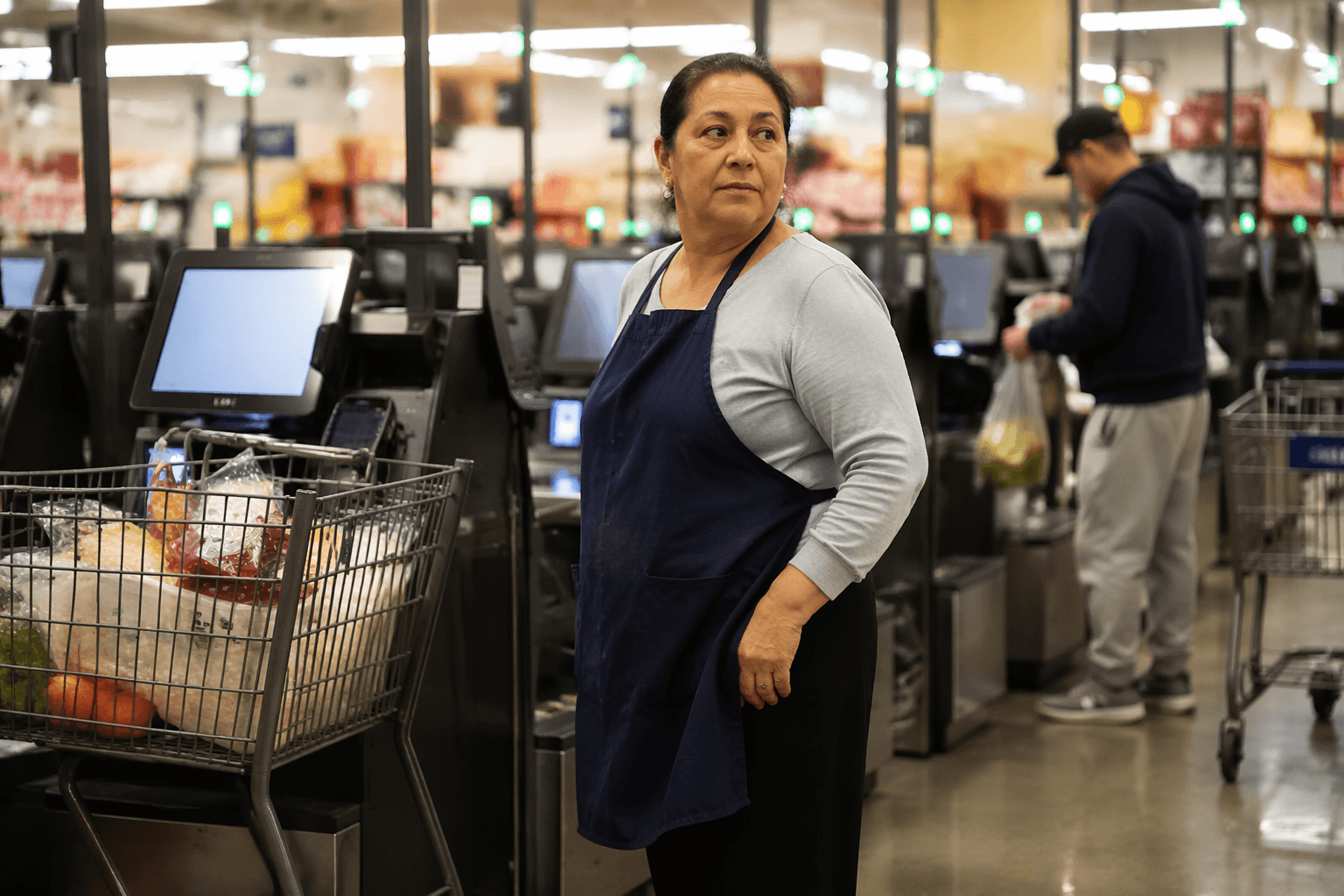
That matters in day-to-day club work because supplier storytelling shows up where members actually notice it: sample tables, seasonal endcaps, product demos, signage and the quick explanations associates give when a shopper asks why one item belongs in the building and another does not. For department managers and assistant managers, the message lands in zoning decisions, promotion callouts and how fresh or local products are presented during busy selling periods.
The company tied the effort to America’s 250th birthday and highlighted suppliers from Utah to Tennessee. Hill Seed Co. in the Arkansas Delta has been growing rice for nearly eight decades, while Lodge in South Pittsburg, Tennessee, has been part of kitchens and homes since 1896 and still employs fourth- and fifth-generation team members in a town of just over 3,000 people. CandyCo in Lindon, Utah, was also featured as the maker of Member’s Mark Seasonal Assorted Truffles. Those are not just supplier name-drops; they are the kind of origin stories that can change how an associate explains value on the floor.
Sam’s Club also linked the supplier push to its Member’s Mark Community, the group of highly engaged members that helps shape what reaches clubs. In June 2024, the company said that community had 50,000 actively participating consumers, and its community page says the program is open to all Sam’s Club members. That gives the supplier strategy another layer: the product mix is not only curated by merchants, but also tested and voted on by members before items hit clubs.

The broader Walmart strategy helps explain the timing. Walmart says its annual Open Call connects entrepreneurs directly with Walmart and Sam’s Club merchants, and 100-plus entrepreneurs won golden tickets at the 2025 event. Walmart has also committed to $350 billion in products made, grown or assembled in the U.S. by 2030, with cumulative U.S. spend up an additional $176 billion by the end of last year and about two-thirds of Walmart U.S. product spend sourced domestically. Sam’s Club’s supplier page says access to working capital remains one of the biggest challenges to growth, a reminder that supplier pride sits alongside real cash-flow pressure.
For club teams, the signal is clear: supplier stories are not window dressing. They are part of how Sam’s Club wants members to understand value, and part of how associates are expected to explain why a product is on the floor in the first place.
This article was produced by Prism’s automated news system from verified source data, official records, and press releases, then run through automated quality and moderation checks before publishing. The system is built and supervised by the people who set the standards it runs under. Read our full AI policy.
Did this article answer your question?